

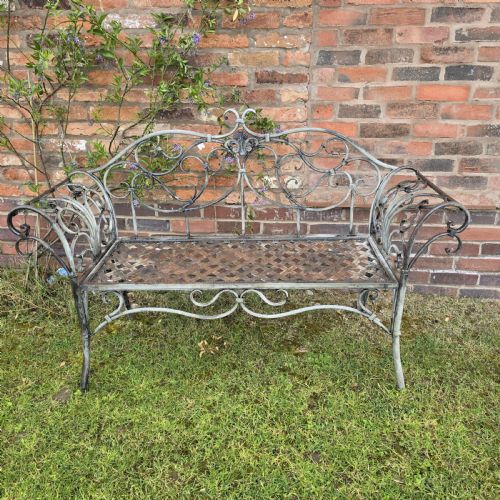


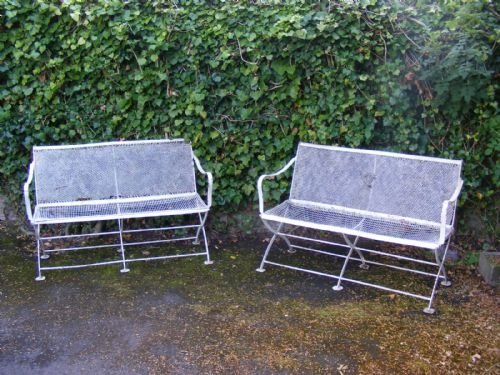
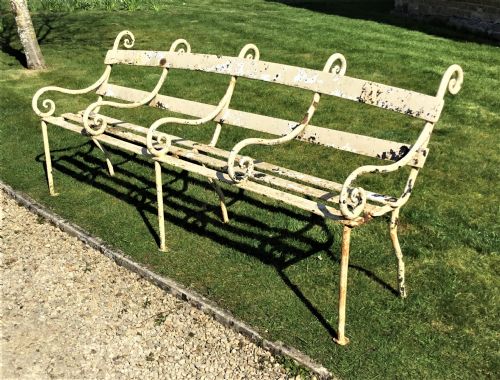

Painted Wrought Iron Seat
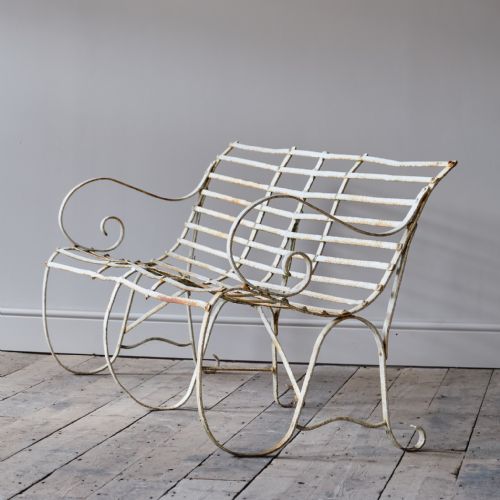
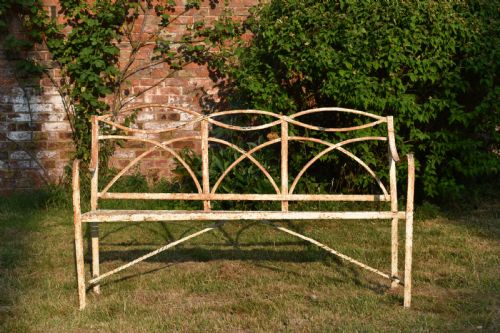
These painted wrought iron seat designs bring durable outdoor seating to gardens, spanning periods from Regency to the 1930s with distinctive strapwork and scroll forms.
Painted Wrought Iron Seat
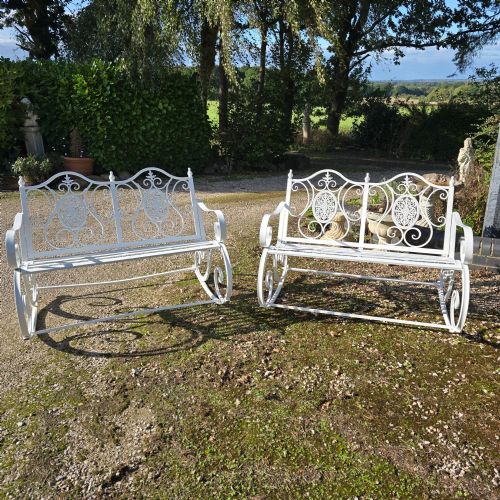
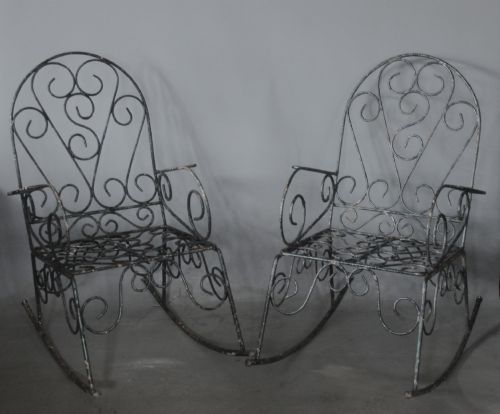
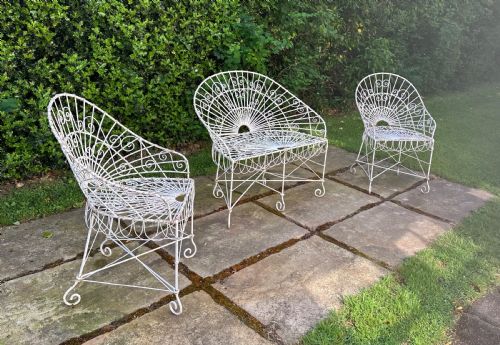
A painted wrought iron seat provides sturdy outdoor furniture for gardens, terraces, and conservatories. When searching for a painted wrought iron seat, buyers encounter various forms such as benches, armchairs, rocking chairs, and complete garden dining sets.
The selections on this page range from nineteenth-century pieces to twentieth-century examples, including Regency, Victorian, Edwardian, and Gothic styles. French Country and French Riviera designs also appear alongside traditional English forms.
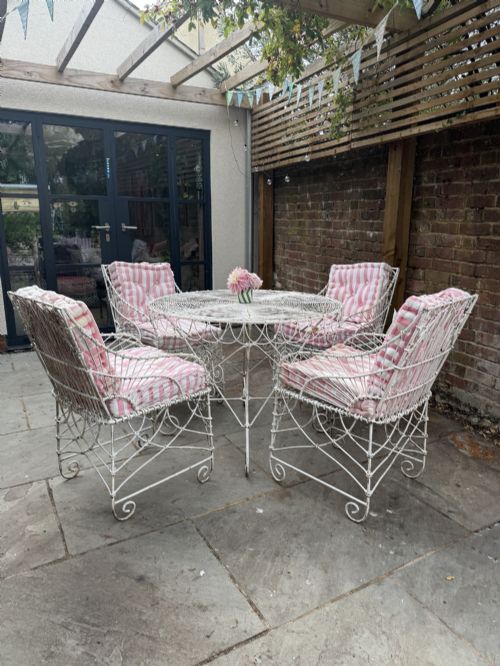
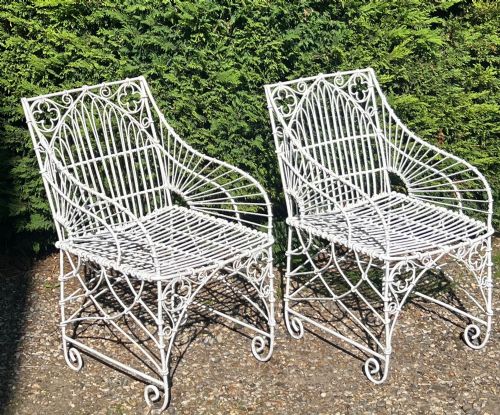
Forms vary from single garden chairs and pairs of armchairs to large four-seater benches, arbours, and coordinated garden sets with matching tables. Many pieces integrate structural metalwork with decorative scrollwork or strapwork details.
How They Were Made
Blacksmiths and metalworkers shaped wrought iron through heating and hammering to create durable frames, scrollwork, and strapwork. Wirework was also utilised for intricate garden arbours and seating elements.
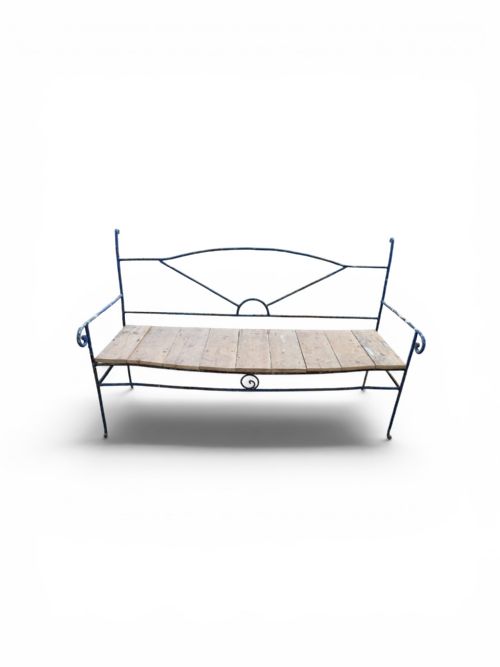
Surface finishes typically involve layers of applied paint to protect the metal from outdoor elements. Some pieces incorporate secondary materials such as wood, fabric, and leather elements within their construction.
Painted Wrought Iron Seat Retail Price Guide 2026
Typical asking prices for painted wrought iron seat among the pieces listed under this phrase on Sellingantiques today, from the lower quarter to the upper quarter. They describe what is for sale here now, not the wider market.
Listings feature periods spanning from the Regency era through the 1940s, utilising wrought iron, wirework, paint, wood, and leather.
What Varies in Quality
The sophistication of the metalwork defines the distinction between standard production and finer examples. Delicately forged strapwork, complex scroll patterns, and well-balanced proportions indicate superior craftsmanship.
The condition and retention of original painted surfaces significantly influence the character of each piece. Surviving layers of early or original paint add historical depth to the metal structure.
The Painted Wrought Iron Seat Glossary
- Wrought iron
- A tough, malleable form of iron that can be heated and hammered into decorative and structural shapes. It resists fatigue and corrosion better than cast iron.
- Strapwork
- A decorative motif composed of flat, interlaced bands resembling leather straps. It appears frequently on the backrests and seats of nineteenth-century garden benches.
- Wirework
- A technique using bent and interwoven wire to create lighter garden furniture and structures. This method produced delicate arbours, tables, and chairs during the Victorian era.
- Scrollwork
- Ornamental metalwork formed into spiral or curved scrolls. This detail adds structural rigidity and decorative elegance to iron armchairs and benches.
- Arbour
- A shaded garden alcove or seat enclosed by climbing plants and supported by a lattice or wirework frame. These structures provided sheltered seating in nineteenth-century gardens.
Painted Wrought Iron Seat: Frequently Asked Questions
How do I date a metal garden seat?
Dating relies on stylistic clues, construction methods, and material combinations observed across different eras. Regency and Victorian pieces often feature specific strapwork patterns, while twentieth-century examples introduce simpler tubular or folded constructions.
The presence of original paint layers and specific manufacturing marks can also help narrow down the period of production. Comparing the complexity of the scrollwork against known stylistic periods provides further chronological context.
Can these garden seats stay outside all year?
Wrought iron garden furniture is built for outdoor use, but prolonged exposure to moisture affects the protective paint layers. Regular maintenance helps preserve the metal beneath.
Moving pieces into a conservatory or shed during harsh winter months reduces weathering. Checking the paint surface periodically prevents rust from compromising the iron.
What is the difference between strapwork and wirework?
Strapwork utilises flat bands of wrought iron riveted or welded into geometric or scrolling patterns. It provides a rigid, substantial frame for benches and chairs.
Wirework employs thinner gauges of metal woven together to create lighter, more porous structures. This technique was popular for Victorian garden arbours and occasional tables.
Are French garden seats different from English ones?
French garden seats often reflect regional aesthetics such as French Country or Riviera styles. These frequently include folding chair mechanisms and lighter proportions suited to terrace dining.
English pieces tend to follow Regency, Victorian, or Gothic Revival traditions with heavier frames and architectural detailing. Both traditions utilise durable wrought iron construction.