



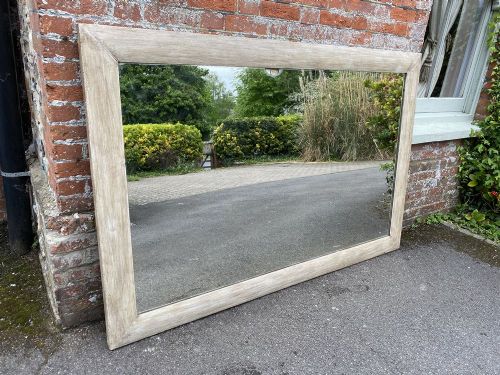


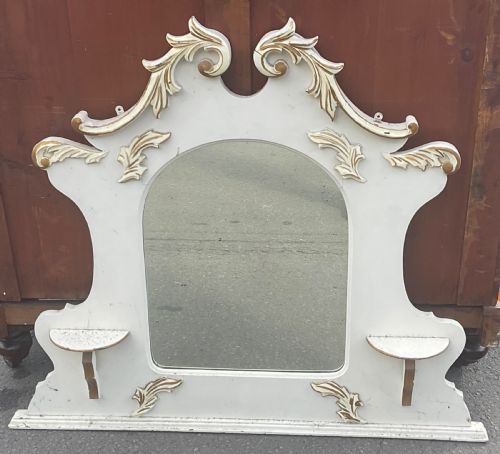


Painted Wooden Mantel
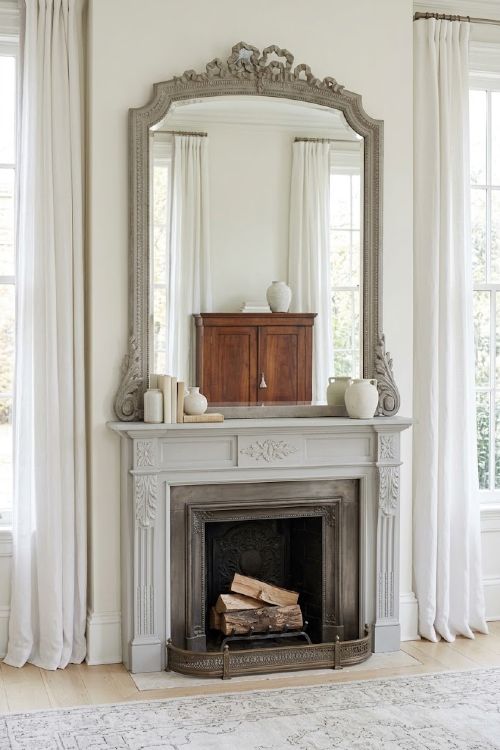
These painted wooden mantel pieces are decorative mirrors and objects designed to anchor a room, offering the charm of period craftsmanship and colour.
Painted Wooden Mantel
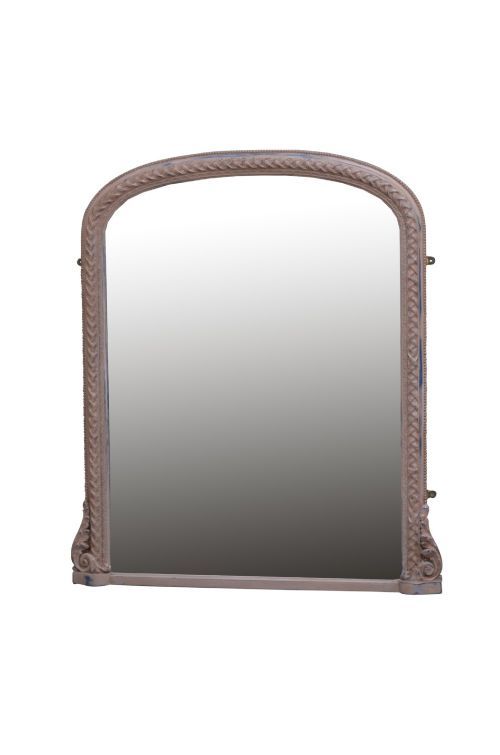
When searching for a painted wooden mantel, buyers encounter a selection dominated by large overmantel mirrors and wall mirrors spanning the nineteenth century and the Edwardian era. These pieces frequently draw upon French styles such as Louis XV, Rococo, and Louis XVI Revival, alongside Victorian and English designs.
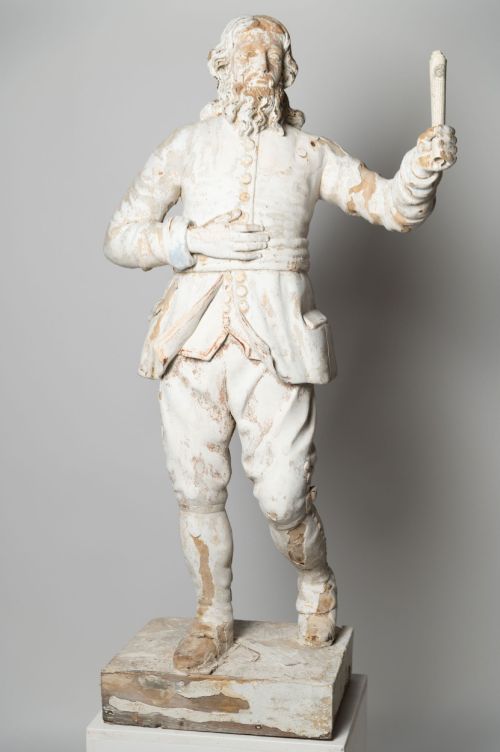
The dominant forms are large wall mirrors and overmantel mirrors designed to sit above a fireplace, supplemented by occasional mantel clocks and decorative figures. The typical piece combines carved timber with layered paint finishes, gesso, and sometimes gold leaf accents.
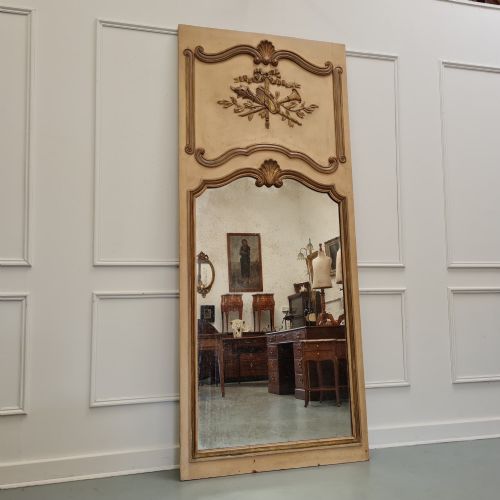
Originating largely from French and English workshops, these items serve as substantial interior focal points. The selection ranges from architectural arched top mirrors to classical trumeau panels and carved console table mirrors.
What varies in quality
The quality of a painted wooden mantel lies in the depth and precision of the underlying wood carving rather than the surface decoration alone. Superior examples display crisp, hand-chiselled detail in the timber and gesso work that maintains its definition beneath successive layers of historical paint.
The handling of the painted finish itself separates standard items from exceptional ones. Finer pieces demonstrate thoughtful layering and patination where the pigment ages harmoniously with the gesso and timber substrate.
Painted Wooden Mantel Retail Price Guide 2026
Typical asking prices for painted wooden mantel among the pieces listed under this phrase on Sellingantiques today, from the lower quarter to the upper quarter. They describe what is for sale here now, not the wider market.
The listings span from the mid-nineteenth century through the Edwardian period, incorporating materials like gesso, gold leaf, and painted timber.
The Painted Wooden Mantel Glossary
- Overmantel mirror
- A large mirror specifically proportioned to hang on the wall directly above a fireplace mantel. These pieces often feature wide frames designed to reflect light and balance the hearth below.
- Gesso
- A plaster-like mixture applied to wood surfaces to create a smooth base for gilding and painting. It allows carvers to achieve sharp, intricate relief details before applying colour.
- Trumeau
- A decorative wall mirror or panel featuring an upper painted scene or carving integrated with the glass below. Originating in French interiors, these architectural pieces dominate formal reception rooms.
- Louis Philippe
- A mid-nineteenth-century French style characterised by restrained curves and softer classical lines. Mirrors from this period usually feature a gentle rounded top arch and subtle moulding.
Painted Wooden Mantel: Frequently Asked Questions
Where should I place an overmantel mirror?
Traditionally hung above a fireplace mantel, these mirrors also function effectively on main living room walls to amplify natural light. Their generous proportions make them natural focal points in hallways or dining rooms.
Ensure the width of the mirror complements the furniture piece placed directly beneath it for visual balance.
How do I clean a painted wooden frame?
Dust the carved wooden surfaces gently with a dry, soft cloth to prevent particulate buildup. Avoid using liquid cleaners or abrasive cloths that can damage aged paint and gesso layers.
Preserve the historic finish by keeping the piece away from direct heat sources and excessive moisture.
How can I tell the period of a mirror?
Examine the construction methods visible on the reverse of the timber frame, along with the style of the carving and gesso work. Details such as French Rococo curves or Victorian ebonised finishes point towards specific decades.
Glass characteristics, including subtle bevels or historical imperfections, provide additional clues to the age of the piece.