



Painted Pottery Lamps
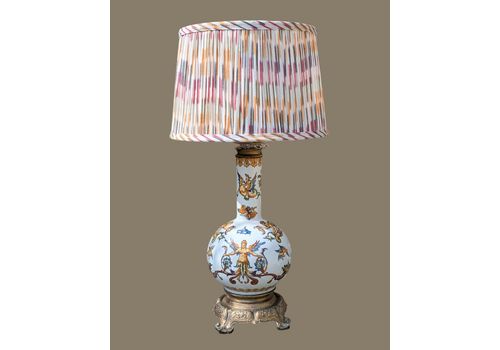
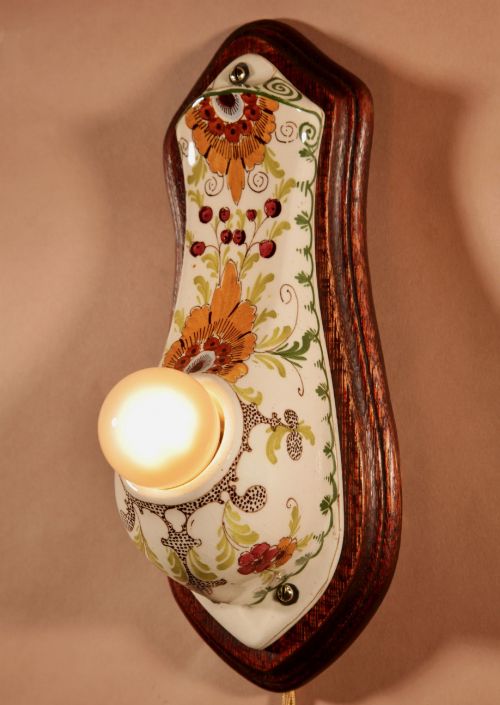
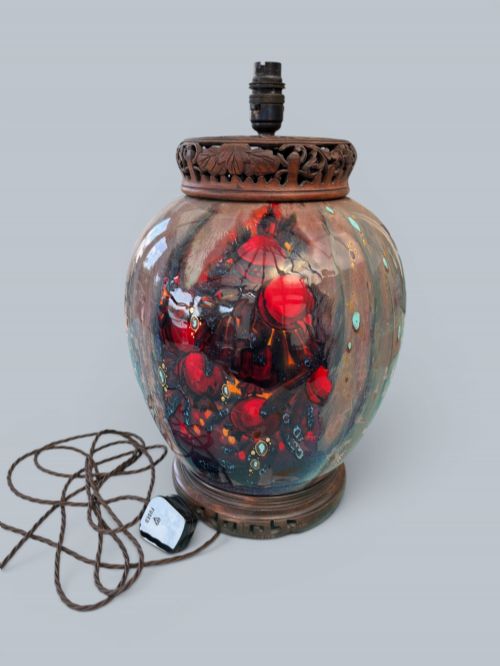
These painted pottery lamps bring hand-finished earthenware, porcelain and ceramic colour directly into your room as functional lighting.
Painted Pottery Lamps
Painted pottery lamps combine historical ceramic bodies with domestic lighting, taking forms such as table lamps and wall lights. When searching for painted pottery lamps, buyers encounter diverse decorative traditions ranging from Japanese Satsuma and Kutani to European Delftware, Majolica and Faience.
The selection here draws on pieces spanning the eighteenth century through to the art deco period of the 1930s. Many examples utilise converted vases, jars and night lights as their central ceramic components.
Victorian and revival styles sit alongside Japanese Meiji period imports and Chinese blue and white wares. The most commonly met versions on this page are nineteenth-century ceramic and porcelain vessels adapted for modern interiors.
Materials and construction
Makers utilised ceramic bodies including earthenware, porcelain and crackleware as the structural base for these lights. Surface decoration relies on hand-painted enamel and pigment applied beneath or above the glaze.
Metal fittings in brass, alongside wooden bases and fabric elements, complete the conversion from vessel to lamp. Enamelling techniques vary from the intricate gilding found on Japanese Satsuma wares to the bold blue pigments of Dutch Delft.
Painted Pottery Lamps Retail Price Guide 2026
Typical asking prices for painted pottery lamps among the pieces listed under this phrase on Sellingantiques today, from the lower quarter to the upper quarter. They describe what is for sale here now, not the wider market.
Listings feature earthenware, porcelain and ceramic bodies mounted with brass and wood, spanning the eighteenth century to the 1930s.
Assessing quality and execution
Quality rests primarily on the crispness of the hand-painted detail and the preservation of the ceramic glaze. Finer pieces demonstrate precision in brushwork and careful integration of the lamp hardware without damaging the original vessel.
The balance between the ceramic body and its mount dictates the visual stability of the piece. Superior examples maintain the integrity of the historic vase or jar while providing functional illumination.
Samuel Alcock·Moorcroft
The Painted Pottery Lamps Glossary
- Majolica
- A type of earthenware decorated with opaque coloured glazes, often featuring bright hues. This technique appears across nineteenth-century Italian and continental pieces.
- Satsuma
- Japanese pottery characterised by a crackled ivory glaze decorated with enamels and gilt. These wares were frequently exported and later converted into decorative lighting.
- Delftware
- Tin-glazed earthenware originating in the Netherlands, traditionally painted in blue or polychrome colours. Early examples often utilise antique vases as lamp bases.
- Faience
- European tin-glazed earthenware produced in various regional styles. It provides a smooth white surface suitable for detailed hand-painted designs.
- Kutani
- Japanese porcelain or pottery noted for its bold enamel palettes and pictorial scenes. These vessels often form striking large-scale table lamps.
Painted Pottery Lamps: Frequently Asked Questions
How do I clean a painted pottery lamp?
Dust the ceramic body gently with a dry, soft cloth to protect the hand-painted surface. Avoid liquid cleaners that might seep into older glazes or unsealed areas.
Keep fabric shades separate and clean them according to their specific textile requirements. Regular gentle maintenance preserves both the ceramic pigment and any gilt detailing.
Can these lamps be used safely today?
Many older lamps have been rewired during their conversion from vases or jars to ensure they meet modern electrical standards. It remains sensible to have any vintage wiring checked by a qualified electrician before regular use.
Ensure that the bulb wattage matches the manufacturer or restorer recommendations to prevent excessive heat near the historic ceramic body.
What periods do these lamps cover?
The selection spans from the eighteenth century through the Victorian era and into the 1930s art deco period. Styles reflect distinct aesthetic movements including art nouveau, arts and crafts, and renaissance revival.
Japanese Meiji period ceramics also feature prominently alongside European earthenware traditions.
How were these lamps converted from vessels?
Vases, ginger jars and night lights were adapted for electrical fittings, often by passing wiring through drilled bases or mounting them onto wooden and brass stands. The original ceramic vessel remains the primary visual feature while hosting modern internal components.
Such conversions allow historic decorative arts to serve a practical purpose in contemporary spaces.