

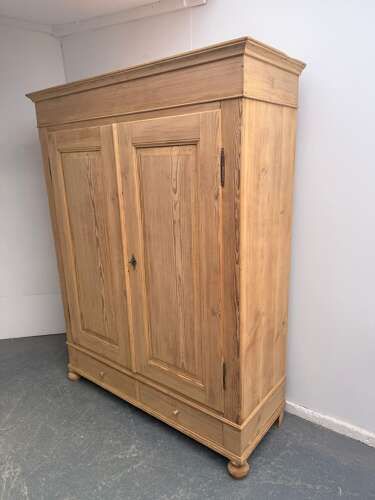

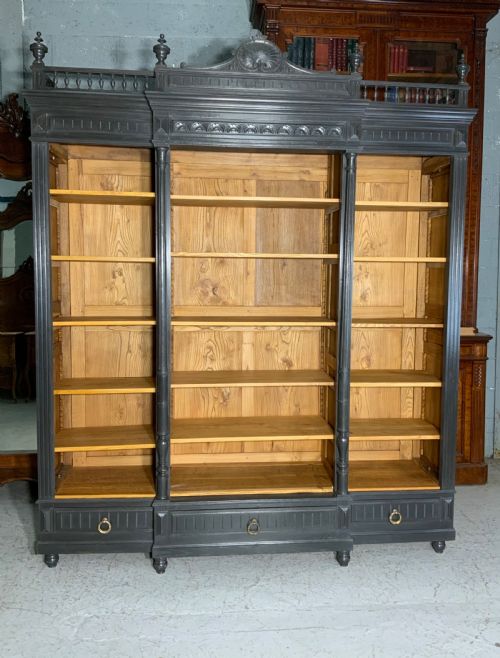
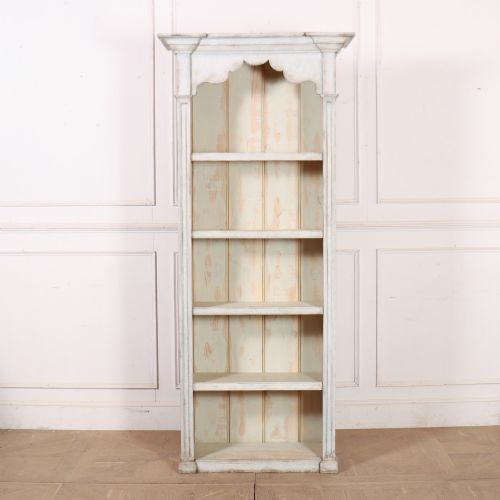
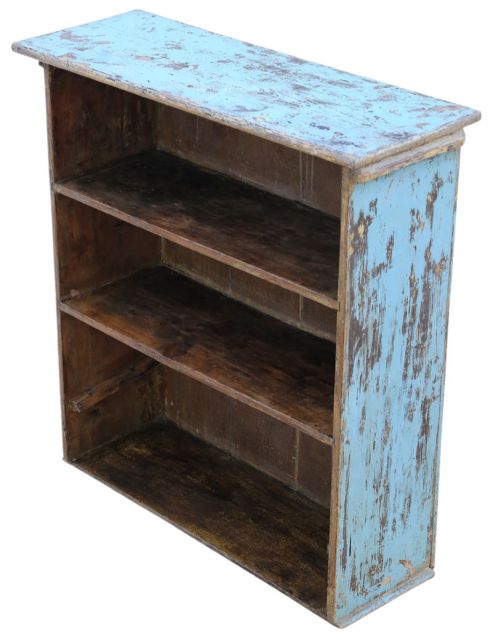



Painted Pine Shelving
These painted pine shelving pieces bring honest timber and layered colour into a room, offering practical storage with genuine historic character.
Painted Pine Shelving
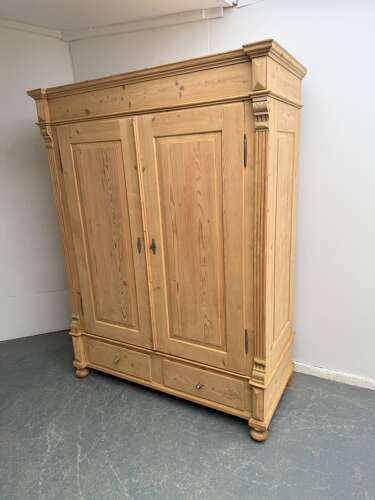
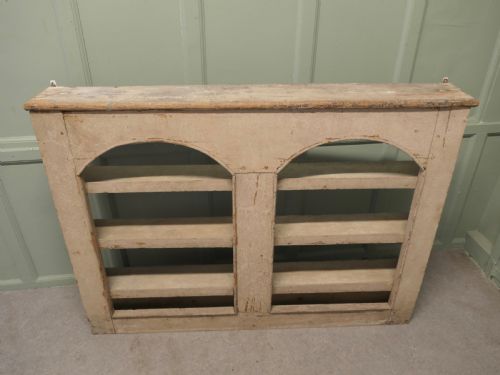
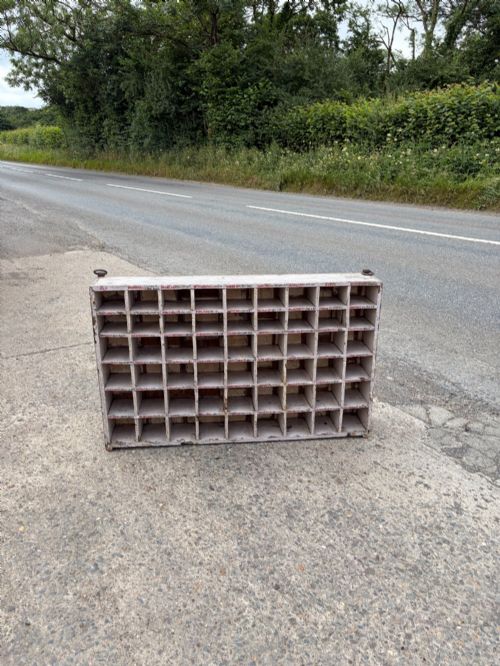
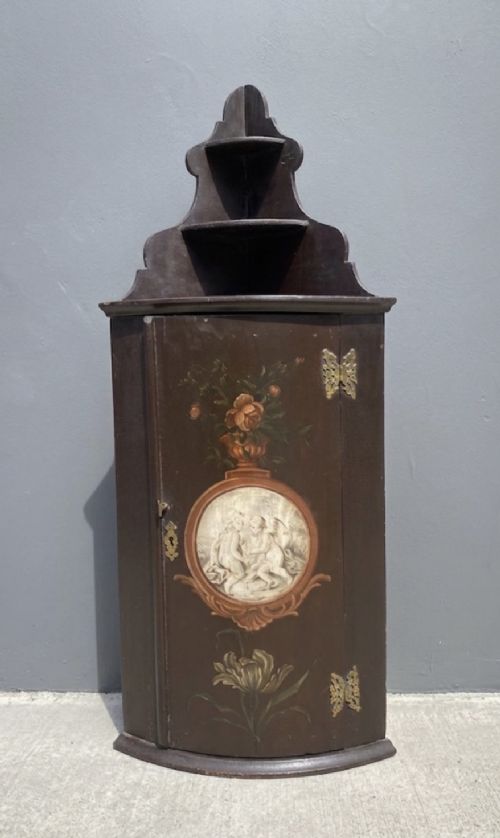
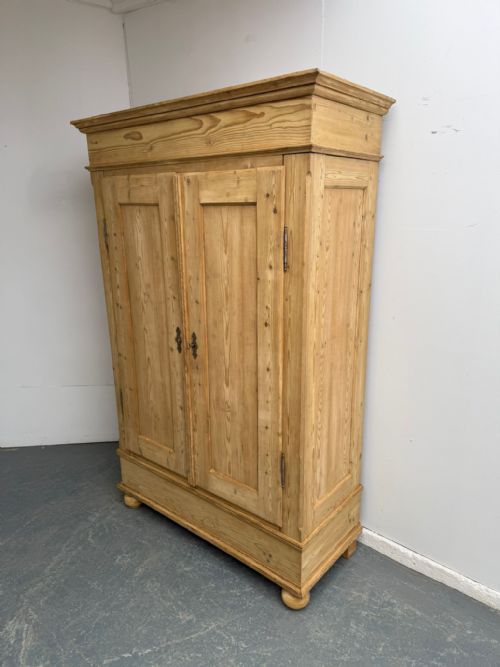
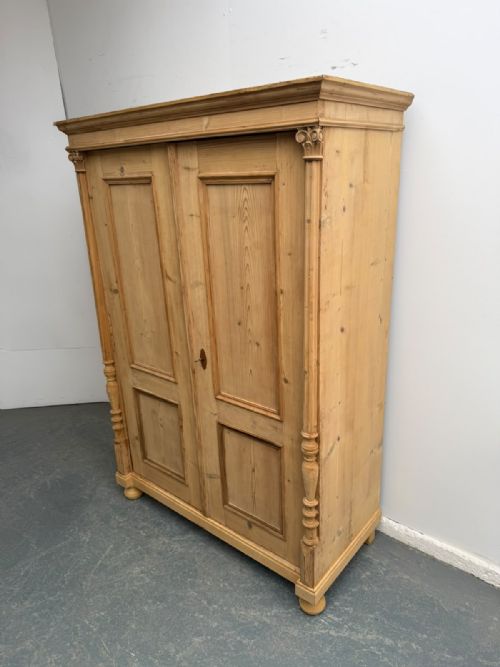
When you search for painted pine shelving, you encounter a range of functional furniture built from softwood and finished in various historical coats of paint. The selection spans open bookcases, wall shelves, and large storage cupboards with internal shelving from several periods.
The pieces originating from the nineteenth century predominate, alongside examples from the eighteenth and early twentieth centuries. Forms vary from simple wall-mounted plates racks and waterfall shelving to substantial knockdown wardrobes and corner cabinets.
Makers produced these items for everyday domestic or commercial storage across different regions, including English, French, and Swedish workshops. You will find both open display shelving and enclosed cupboard spaces designed to hold books, linen, and household goods.
How they were made
Carpenters constructed these items primarily from solid pine, utilising basic joinery to build sturdy carcasses, adjustable shelves, and panelled doors. Many pieces incorporate iron, brass, or metal hardware such as hinges and brackets to support the structure.
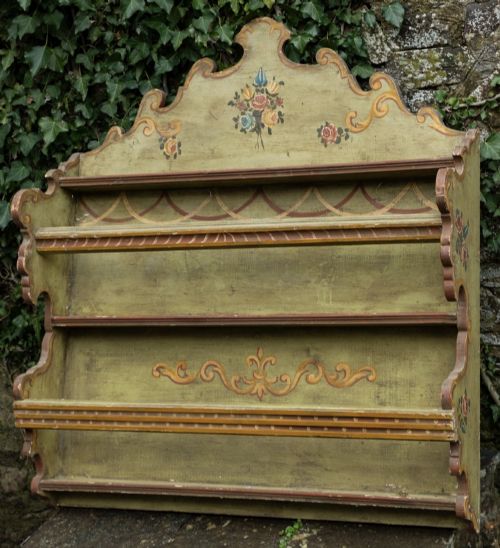
Makers applied surface finishes directly to the wood, utilising traditional distemper paint or layered oil paints that have aged over decades. Some items display simulated wood grain effects, such as simulated rosewood, while others retain distressed blue or hand-painted decorative schemes.
Painted Pine Shelving Retail Price Guide 2026
Typical asking prices for painted pine shelving among the pieces listed under this phrase on Sellingantiques today, from the lower quarter to the upper quarter. They describe what is for sale here now, not the wider market.
The listings show pieces spanning the 18th Century, Georgian, Regency, Victorian, Edwardian, and 1930 periods, constructed in pine and painted wood.
What varies in quality
The standard of a piece depends heavily on the integrity of the original timber construction and the survival of its early surface finish. Pieces retaining untouched distemper or original layered paint hold greater visual depth than those stripped or repainted in modern times.
Proportion and scale also separate standard utility items from finer examples, such as large-scale apothecary shelving or delicate waterfall units. The presence of period hardware, original backing boards, and well-fitted adjustable shelving denotes superior craftsmanship.
The Painted Pine Shelving Glossary
- Pine
- A common softwood used extensively for utilitarian furniture throughout the eighteenth and nineteenth centuries. It takes paint readily and provides a stable base for shelving.
- Distemper paint
- A traditional water-based paint mixture utilising chalk or pigment bound with glue or size. It dries to a matte finish and chalks slightly with age.
- Waterfall shelving
- A tiered set of open shelves that typically decrease in depth from bottom to top, often featuring shaped side supports.
- Pigeon holes
- Small, compartmentalised cubbies designed for sorting documents, letters, or small items, frequently incorporated into larger shelving units or cabinetry.
- Knockdown wardrobe
- A large piece of furniture designed to be disassembled into flat sections using pegged or bolted joints for ease of transport.
Painted Pine Shelving: Frequently Asked Questions
How do I clean painted pine shelves?
Dust the surfaces gently with a dry, soft cloth to remove everyday particles without disturbing the historic finish.
Avoid using harsh chemical cleaners, modern detergents, or excessive water, which can soften or lift old distemper and oil paints.
Can these shelves hold heavy books?
Many of these pieces were originally constructed for heavy domestic duties, such as apothecary storage or large book collections, and offer sturdy support.
Examine the thickness of the individual boards and the condition of the shelf supports before loading them with substantial weight.
How do I date a painted pine piece?
Inspect the construction methods, including the type of fixings, saw marks on the timber, and the style of mouldings used around the frame.
Paint analysis and the presence of underlying layers can also indicate the age of the piece and whether the finish is original to the period.
Where should I place wall shelving?
Select an interior wall that remains free from dampness and direct, harsh sunlight to protect both the softwood timber and the historic paint.
Ensure the wall fixings match the weight of the shelving and the capacity of the plaster or masonry structure.