



Painted Office Desk
These painted office desk pieces bring character and historic craft to a workspace, offering practical utility alongside distinct period charm.
Painted Office Desk
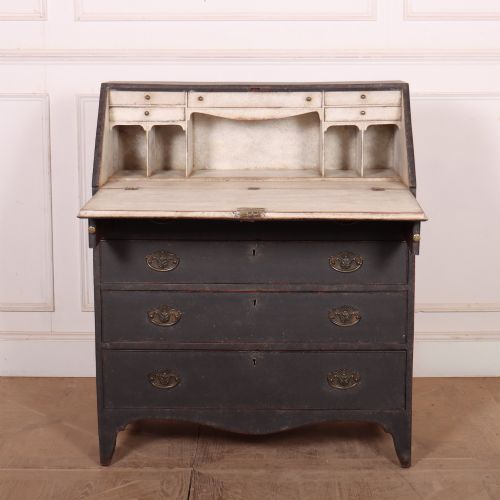
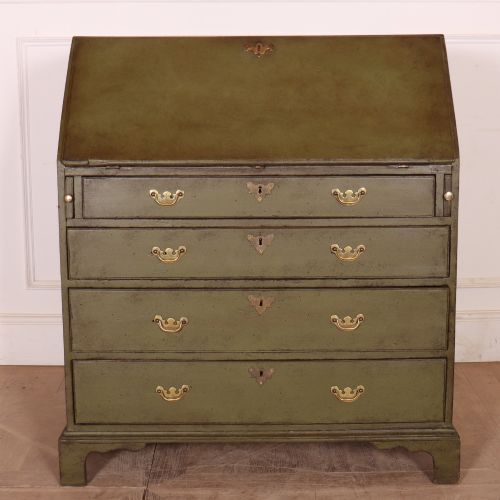
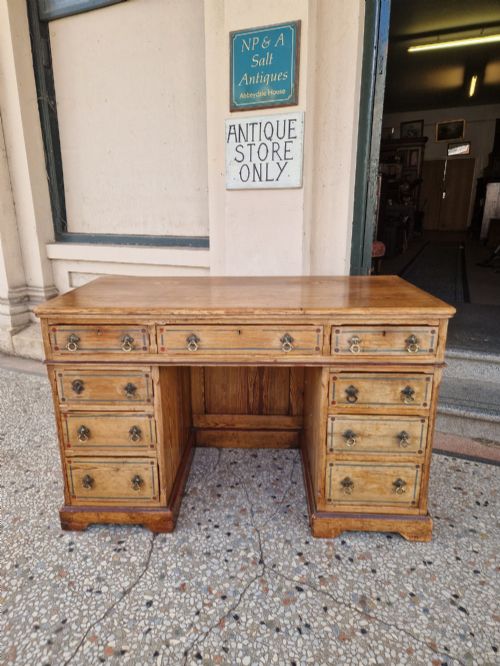
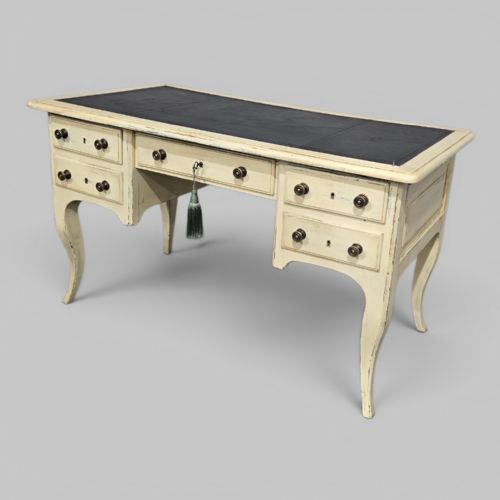
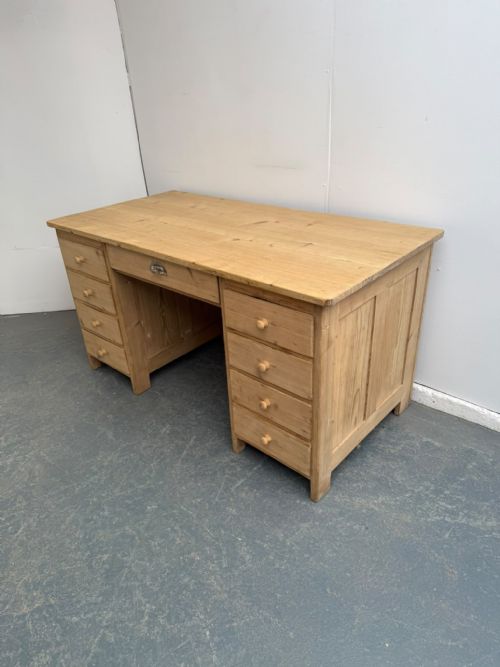
A painted office desk encompasses a diverse array of antique and vintage writing furniture, ranging from substantial pine office tables to refined French kneehole desks and English bureaux. When exploring a painted office desk, buyers encounter forms that span several centuries, including Victorian pine examples, Arts and Crafts pitch pine workstations, and 18th-century English bureaux.
How they were made
Construction relies heavily on timbers such as pine, pitch pine, and satinwood, frequently paired with applied paint finishes, leather inserts, and brass hardware. Cabinetmakers utilised durable joinery techniques to build functional office furniture designed for daily clerical or administrative labour.
Metal components such as cast iron printers stamps and bronze lamp bases demonstrate the integration of durable industrial materials during the 19th and early 20th centuries. Surface treatments range from traditional painted finishes to waxed natural woods, showing the adaptability of these pieces over successive generations.
Painted Office Desk Retail Price Guide 2026
Typical asking prices for painted office desk among the pieces listed under this phrase on Sellingantiques today, from the lower quarter to the upper quarter. They describe what is for sale here now, not the wider market.
Listings feature items from the 18th century, Victorian period, and early 20th century, constructed in pine, pitch pine, and painted wood.
What varies in quality
The standard of a painted office desk is defined by the integrity of its timber construction, the depth and execution of its painted finish, and the preservation of original period hardware. Substantial items like large nine-drawer Victorian office desks rely on robust framing and sound structural joinery to maintain stability.
Refinement in design, such as the curved compartments of a Carlton House desk or the delicate proportions of a Swedish writing desk, separates standard utilitarian furniture from more ambitious cabinetmaking. The historical authenticity of the paint layer and the retention of working brass or iron components further distinguish superior examples.
The Painted Office Desk Glossary
- Kneehole desk
- A freestanding desk with a central recess for the sitter's legs, flanked by pedestals of drawers. This form became popular during the 18th and 19th centuries.
- Pitch pine
- A durable, resinous softwood sourced from North America and heavily utilised in Arts and Crafts furniture. It displays a prominent, decorative grain pattern.
- Carlton House desk
- A refined writing table featuring a low superstructure of small drawers and compartments arranged in a curved crescent. It represents a sophisticated late 18th- and 19th-century form.
- Pigeon holes
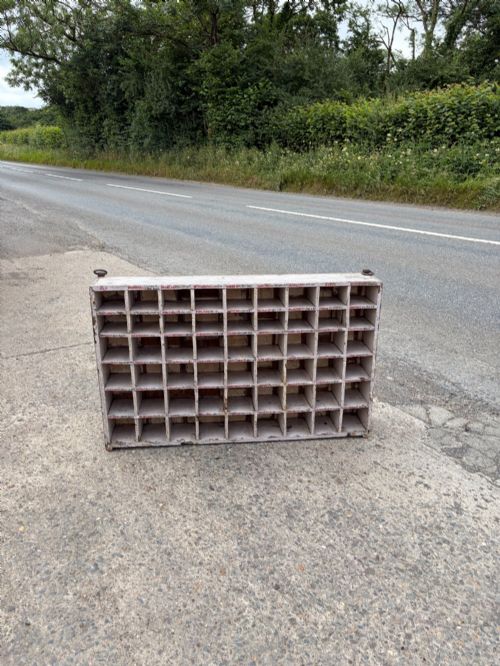
- Small open compartments within a desk or cabinet used for sorting letters and documents. They form an integral part of period administrative furniture.
Painted Office Desk: Frequently Asked Questions
What periods do these desks cover?
The pieces span from the 18th century through the Victorian era and into the early 20th century, including specific decades like the 1920s and 1930s.
This broad chronological range incorporates various revival styles and traditional regional cabinetmaking approaches.
What materials were used in their construction?
Makers utilised woods such as pine, pitch pine, and satinwood, frequently applying paint finishes directly to the timber surfaces.
Metal elements like brass handles, iron hardware, and bronze lamp components also appear across the selection.
How do I identify a Victorian office desk?
Victorian examples frequently utilise substantial pine construction, often featuring multiple drawer configurations designed for heavy administrative use.
These pieces often show evidence of traditional wax or paint treatments applied over sturdy structural framing.
Are accessories included with these desks?
Certain listings feature complementary items such as tabletop shelving accessories, pigeon holes, and adjustable desk lamps.
These additions help recreate a complete period workspace environment.