



Painted Metal Bench
A painted metal bench brings structure and patinated charm to a terrace or lawn, offering enduring seating shaped by Victorian, Regency and later hands.
Painted Metal Bench
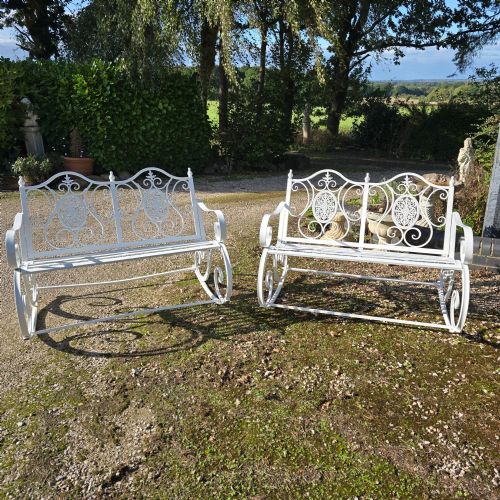
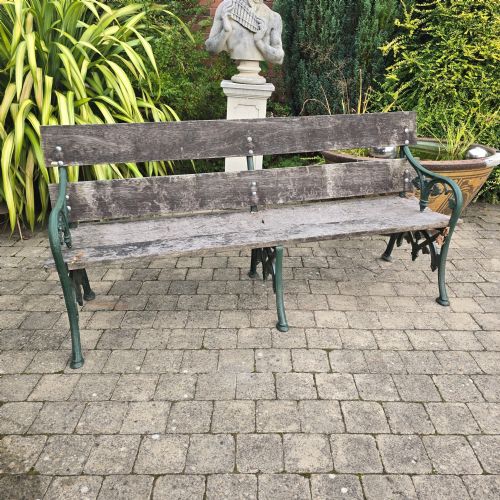
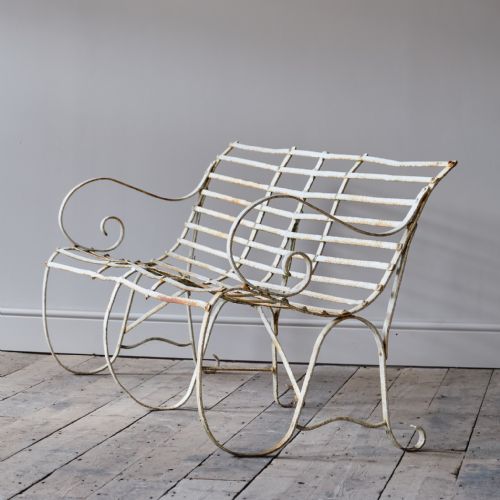
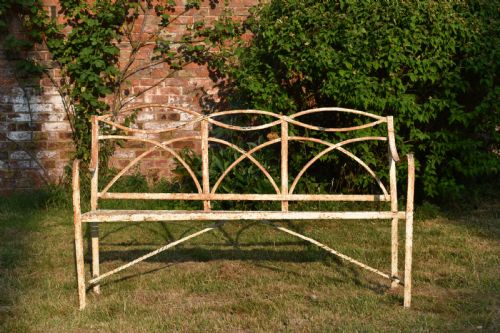
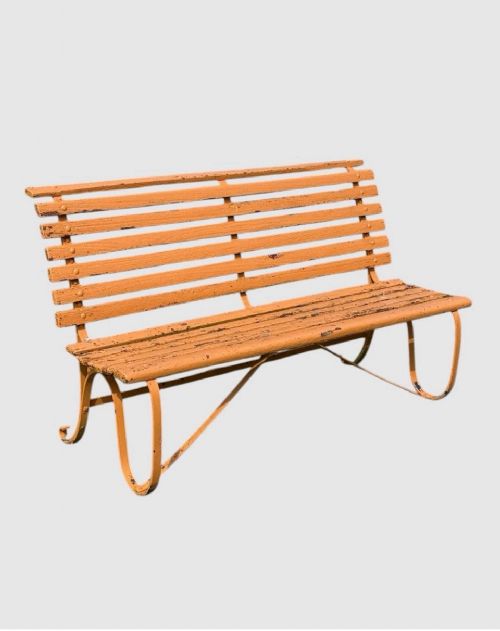
A painted metal bench provides durable outdoor seating in various forms, from Victorian scrollwork seats to Regency strapwork designs and French conservatory benches. When exploring a painted metal bench selection, the eye encounters pieces forged from iron or steel, often bearing decades of accumulated layers of historical paint.
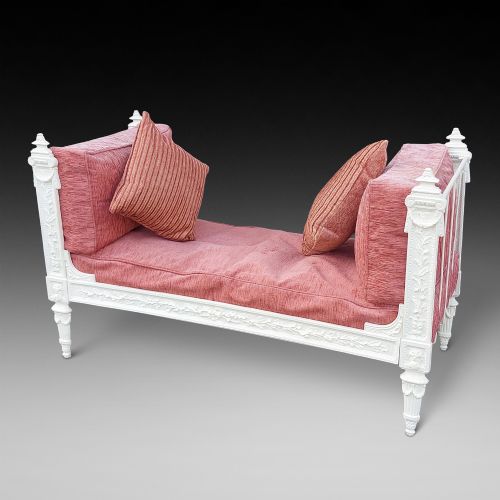
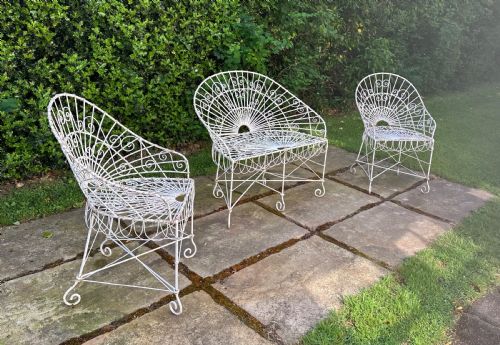
The inventory spans multiple eras, capturing the heavy casting traditions of the nineteenth century alongside lighter twentieth-century wirework and folding metalwork. Buyers frequently encounter traditional garden seats and daybeds, showcasing regional British and continental styles preserved through successive coats of protective colour.
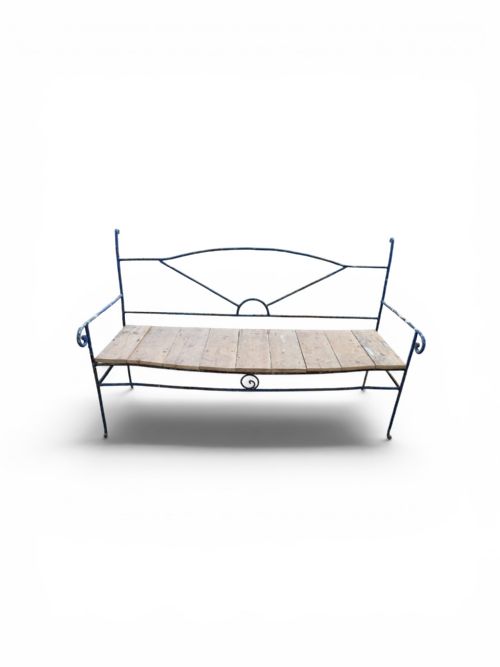
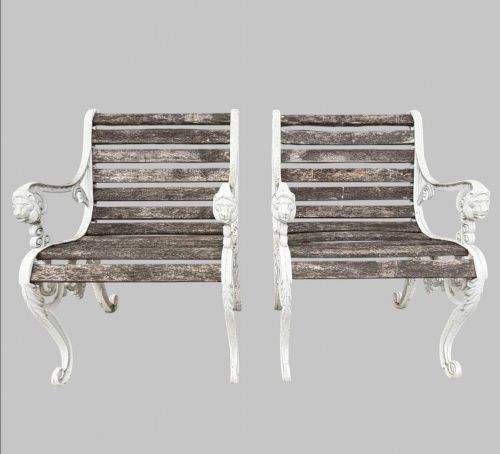
Constructed primarily for outdoor use in parks, patios and orangeries, these items merge utilitarian metalwork with decorative flourish. Many examples combine cast or wrought frames with timber slats, fabric cushions or entirely metal construction to withstand the elements.
Assessing quality and authenticity
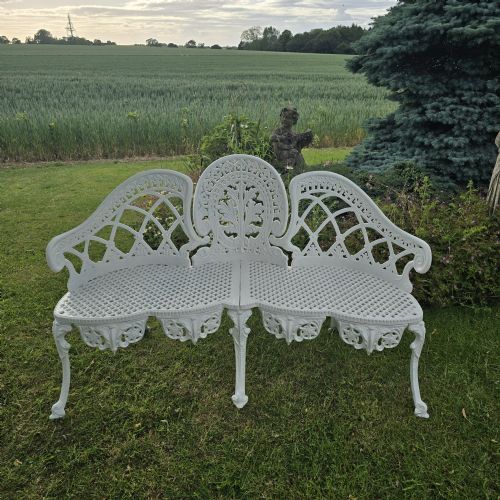
Quality rests in the crispness of the original casting and the integrity of the underlying metalwork. Finer pieces display sharply rendered details in decorative elements like strapwork and figurative motifs, whereas lesser examples present softer lines and coarser joints.
The character of the surface finish significantly influences distinction, with layers of authentic historical paint holding greater appeal than recent uniform repainting. Structural soundness in the scrollwork and frame remains paramount, distinguishing master foundry production from utilitarian output.
Painted Metal Bench Retail Price Guide 2026
Typical asking prices for painted metal bench among the pieces listed under this phrase on Sellingantiques today, from the lower quarter to the upper quarter. They describe what is for sale here now, not the wider market.
Listings feature Victorian, Edwardian and Regency periods, alongside specific years including nineteen-thirty, nineteen-twenty and eighteen-fifty.
Coalbrookdale
The Painted Metal Bench Glossary
- Coalbrookdale
- A famous Shropshire foundry known for producing intricate nineteenth-century cast iron garden furniture and ornate seats. Their iconic designs are widely referenced in antique metalwork.
- Strapwork
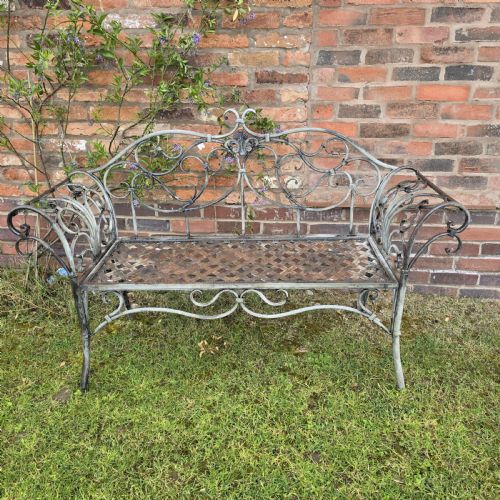
- A decorative motif resembling flat interlaced bands of leather or metal, frequently seen on Regency and Victorian iron benches. This technique creates a geometric and airy pattern across the backrest.
- Faux bois
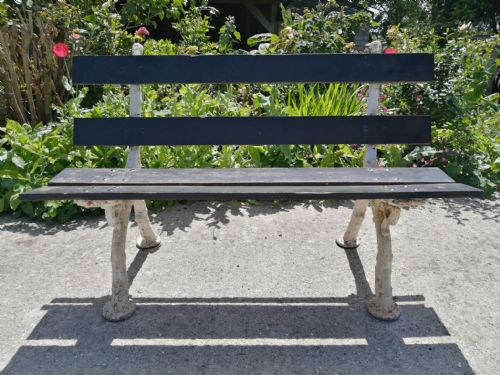
- An artistic imitation of wood grain rendered in cast iron or concrete, popular during the Victorian era. Foundry workers painstakingly sculpted the metal to mimic natural timber knots and bark.
- Verdigris
- A green patina or crust formed on copper, brass or iron surfaces through natural weathering and oxidation over time. This chemical reaction provides a distinct historic coloration sought after by decorators.
- Wirework
- A technique involving bent and soldered metal wires to create lightweight, trellis-like garden arbours and seating. This method gained popularity around the turn of the twentieth century for conservatory use.
Painted Metal Bench: Frequently Asked Questions
Can these metal benches stay outside all year?
Most iron and metal garden furniture is built to withstand outdoor exposure, though harsh winter conditions can accelerate weathering on older pieces.
Moving delicate wirework or historic painted items into a shed or conservatory during the coldest months helps preserve the original metal and paint layers.
How do I care for historic painted surfaces?
Preserving original paint requires gentle cleaning with mild soap and water, avoiding harsh chemical strippers or abrasive scrubbers that remove historical layers.
Applying a specialist wax or clear protective coating can stabilise flaking pigment without obscuring the authentic patination accumulated over decades.
What is the difference between cast iron and wrought iron?
Cast iron is poured into moulds while molten, resulting in rigid, highly ornate components with crisp decorative details like foliage and animal masks.
Wrought iron is heated and hammered by hand into shape, producing fibrous, resilient structures characterised by smooth, sweeping scrolls and strapwork.
How can I date an antique garden seat?
Dating relies on examining manufacturing techniques, stylistic cues like Regency strapwork or Victorian Gothic revival motifs, and the composition of underlying paint layers.
Foundry marks, registration numbers and construction methods such as bolted versus riveted joints also offer reliable clues to a piece's era of origin.