



Painted Low Stool
These painted low stool pieces bring character and low seating to a room, offering surface colour and regional hand-painted finishes.
Painted Low Stool
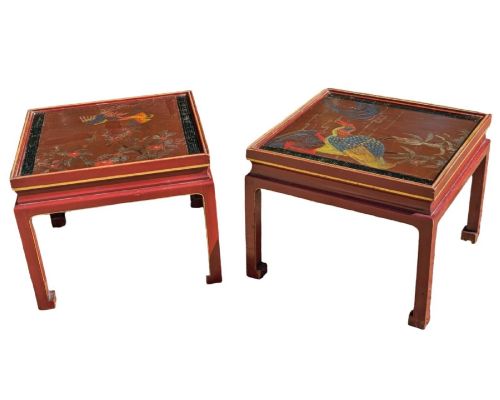
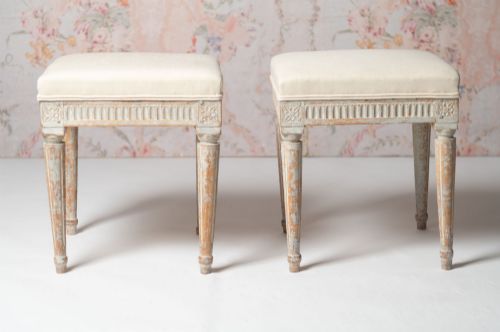
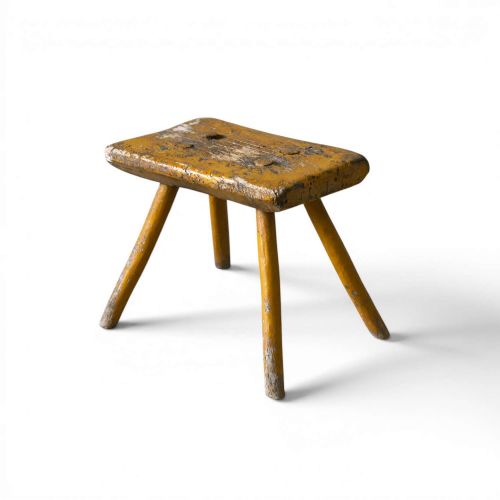
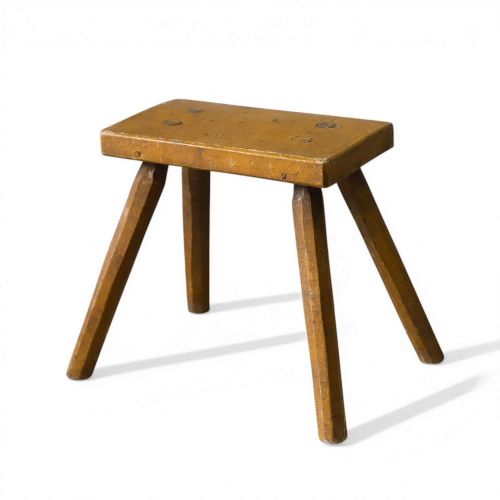
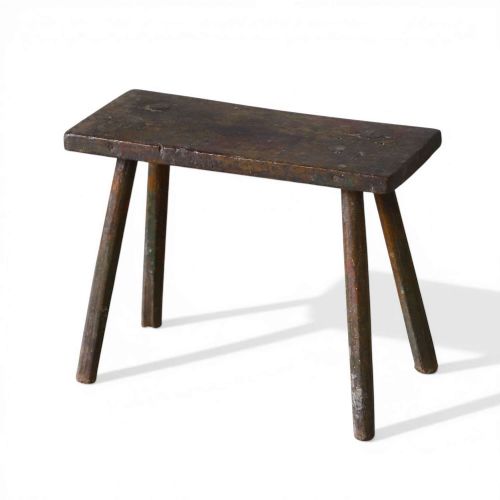
A painted low stool search brings up compact seating and low surfaces spanning the eighteenth century through to the interwar period. These pieces encompass rustic milking stools, Swedish Gustavian seats, and continental decorative designs.
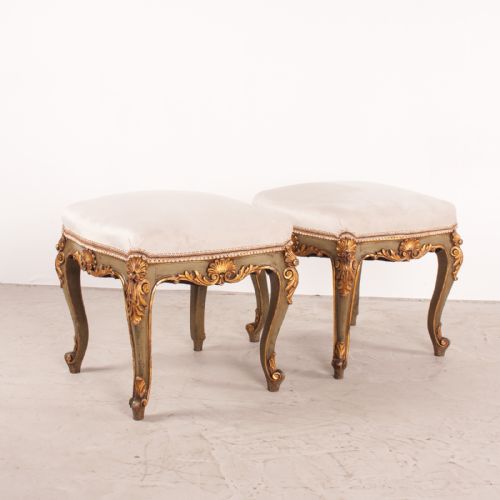
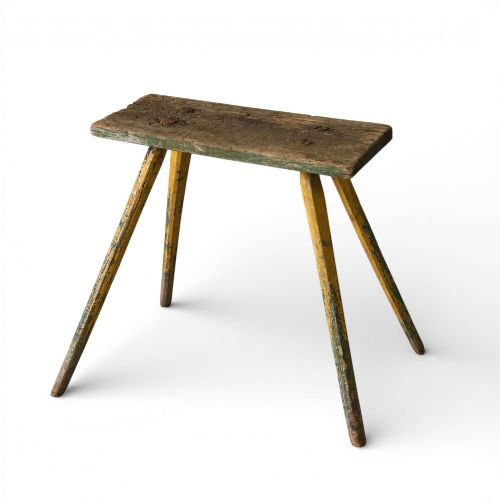
Rural examples display original ochre, yellow, or green paint layers applied to simple timber forms. Continental and Scandinavian variations often incorporate carved details, gilt touches, and regional stylistic traits.
Forms extend beyond standard seating to include low tables, window seats, and wedding chairs. The selection ranges from unpretentious farm furniture to ornate French and Italian decorated seating.
Materials and construction methods
Construction relies on solid timber frameworks shaped by hand carpentry techniques suited to each regional workshop. Wood is treated with pigmented paint, lacquer, or gold leaf to create decorative surfaces.
Painted finishes frequently show natural wear, retaining original layers of pigment and colour accumulated over decades. Upholstered variants integrate fabric and needlework elements atop wooden structures.
Painted Low Stool Retail Price Guide 2026
Typical asking prices for painted low stool among the pieces listed under this phrase on Sellingantiques today, from the lower quarter to the upper quarter. They describe what is for sale here now, not the wider market.
Listings feature items from the eighteenth, nineteenth, and early twentieth centuries, including Swedish Gustavian and French regional styles.
Quality factors in painted low stool items
Quality rests upon the preservation of original surface finishes and the integrity of the underlying timber structure. Pieces retaining untouched historic pigment demonstrate higher authenticity than those with later decorative layers.
The precision of hand carving and the harmony of regional proportions distinguish finer workshop output from utilitarian items. Construction joinery that remains firm without excessive modern intervention preserves historical value.
The Painted Low Stool Glossary
- Gustavian style
- A Swedish aesthetic characterised by pale painted finishes, neoclassical restraint, and simplified continental motifs.
- Milking stool
- A simple three or four-legged functional wooden seat historically used for agricultural tasks.
- Chinoiserie
- European decorative style reflecting Chinese artistic traditions, often featuring lacquer and painted motifs.
- Original paint
- The initial pigmented surface coating applied to an object, valued for its historical patina.
- Needlework
- Stitched textile embellishment applied to upholstery surfaces using yarn or thread.
Painted Low Stool: Frequently Asked Questions
What is a painted low stool used for?
These low pieces serve as functional seating, footrests, or small display surfaces in living spaces.
Their compact scale allows them to fit easily beside larger chairs or beneath windows.
How do I identify a Swedish Gustavian stool?
Gustavian pieces typically display pale painted surfaces, restrained carvings, and neoclassical proportions.
Swedish examples often retain original light-coloured pigments applied during the eighteenth or nineteenth centuries.
Are milking stools comfortable to sit on?
Milking stools feature simple wooden tops designed for short-term agricultural utility rather than prolonged lounging.
Their primary appeal lies in their sculptural form and rustic charm rather than ergonomic cushioning.
How do I care for antique painted furniture?
Protect painted wood surfaces from direct sunlight and moisture to preserve fragile historic pigment layers.
Dust gently with a dry cloth and avoid harsh chemical cleaners that might strip the original finish.