



Painted Interior Doors
These painted interior doors bring period character and colour directly into a room, offering the chance to divide spaces with genuine history.
Painted Interior Doors
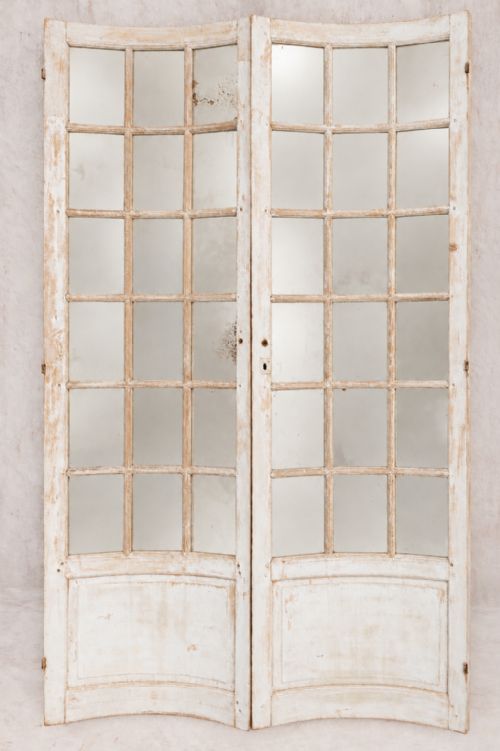
When you search for painted interior doors, you find structural divisions that carry the marks of past centuries. The listings on this page span the nineteenth century and the Victorian era, alongside pieces dated around nineteen-ten.
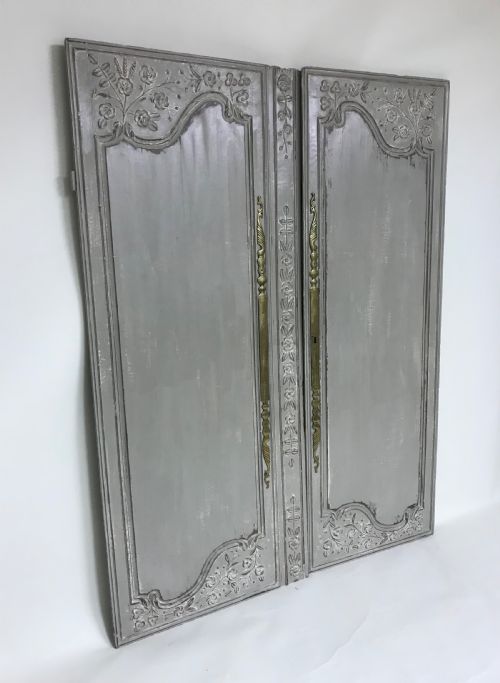
You meet various configurations, including glazed bathroom or utility doors, railway carriage doors with art nouveau inspired glass, and pairs of french chateau doors. These examples reveal how timber was shaped to separate rooms while adding architectural depth to an interior.
The styles recorded in the evidence range from victorian and georgian to french provincial, irish country, and rustic farmhouse. Each piece shows how domestic architecture combined utility with decorative surface treatment during its respective period.
How they were made
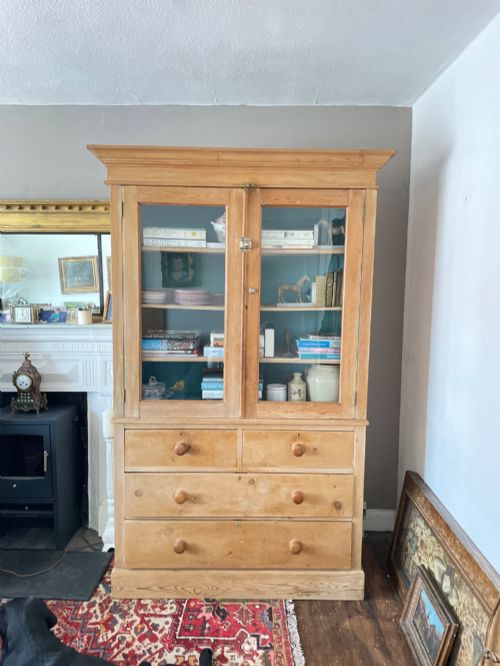
The construction relies on traditional timber framing, utilising pine and walnut as primary woods alongside iron and brass hardware. Cabinetmakers and joiners built these doors and associated storage forms to withstand daily handling while maintaining structural integrity.
Surfaces received layers of paint, wax, or bleaching to achieve specific finishes, whilst glass panels incorporated etched designs or concave shaping. These treatments protected the wood and contributed to the visual texture seen across the surviving pieces.
Painted Interior Doors Retail Price Guide 2026
Typical asking prices for painted interior doors among the pieces listed under this phrase on Sellingantiques today, from the lower quarter to the upper quarter. They describe what is for sale here now, not the wider market.
The site listings feature items spanning the nineteenth century, the Victorian era, and nineteen-ten, utilising pine, walnut, glass, and brass.
What varies in quality
The division between standard examples and finer pieces lies in the sophistication of the joinery and the preservation of original finishes. Timber selection also dictates the baseline, with dense walnut and well-seasoned pine holding surface treatments differently over decades of use.
Hardware integration and glasswork complexity further separate items within the range. Etched glazing and robust iron or brass fittings denote deliberate design choices that elevate a door beyond basic utility.
The Painted Interior Doors Glossary
- Glazed door
- A door incorporating glass panels to allow light transmission between spaces. These often feature etched patterns or specialised shaping.
- Pine
- A softwood commonly utilised for interior joinery and furniture across the nineteenth century. It provides a stable base for painted and waxed surfaces.
- Walnut
- A denser hardwood favored in French and English cabinetmaking for its rich grain and durability. It frequently appears in finer architectural elements.
- Etched glass
- Glass treated with acid or abrasive materials to create opaque decorative designs. This technique privacy while diffusing light.
- Railway carriage door
- A specialised door format adapted from transport engineering for interior use. It typically incorporates distinctive window configurations.
Painted Interior Doors: Frequently Asked Questions
How do I hang a vintage door?
Hanging a vintage door requires assessing the original hinge placements and checking the plumb of your doorframe. Timber expands and contracts with humidity, so precise planning ensures a secure fit.
Older frames might not be entirely square, meaning careful planing along the edges is often necessary to achieve a smooth swing without damaging the painted surface.
Can I strip modern paint off?
Stripping modern paint from period timber is possible, but care must be taken to preserve the underlying wood grain and any traces of earlier finishes. Chemical strippers or heat guns are common tools used in this process.
Because many pieces retain historic paint layers, testing a small hidden area first helps determine what lies beneath the topmost coat.
How do I clean glazed panels?
Cleaning glazed panels on nineteenth-century doors involves using mild glass cleaner applied with a soft cloth to avoid scratching the surface. Etched areas benefit from gentle wiping rather than aggressive scrubbing.
Keep moisture away from the surrounding wooden frames and painted sections to prevent water staining or softening of the historic finish.
Are these doors standard sizes?
These doors generally do not conform to modern standard dimensions, having been constructed to fit specific nineteenth-century architectural openings. Measuring the exact height, width, and thickness before purchase is essential.
Adjusting the opening in your wall is frequently required when integrating historic doors into contemporary spaces.