
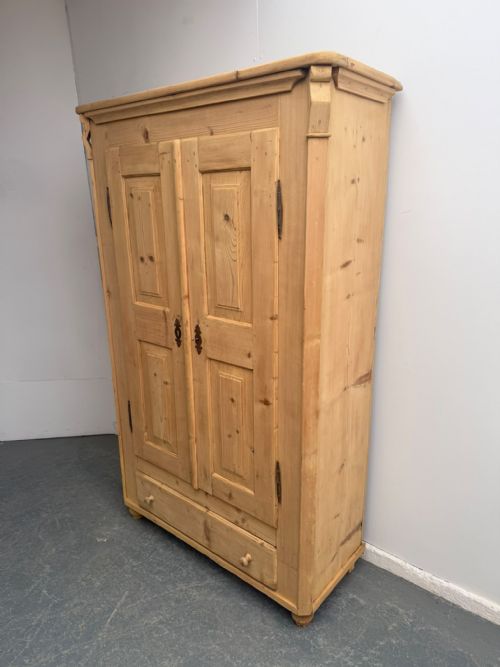
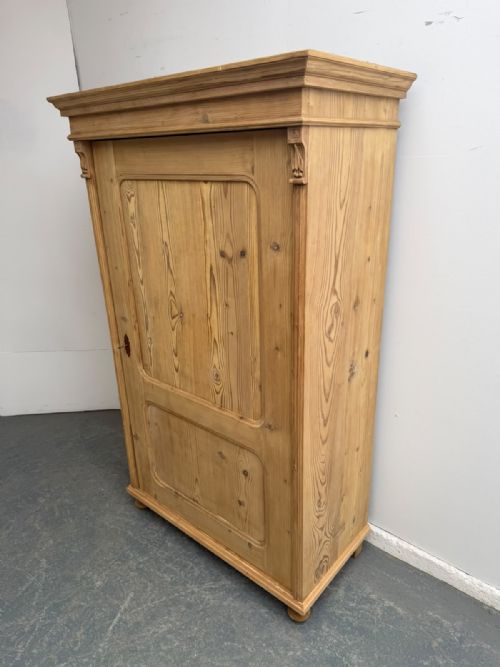
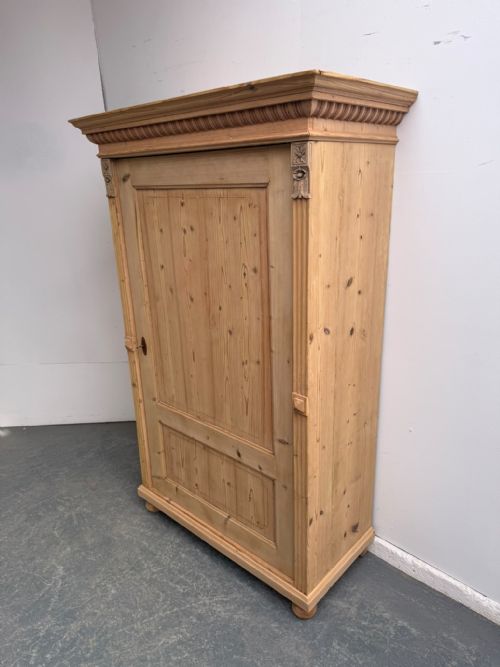
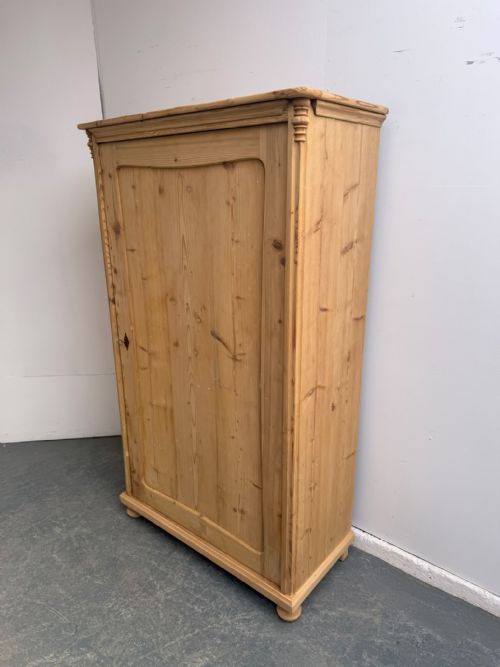
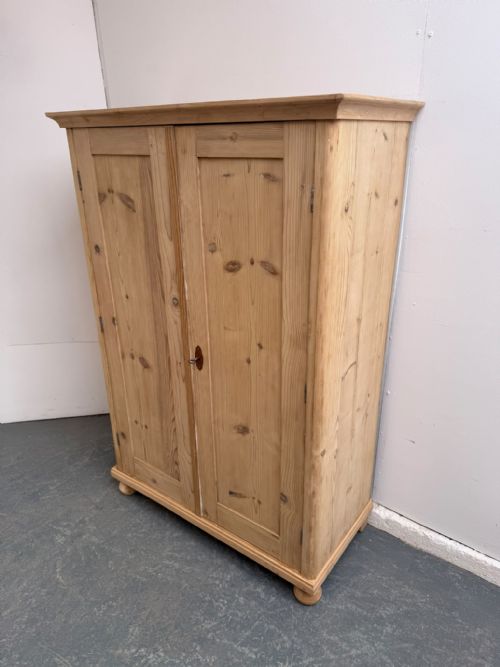


Painted Hall Cabinet
A painted hall cabinet brings functional storage and surface colour to an entryway, drawing on centuries of domestic traditions across Britain and continental Europe.
Painted Hall Cabinet
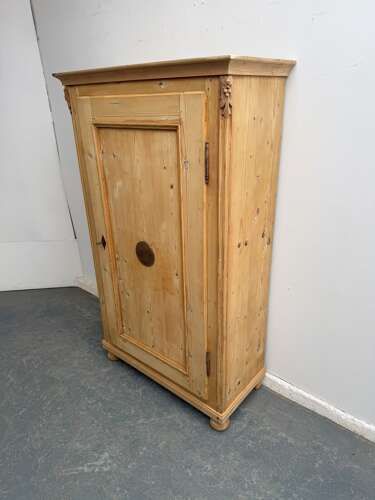
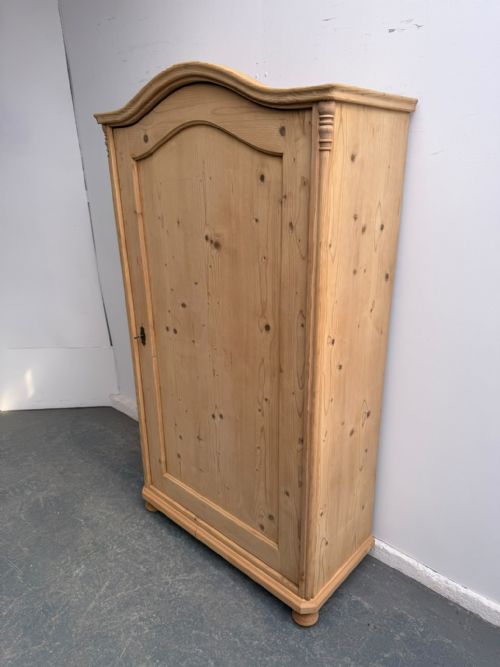
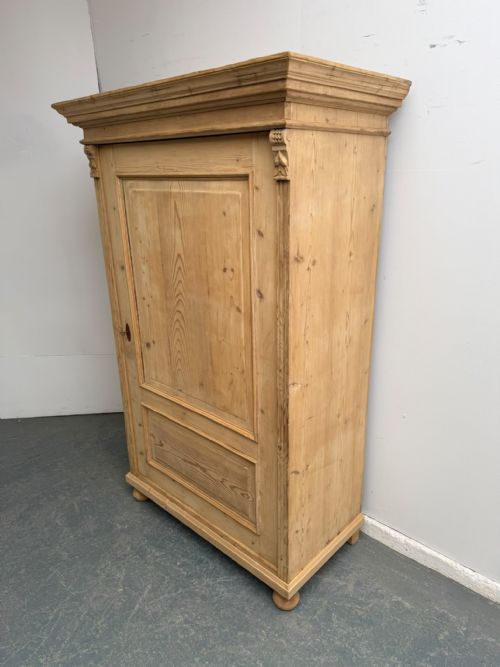
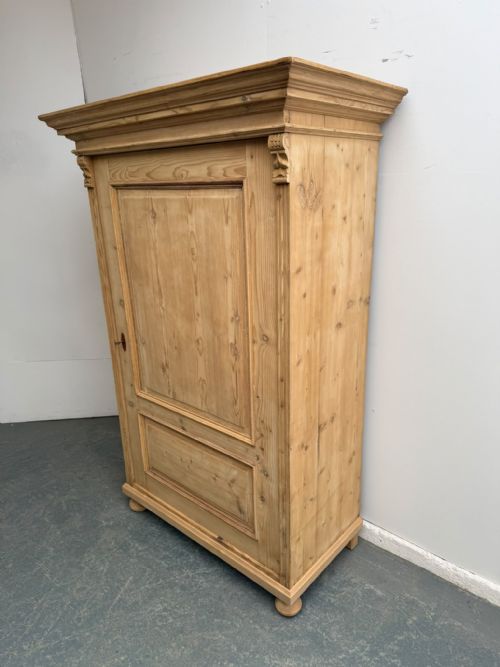
A painted hall cabinet encompasses storage cupboards, dresser bases, and narrow wardrobes designed to fit transit spaces while offering concealed storage for household goods. When you search for a painted hall cabinet, you encounter sturdy pine pieces spanning the Georgian, Victorian, and Edwardian eras, alongside continental examples from Sweden, Italy, and Bohemia.
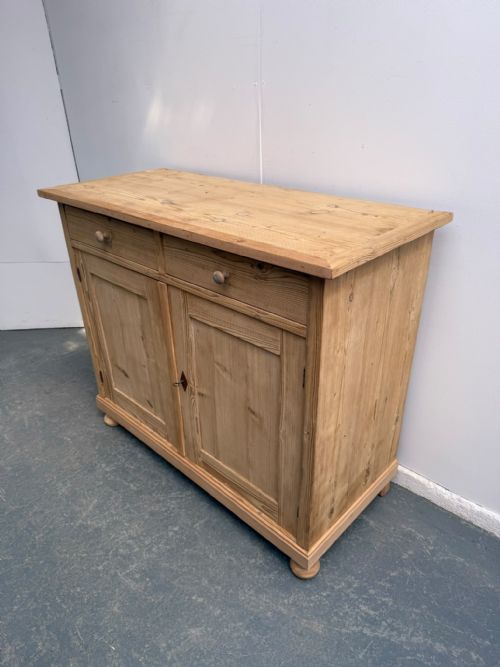
The version you are most likely to meet on this page is the Victorian pine storage cupboard or dresser base, often featuring single or double doors, internal shelving, and sometimes drawers. These utilitarian items frequently survive in historic painted finishes or present clean pine surfaces prepared for decorative paint schemes.
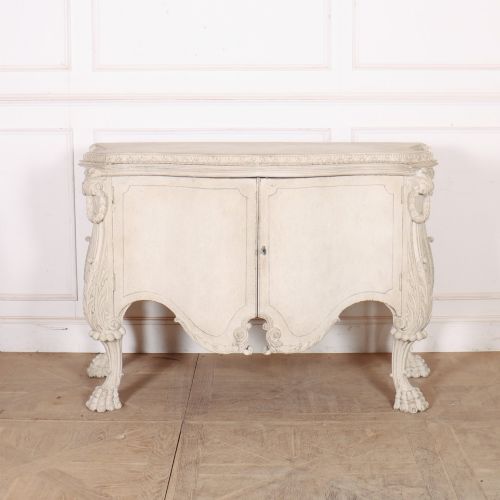
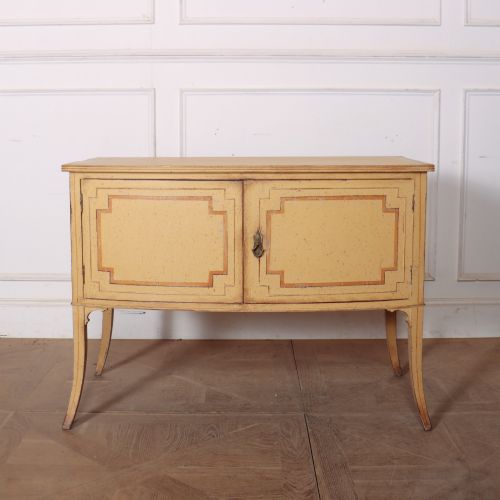
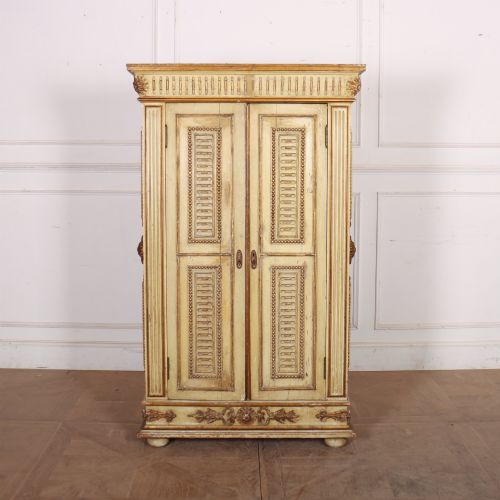
Beyond standard British country house furniture, the selection includes tall hall wardrobes, low wide cupboards, and ornate continental pieces finished in painted grey, green, or cream. Such variations reflect regional domestic requirements, ranging from compact shallow designs to substantial marriage armoires.
How they were made
Construction relies heavily on solid pine and painted wood, joined using traditional techniques suited to domestic utility and everyday wear. Cabinetmakers utilised iron and brass for hardware such as hinges, latches, and key escutcheons, securing structural integrity across cupboards and wardrobe doors.
Surface decoration frequently involves layers of gesso and paint applied to timber carcasses. Many pieces retain original painted finishes or historic decorative schemes, while others show later painted interventions over stripped or waxed pine.
Listings feature pine and painted wood constructions spanning the Georgian, Victorian, and Edwardian periods, alongside continental pieces from Sweden and Italy.
What varies in quality
The standard of a piece rests upon the integrity of its timber construction and the harmony of its proportions. Cabinets retaining original painted surfaces or crisp carved details generally command greater interest than heavily altered examples.
Internal configuration also dictates distinction, with well-preserved shelving, original hardware, and tidy drawer construction marking the upper tier of surviving domestic storage.
The Painted Hall Cabinet Glossary
- Dresser base
- A low cabinetry unit typically featuring cupboards and drawers, originally designed for food preparation or serving in domestic settings.
- Armoire
- A large freestanding cupboard or wardrobe with doors, utilised across European households for hanging garments or linen storage.
- Gesso
- A plaster-like mixture applied to wood surfaces to prepare them for painting and gilding, common in decorative furniture traditions.
- Fielded
- A panel design featuring a raised central portion with bevelled edges, frequently seen on cupboard doors to add depth and structural stability.
- Skeleton cupboard
- A specialised storage cabinet frame with open or glazed elements, allowing visibility of internal contents.
Painted Hall Cabinet: Frequently Asked Questions
What is a painted hall cabinet used for?
These cabinets provide practical storage in entryways and hallways for shoes, linens, and everyday household items.
They also offer a display surface for lamps, ceramics, or decorative objects while adding colour and character to a transitional space.
How do I date a painted hall cabinet?
Dating relies on construction methods, timber selection, and stylistic details typical of Georgian, Victorian, or Edwardian periods.
Hardware such as brass hinges and iron locks also help establish the approximate era of manufacture.
Are painted finishes original?
Some cabinets retain their original paint or historic decorative schemes applied in the nineteenth or early twentieth century.
Other pieces were stripped to raw pine in later decades or repainted to suit contemporary domestic interiors.
How do I care for antique painted wood?
Protect painted surfaces from direct sunlight and excessive moisture to prevent fading, cracking, or lifting of the gesso and paint layers.
Dust gently with a soft dry cloth and avoid harsh chemical cleaners that might strip historic finishes.