




Painted Folk Art Display
When you search for painted folk art display, you find tactile pieces built by hands that understood utility and decoration equally.
Painted Folk Art Display
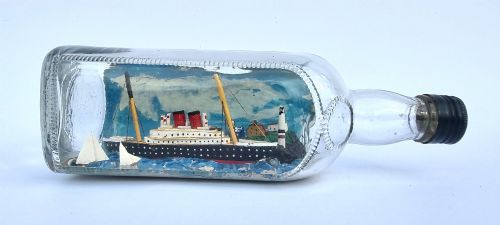
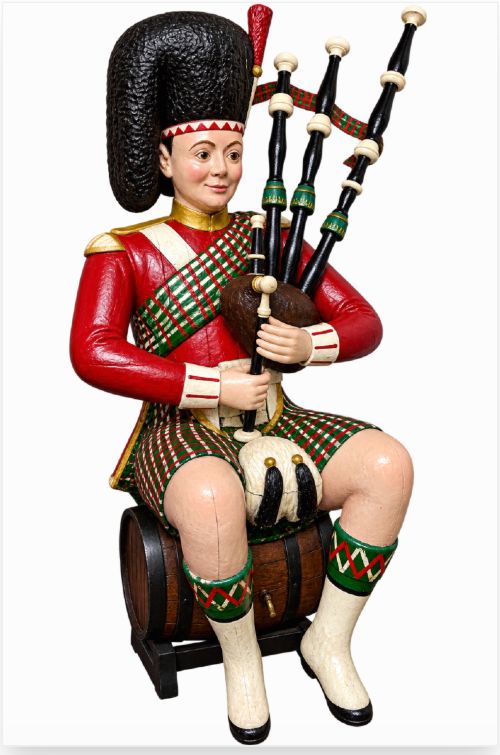
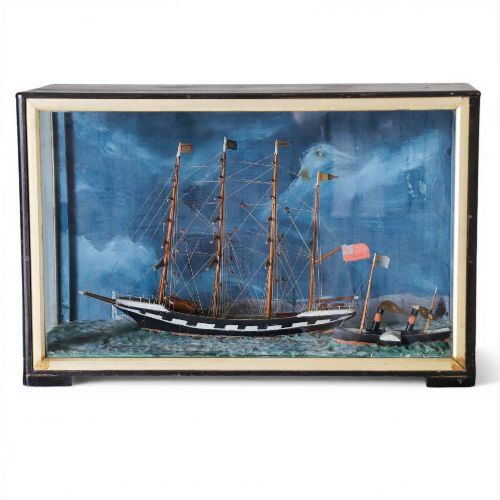
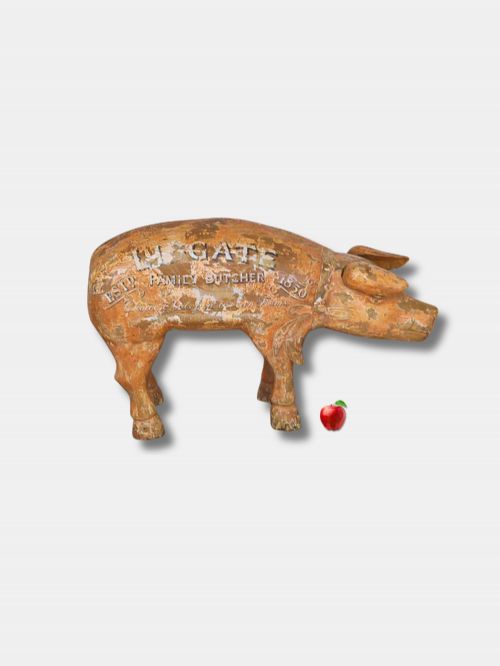
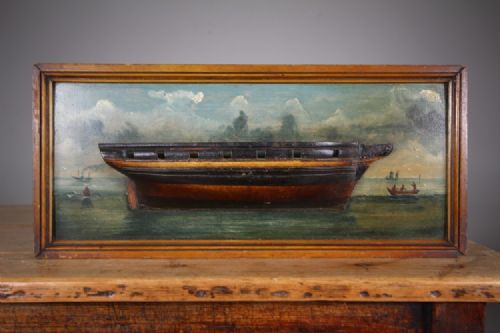
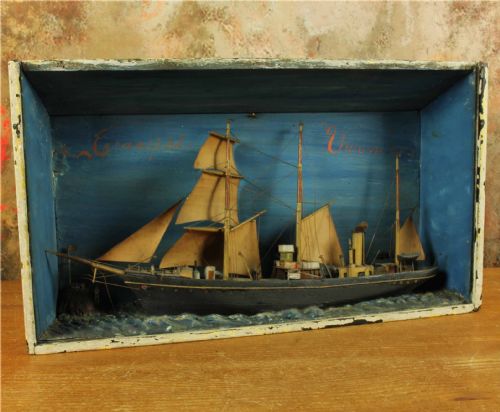
A painted folk art display encompasses functional objects, trade figures, shop signs, and enclosed dioramas created across the nineteenth and early twentieth centuries. These items served commercial purposes in butcher shops, bakeries, and tobacconists, or domestic purposes in European country kitchens. The versions most commonly met on this page include cased maritime dioramas, painted wooden trade signs, and naive shop figures.
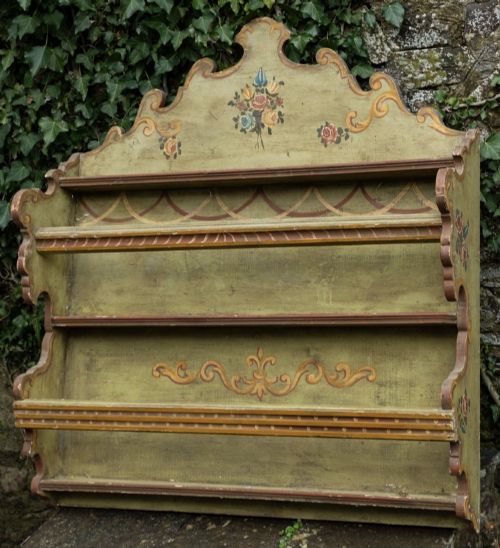
Originating from English, French, Scandinavian, and Hungarian workshops, these pieces bring a distinct regional character to interior spaces. The selection includes shadow box dioramas, wall shelves, kitchen dressers, and large wooden display signs. Each object reflects the vernacular traditions of its maker, relying on practical construction rather than academic polish.
Materials and Construction
Wood serves as the primary substrate for these pieces, utilising pine and various hardwoods shaped by local craftsmen and trade carvers. Artisans applied lead-based or oil paints directly to the timber, often layering colours over decades of use and refurbishment. Glass and plaster appear frequently in shadow box dioramas and trade figures to protect delicate models or render three-dimensional forms.
Construction methods remain straightforward and robust, combining nailed joints, pegged mortises, and hand-cut pine boards designed to withstand daily commercial use. Makers incorporated disparate elements such as shells, metal fittings, fabric, and paper within maritime dioramas to build textured seascapes. Surfaces display tool marks, pit sawing evidence, and brush strokes that record the physical process of their creation.
Listings feature 19th-century and early 20th-century pieces, spanning Victorian and Edwardian periods alongside European country styles.
Distinctions in Quality
Quality in a painted folk art display rests on the strength of the carving, the integrity of the original paint surface, and the ambition of the composition. A trade sign or figure with vigorous, confident modelling stands apart from stiffer, more generic workshop output. The retention of unpolished, untouched paint layers elevates an object above examples that have suffered heavy restoration or complete stripping.
The complexity and scale of the subject matter also dictate distinction, particularly within maritime dioramas and multi-tiered shop models. Pieces that capture motion - such as racing sailing vessels or clockwork mechanisms - demonstrate greater technical ambition from the maker. Structural survival without excessive timber replacement preserves the historical honesty that collectors value in vernacular artefacts.
The Painted Folk Art Display Glossary
- Shadow Box Diorama
- A shallow, glazed wooden case enclosing a three-dimensional scene built from carved wood, painted canvas, and miscellaneous media. These pieces were constructed to protect delicate maritime models from dust and atmospheric damage.
- Trade Sign
- A painted wooden board or carved figure commissioned by a merchant to advertise a shop's wares to the street. Examples on this page represent butchers, bakers, and tobacconists from the nineteenth and early twentieth centuries.
- Naïve Art
- Visual creation produced by self-taught or craft-trained makers working outside academic art traditions. It is characterised by a direct approach to perspective, proportion, and bright surface decoration.
- Polychrome
- Decorated or executed in multiple colours. This term frequently describes painted pottery, wooden figures, and trade displays featuring bright historical pigments.
- Scratch Built
- A model or object constructed entirely from raw materials and spare components rather than from a commercial kit. In folk art, this method produces singular architectural and maritime representations.
Painted Folk Art Display: Frequently Asked Questions
What is a folk art diorama?
A folk art diorama is an enclosed three-dimensional display, typically housed in a wooden box with a glass front. These pieces portray maritime scenes, industrial works, or domestic subjects using carved wood, painted backdrops, and small-scale models.
Maker communities built them to commemorate specific voyages, trades, or local landmarks using whatever materials were close to hand.
How were trade signs used?
Trade signs hung outside or inside commercial premises to advertise the business and goods sold within. They relied on bold lettering, bright painted surfaces, and carved figures so illiterate customers could identify the shop.
Surviving examples record the commercial life of nineteenth-century high streets and rural markets.
How do I date these pieces?
Dating relies on examining the construction timber, nail types, paint chemistry, and the style of the lettering or carving. Nineteenth-century pieces often display hand-sawn board marks and older oil paint layers beneath later decorative schemes.
Comparing the specific subject matter, such as ship types or shop formats, helps narrow the decade of origin.
Can I hang wall shelves safely?
Antique wall shelves require secure fixings suited to their weight and the construction of your wall. Because many are made from heavy pine or hardwood with centuries-old joints, checking the structural stability of the backboards is essential.
Distributing weight evenly across the ledges prevents strain on historical timber.
What regions produced this folk art?
The pieces listed originate from across Britain, France, Scandinavia, Hungary, and the Netherlands. Each country developed distinct regional styles, such as Gustavian cabinets in Sweden or polychrome Delft chargers in the Netherlands.
Maritime works emerged primarily from coastal communities where ship modelling formed a common local craft.