
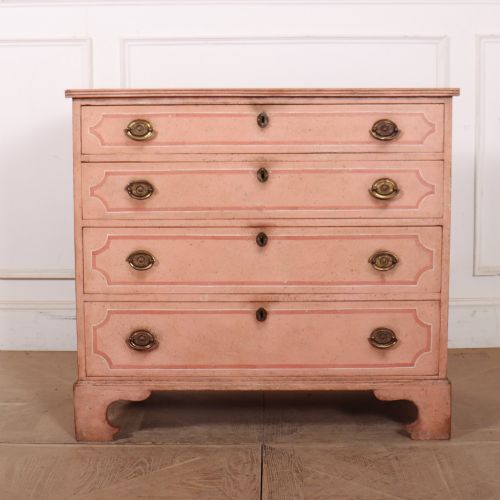
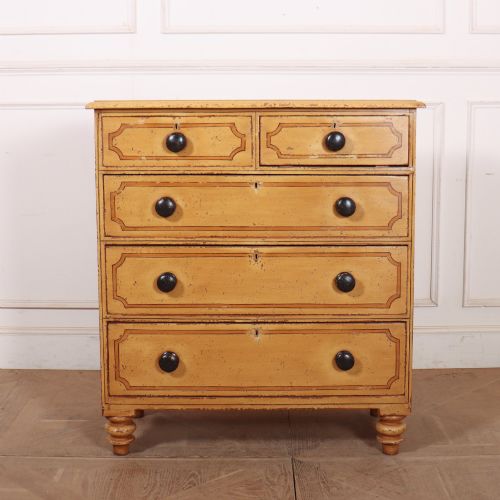
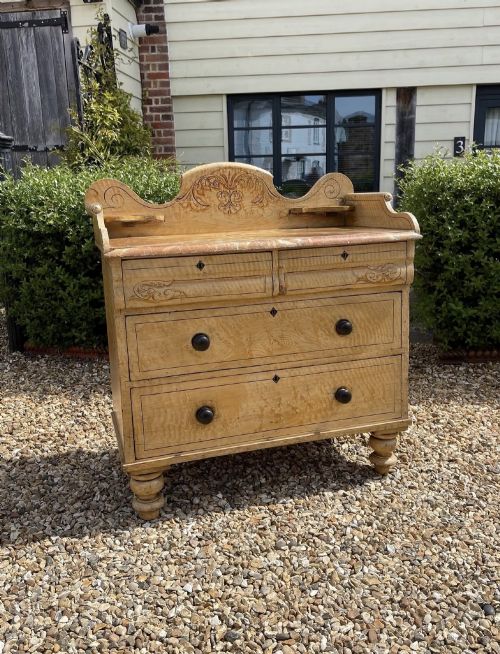

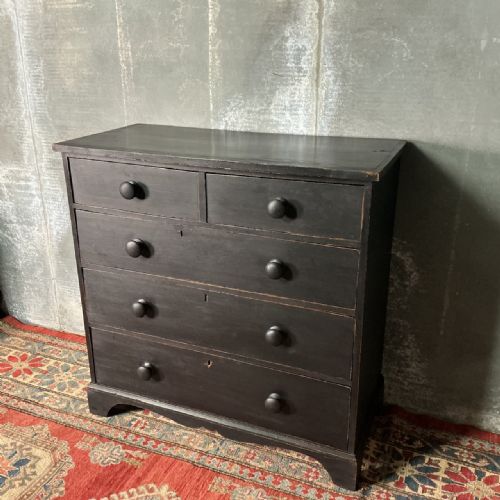
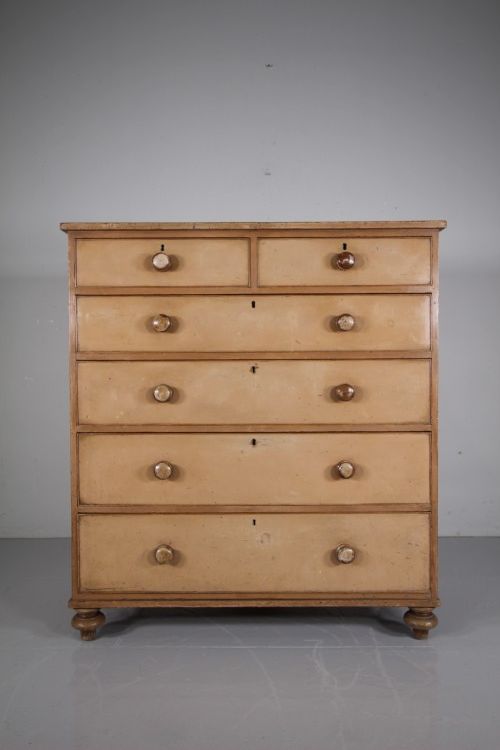
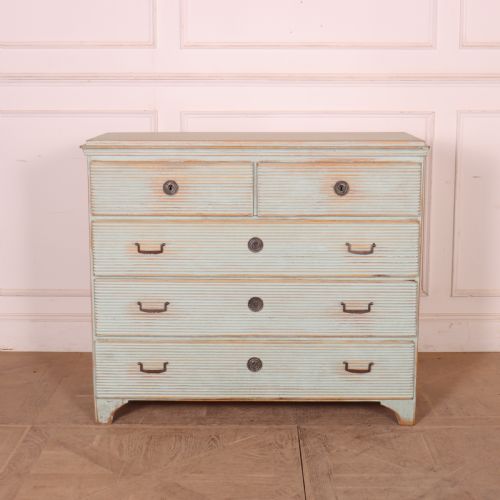
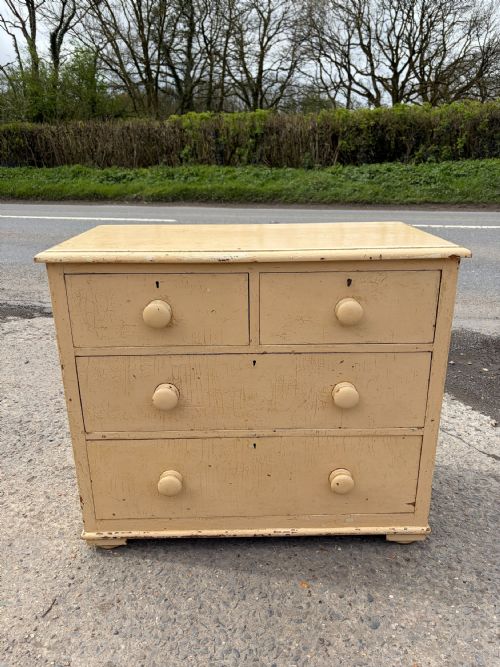
Painted Country Pine Commode
A painted country pine commode brings robust utility and honest charm to a room, offering generous storage wrapped in historical character.
Painted Country Pine Commode
A painted country pine commode is primarily a chest of drawers or cupboard built from softwood and finished with pigment, originating across domestic and regional workshops. These pieces span the nineteenth century, including Victorian, Regency, and later periods from England, Scotland, Wales, Sweden, France, and Austria.
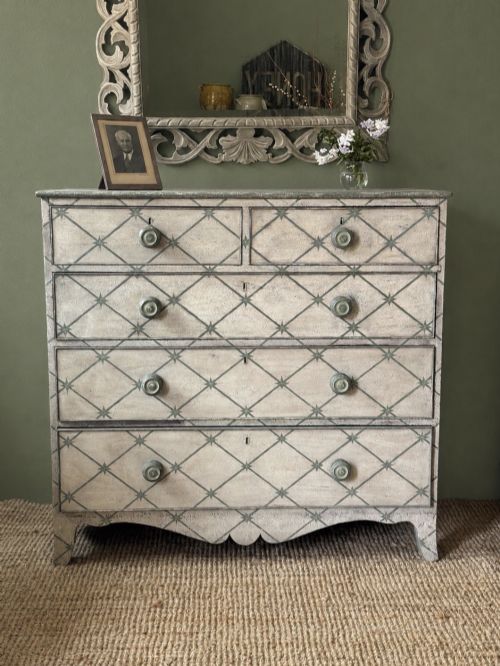
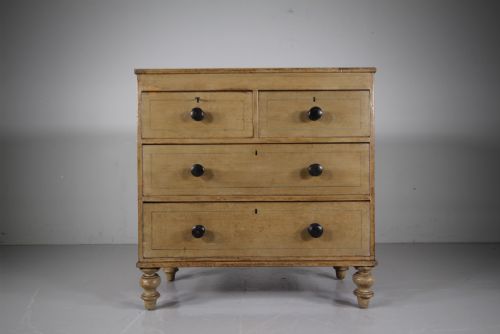
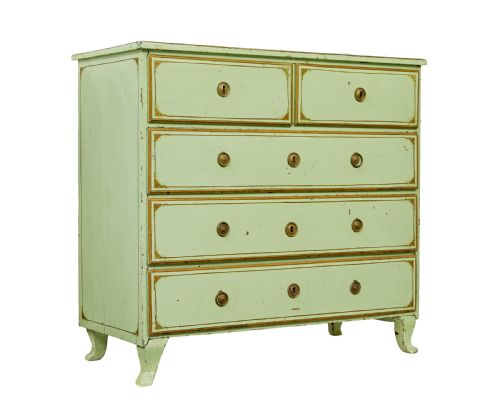
The version most commonly met on this page is the nineteenth-century chest of drawers, often arranged in two-over-two or two-over-three drawer configurations. Alongside these standard drawer chests, buyers encounter washstands, cupboards, and commodes featuring specific regional details such as fluted drawer fronts or diamond-point panels.
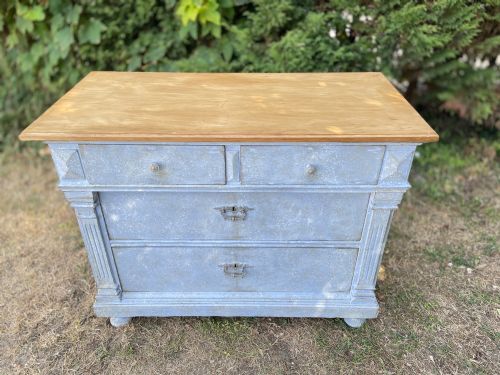
Makers and regional traditions dictate the distinct visual language of each piece, ranging from English scumbled surfaces to Scandinavian light grey or blue painted finishes. Every example serves as a practical storage vessel shaped by the aesthetic preferences of its local vernacular.
Materials and Technique
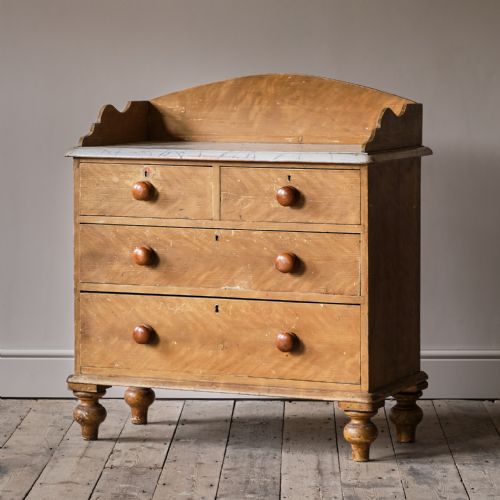
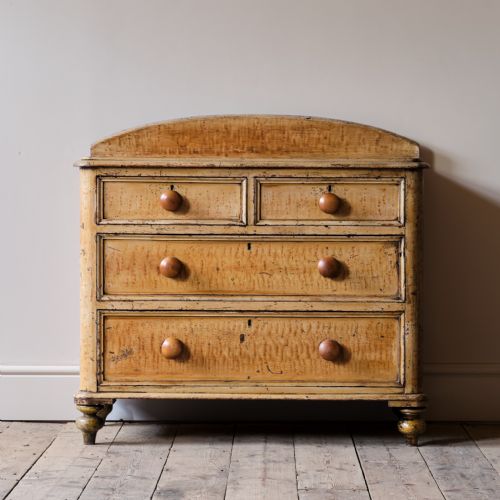
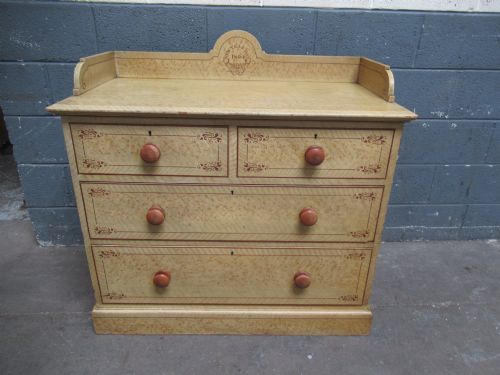
Construction relies predominantly on pine and painted wood, assembled with iron and brass hardware such as drawer pulls and hinges. Surfaces received layers of lead- or oil-based paint, sometimes applied to simulate more expensive timbers like birch or finished with scumble glazes.
Techniques varied from simple hand-painted coats to decorative scraping and graining designed to mimic figured woods. Cabinetmakers utilised sturdy dovetail joints for drawers and panel construction that allowed the softwood timber to expand and contract with seasonal temperature shifts.
Listings feature pine chests spanning the nineteenth century, with Victorian examples frequently showing scumbled or solid colour finishes.
Assessing Quality
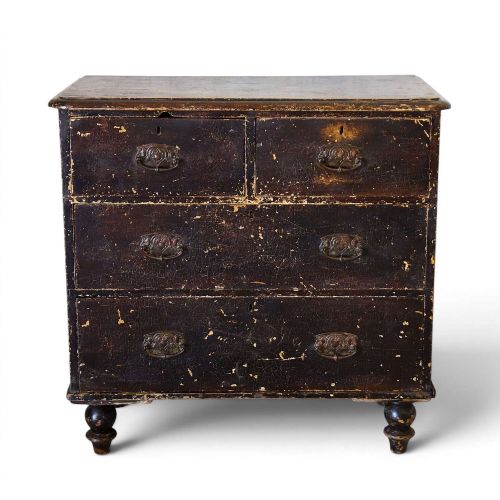
Quality rests in the survival and integrity of the original paint surface, distinguishing untouched historical finishes from later overpainting. Pieces retaining their scraped scumble, regional blue, green, or grey pigments command closer attention from collectors.
Structural refinement also separates standard utility furniture from finer vernacular examples, visible in carved drawer fronts, fluting, and well-proportioned cornices. The harmony between the timber carcase and its decorative paint layer determines the overall visual weight of the commode.
Gemla Fabrikers
The Painted Country Pine Commode Glossary
- Scumble paint
- A translucent glaze manipulated with combs, rags, or brushes over a lighter base coat to imitate the grain of richer woods like oak or birch. This decorative technique protects the pine underneath while adding visual depth.
- Commode
- A low chest of drawers or cabinet designed for domestic storage. In country contexts, the term frequently overlaps with standard bedroom drawer units and washstands.
- Washstand
- A specialised piece of furniture built to hold a wash basin and pitcher, often incorporating small drawers or lower shelves. These items form a distinct subset of the pine storage pieces found in nineteenth-century interiors.
- Gustavian style
- The Swedish interpretation of French neoclassical design, characterised by pale painted surfaces and restrained ornamentation. Pieces from this tradition often display light grey, white, or cream pigments.
- Diamond-point commode
- A cabinet or chest featuring geometric, faceted projections across the drawer fronts or door panels. This intricate joinery creates a strong three-dimensional texture.
Painted Country Pine Commode: Frequently Asked Questions
What is a painted country pine commode?
A painted country pine commode is a nineteenth-century storage chest or cupboard constructed from softwood and finished with traditional pigmented coatings. These utilitarian pieces were produced across various European regions to serve everyday household storage needs.
Over time, the protective paint layers have aged to create appealing patinas that define the rustic aesthetic of country furniture today.
How were these commodes originally used?
Households utilised these chests primarily in bedrooms, hallways, and living spaces to store linens, clothing, and domestic goods. Washstand variants held ceramic basins and water pitchers for morning personal grooming before modern plumbing.
Their robust construction made them reliable daily workhorses in rural homes across England, Scotland, and Scandinavia.
How do I live with a painted pine commode?
Integrating a painted pine commode into a modern interior is straightforward because the neutral or coloured pigments complement both contemporary and traditional spaces. Use the top surface for lamps or display items while keeping the deep drawers functional for everyday storage.
Keep the timber away from direct heat sources and sudden humidity changes to protect the fragile historic paint layers from cracking.
How do I identify Swedish pieces?
Swedish commodes from the nineteenth century typically display lighter colour palettes, including soft greys, blues, and off-white tones derived from Gustavian design influences. Makers occasionally incorporated sophisticated details like fluted drawer fronts or restrained neoclassical carvings.
Regional construction methods and distinct paint scraping techniques further set these Scandinavian examples apart from British country furniture.