


Painted Ceramic Spill Vase
A painted ceramic spill vase is a slender vessel made to hold tapers for lighting fires, combining utility with miniature hand-painted art.
Painted Ceramic Spill Vase
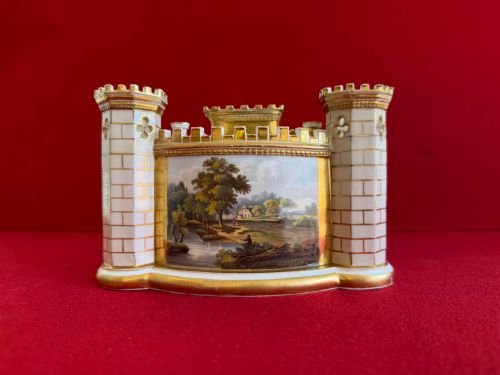
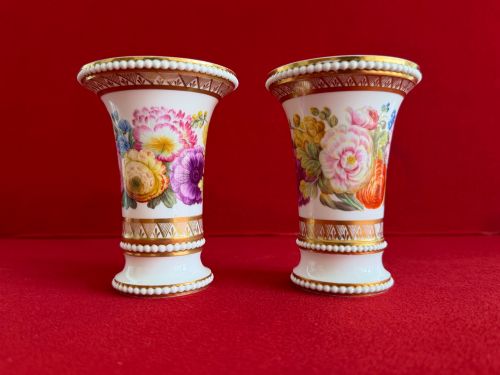
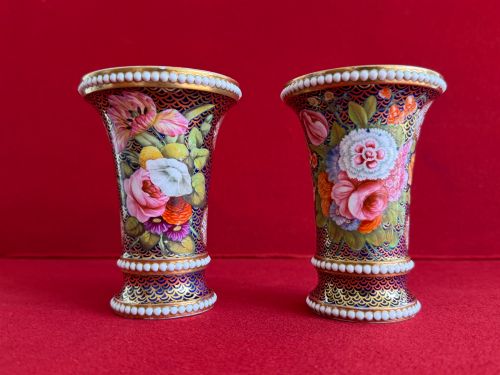
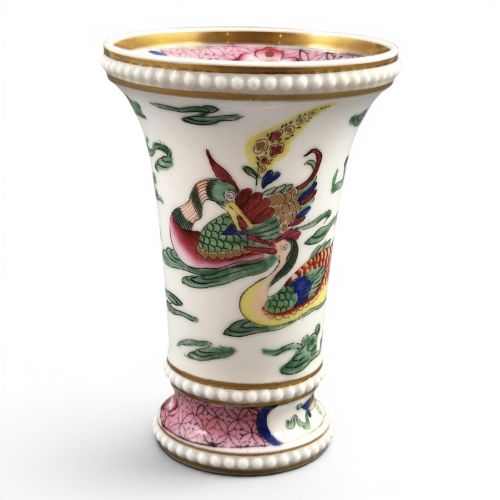
When you search for a painted ceramic spill vase, you encounter nineteenth-century English pottery, porcelain, and earthenware pieces designed to hold wooden tapers near a fireplace. The examples on this page span the Georgian, Victorian, and Edwardian eras, alongside Japanese Imari wares brought to the British market.
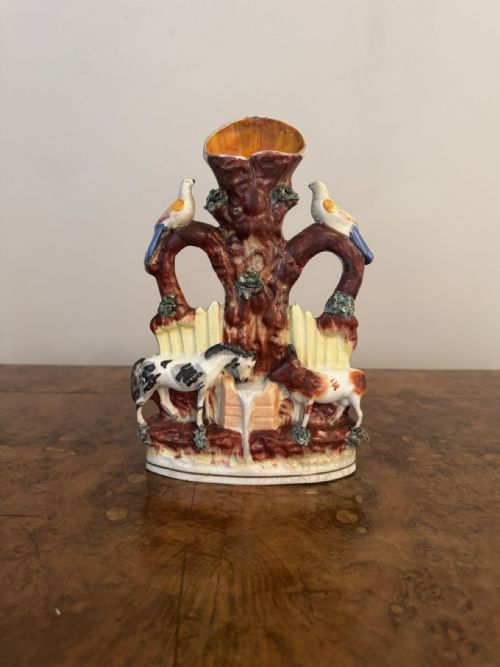
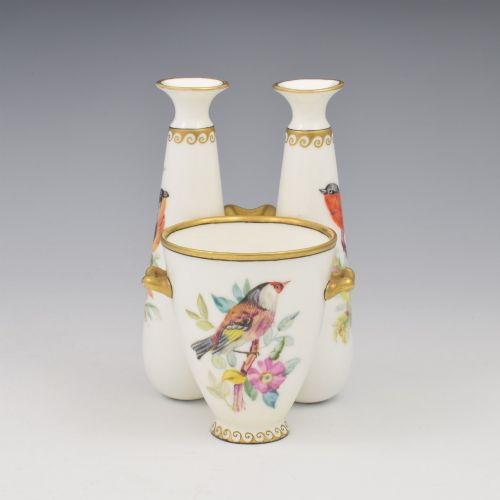
The most common forms are Staffordshire figure groups incorporating holders, alongside named factory productions from makers such as Royal Worcester. They range from utilitarian household items to finely detailed cabinet pieces featuring hand-painted birds, cattle, fruit, and floral scenes.
How They Were Made
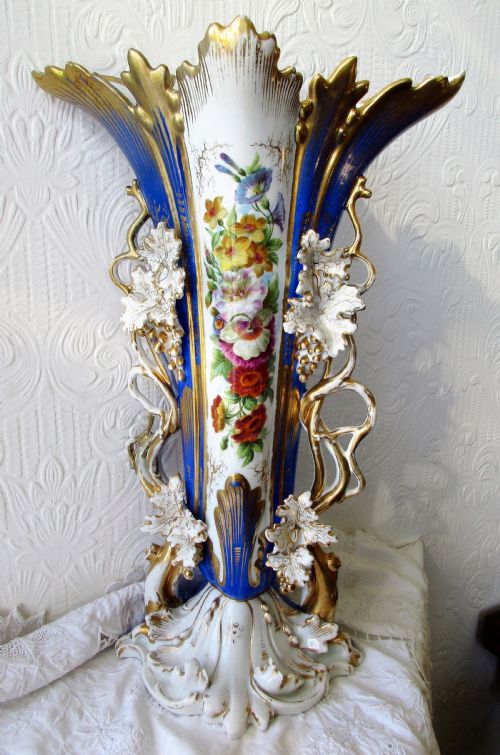
Potters shaped these vessels using earthenware or porcelain bodies, frequently applying a smooth glaze before hand-painting botanical or figurative scenes. Many pieces incorporate gilt, gold leaf, or delicate enamel highlights to accent the modelled forms.
Factory pieces relied on skilled artists signing their work, while Staffordshire potters moulded earthenware figures and flatbacks with vibrant underglaze and enamel colours. Bisque porcelain versions offered an unglazed, matte finish reminiscent of carved marble.
Listings feature porcelain, earthenware, and bisque pieces spanning the Victorian, Edwardian, and Georgian periods.
What Varies in Quality
The distinction between standard domestic pottery and exceptional works rests upon the fidelity of the hand-painting and the renown of the artist. Pieces signed by recognised painters command greater attention than unmarked factory wares.
Royal Worcester·Vion et Baury·Spode
The Painted Ceramic Spill Vase Glossary
- Spill
- A slender slip of wood or paper used for transferring a flame from a fire to a candle or pipe. These vessels were specifically manufactured to hold bundles of them.
- Staffordshire flatback
- A pottery figure designed with a finished front and a largely unpainted, flat back meant to stand against a wall on a mantelpiece.
- Bisque
- Unglazed white porcelain fired to a matte texture that highlights delicate sculptural modelling without the distraction of glossy finishes.
- Imari
- A style of Japanese decorative ceramic characterised by underglaze blue and iron red, supplemented with gilt and frequently imitated in nineteenth-century Europe.
- Cornucopia
- A horn-shaped vessel symbolising abundance, often adapted in porcelain and earthenware during the Regency and Victorian periods to serve as a vase or holder.
Painted Ceramic Spill Vase: Frequently Asked Questions
What is a spill vase?
A spill vase is a small container designed to hold thin wooden tapers used to carry a flame from the hearth to lamps and candles. Before matches became common, these holders sat neatly on mantelpieces.
Over the nineteenth century, they evolved from simple practical cylinders into ornate porcelain and earthenware ornaments painted with birds, flowers, and figures.
How do I date a Victorian spill vase?
Dating relies on the style of the modelling, the factory marks underneath, and the specific palette of the hand-painting. Victorian Staffordshire pieces often feature rustic figure groups and hollow bases.
Factory pieces from makers like Royal Worcester frequently bear printed date ciphers or artist signatures. Comparing the decorative motifs to known periods helps narrow the decade of production.
Where were these vases displayed?
These pieces traditionally sat on mantelpieces in the principal rooms of nineteenth-century homes, placed conveniently close to the hearth. Their dual purpose allowed them to serve as ornaments while keeping tapers within arm's reach.
Later collectors often placed them in cabinets or on side tables to showcase the delicate hand-painted fruit and ornithological scenes.
Are Staffordshire spill vases hand painted?
Staffordshire spill vases and flatbacks were hand-painted over a moulded earthenware base using bright enamel colours. While factory wares featured trained ceramic artists, Staffordshire figures employed swift, robust brushwork by local decorators.
This technique gives each figure group an individual character, as no two pieces received identical brush strokes or colour applications.