



Padded Lounge Chair
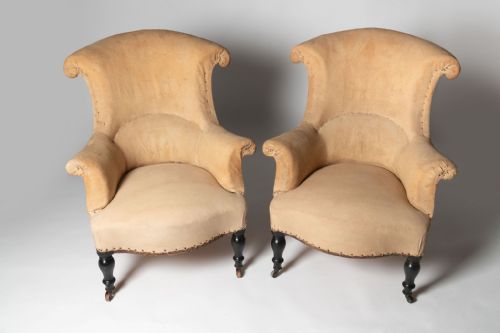
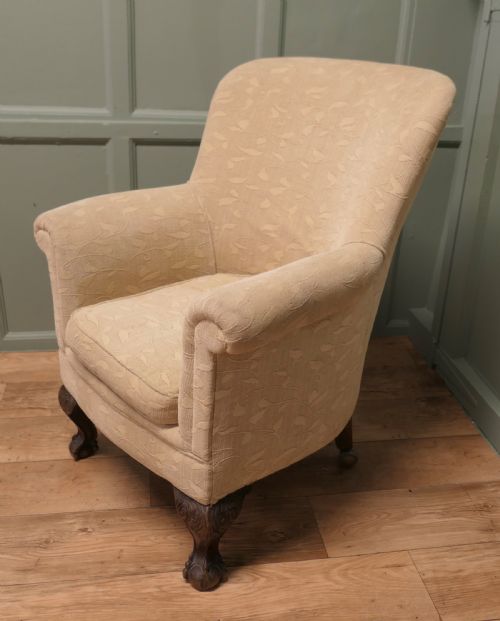
A padded lounge chair offers deep upholstery and comfortable seating, bringing nineteenth-century and early twentieth-century domestic comfort into a modern room.
Padded Lounge Chair
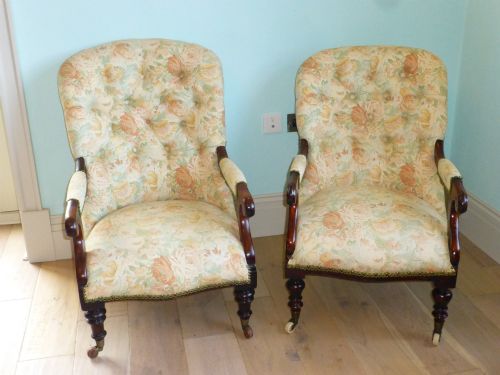
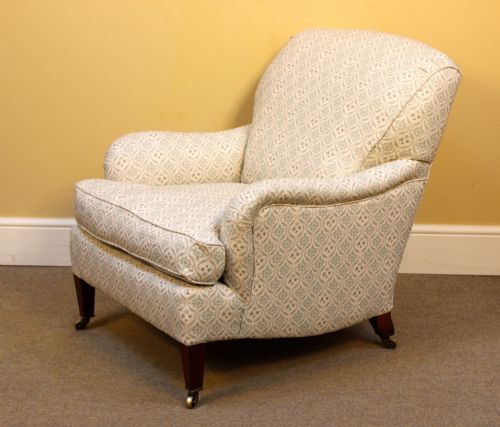
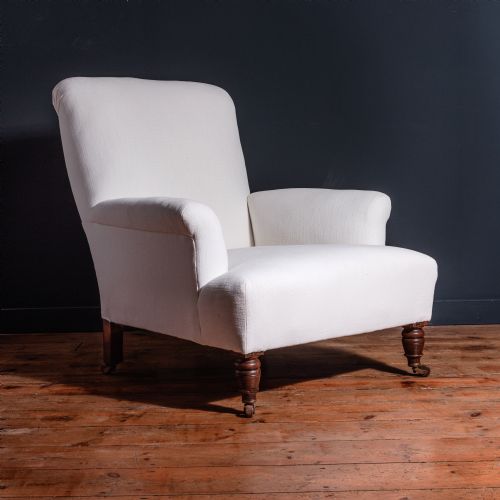
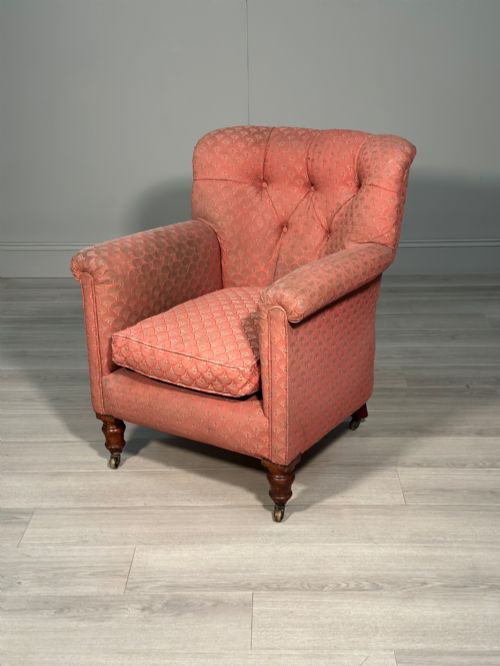
When searching for a padded lounge chair, buyers encounter various seating forms including button back armchairs, club armchairs, tub chairs, and fireside chairs. These pieces span periods from the nineteenth century through the Edwardian era and into the 1930s, reflecting diverse domestic uses.
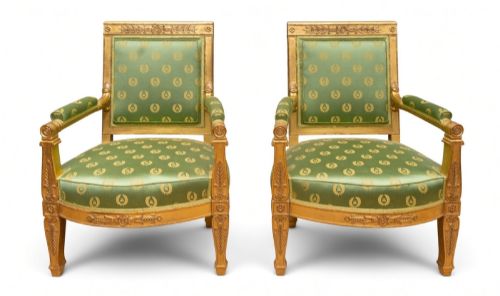
The most common examples on this page are nineteenth-century and Victorian armchairs, alongside later Bridgewater style chairs and Arts and Crafts designs. English country house styles and French interpretations, such as Napoleon III and Louis Quinze styles, also appear frequently.
Makers and workshops range from notable firms like Howard and Sons and Morris & Co to specific makers such as George Jack and J.Mills, alongside French pieces associated with Jacob-Desmalter.
Materials and construction
Frames utilise solid woods including mahogany, walnut, oak, and timber, often with exposed show frames or giltwood finishes. Brass details occasionally appear on castors or decorative mounts.
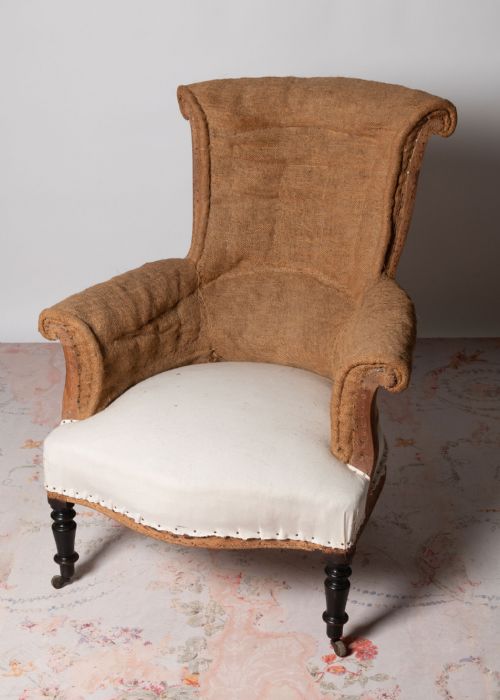
Upholstery relies on traditional support structures utilising hessian and padding beneath outer textile coverings. Outer fabrics include velvet, leather, and various woven textiles secured with button backing techniques.
Padded Lounge Chair Retail Price Guide 2026
Typical asking prices for padded lounge chair among the pieces listed under this phrase on Sellingantiques today, from the lower quarter to the upper quarter. They describe what is for sale here now, not the wider market.
Listings feature frames constructed from mahogany, walnut, oak, and timber, upholstered in fabric, velvet, hessian, and leather.
Distinctions in quality
Quality rests upon the integrity of the wooden framework and the precision of the joinery beneath the upholstery. Pieces featuring solid mahogany, walnut, or oak frames demonstrate superior foundational construction compared to simpler timber carcases.
The standard of upholstery work and the choice of covering materials dictate the refinement of the piece. Fine button back detailing, substantial padding, and well-executed show frames distinguish superior examples.
Howard and Sons·Morris & Co·Jacob-Desmalter·J.Mills
The Padded Lounge Chair Glossary
- Button back
- An upholstery technique where depressions are formed in the padding by stitching through to secure buttons, creating a tufted surface.
- Show frame
- A wooden structural frame left partially visible around the upholstered sections of an armchair.
- Club armchair
- A deep, heavily padded lounge chair designed for comfort, often associated with nineteenth-century and Edwardian seating.
- Tub chair
- An armchair featuring a rounded, enclosed back and arms that form a continuous curved enclosure.
- Fauteuil
- An open-armed French armchair with an exposed wooden frame, typically dating from historical periods such as the Restauration.
Padded Lounge Chair: Frequently Asked Questions
What is a padded lounge chair?
A padded lounge chair is an upholstered seat designed for relaxation, appearing across Victorian, Edwardian, and early twentieth-century designs.
These chairs incorporate sprung or stuffed cushions, padded backs, and armrests supported by timber frames made from mahogany, walnut, or oak.
How do I identify a Victorian armchair?
Victorian armchairs often feature dark wood frames, button-backed upholstery, and turned or cabriole legs. They were built for formal parlours or comfortable studies.
Materials commonly include mahogany and walnut paired with heavy velvet or fabric coverings.
What is a Bridgewater style armchair?
A Bridgewater style armchair is a comfortable, informally padded seat known for its rolled arms and loose cushion design. They emerged in various sizes during the late nineteenth and early twentieth centuries.
These chairs suit relaxed domestic spaces like country house libraries and sitting rooms.
How do I care for antique upholstery?
Care for antique upholstery involves gentle vacuuming with a soft brush attachment and avoiding direct sunlight to protect fabrics like velvet and leather. Wooden show frames require occasional dusting with a dry cloth.
Keeping the chair away from direct heat sources prevents the timber from drying and cracking.