

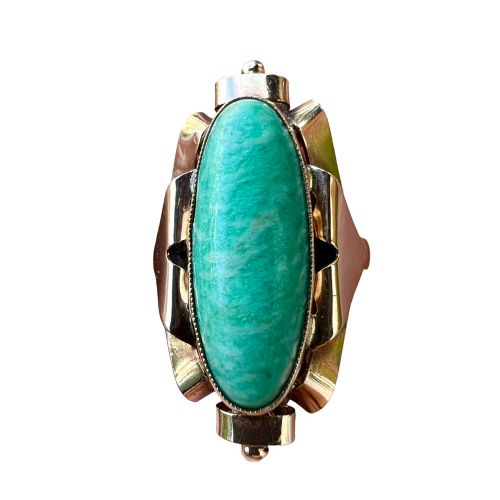

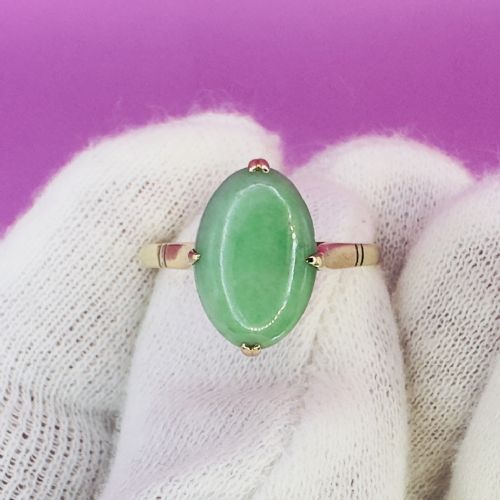
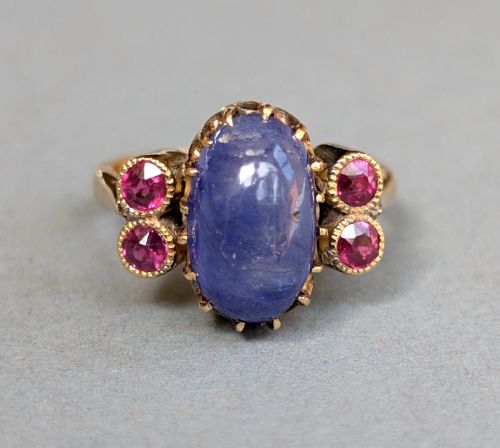
Oval Stone Ring
An oval stone ring brings together enduring geometric proportion and the natural depth of coloured gems across Victorian, Edwardian, and mid-century periods.
Oval Stone Ring
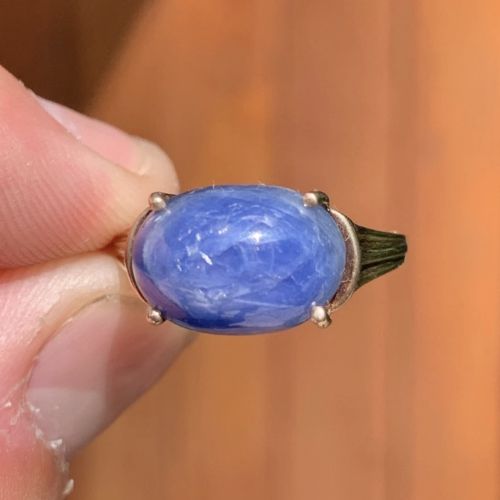
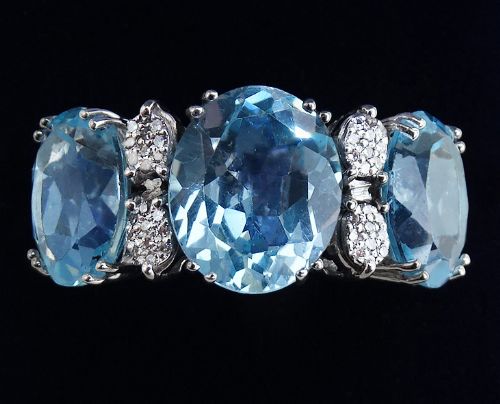
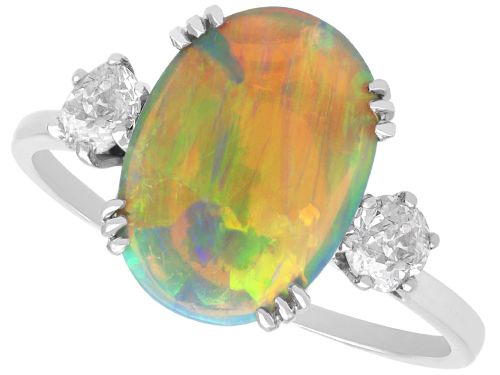
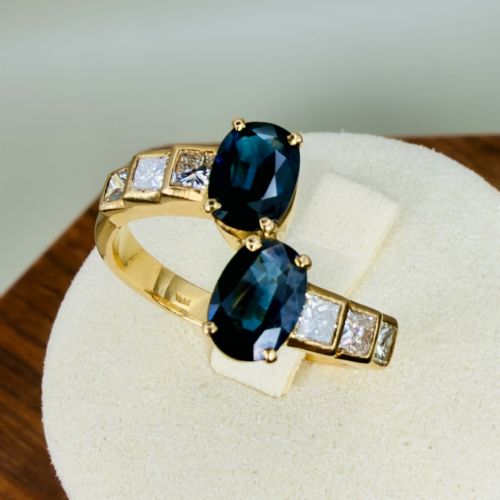
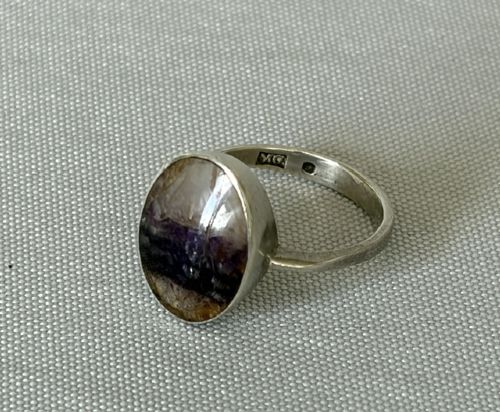
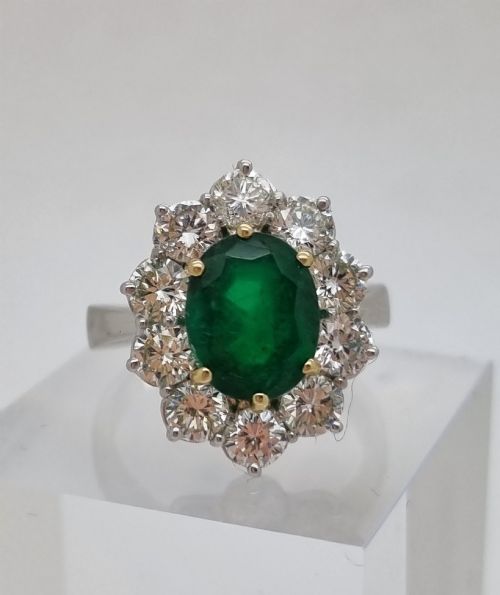
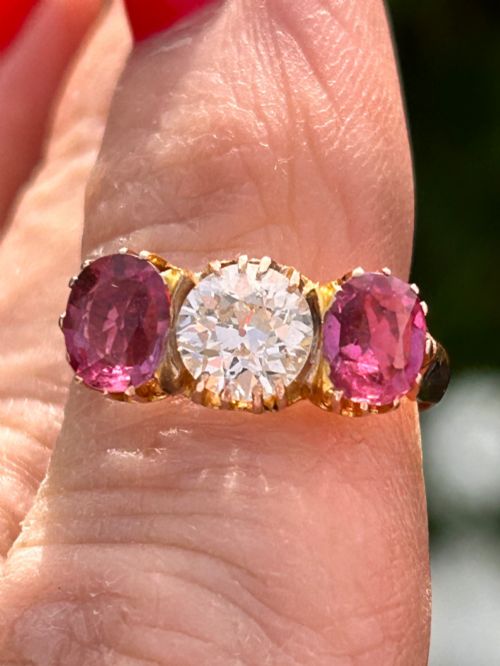
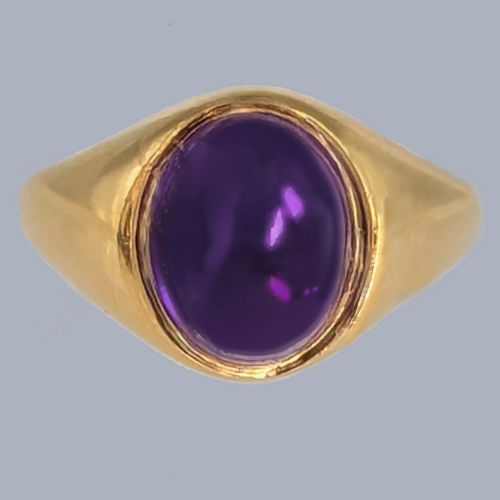
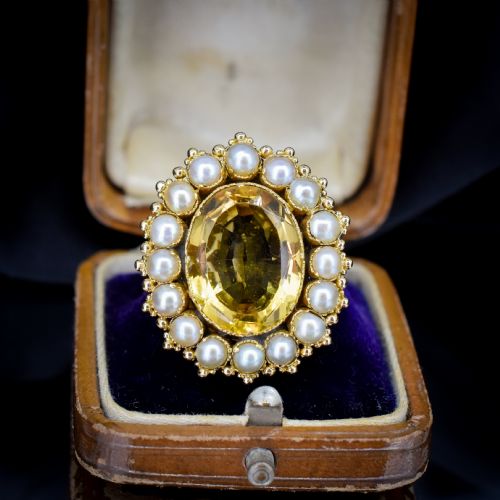
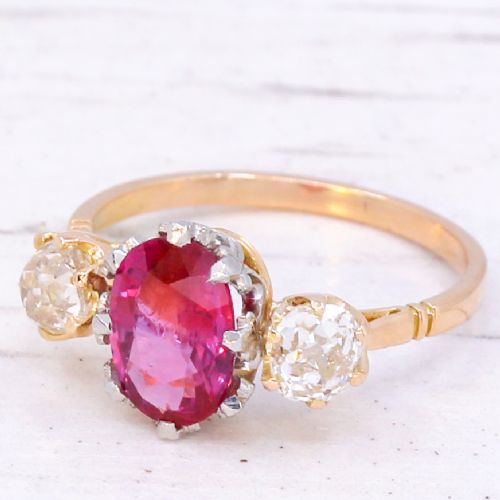
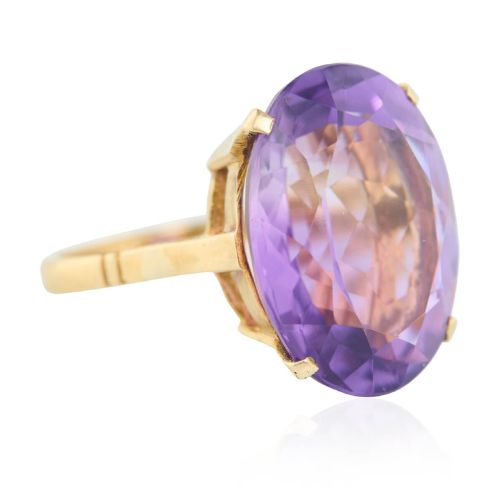
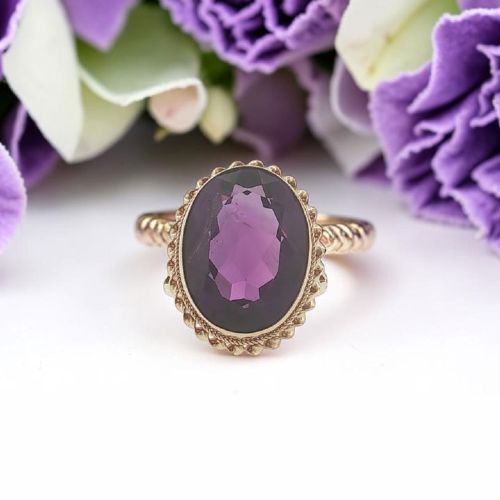
An oval stone ring is a finger ornament centred on an elliptical gemstone, appearing in styles from Victorian cluster designs to mid-century cocktail pieces.
Buyers encountering this phrase will most frequently find sapphire, amethyst, emerald, and aquamarine stones set in either 9ct gold, 18ct gold, or platinum.
These pieces range from delicate solitaire and trilogy settings to substantial multi-stone halo clusters spanning the nineteenth century through the nineteen-sixties.
How they were made
Goldsmiths shaped mountings from 9ct and 18ct gold, platinum, and white gold, often combining platinum settings with yellow gold shanks during the art deco and mid-century periods.
Gemstones received oval, cabochon, or faceted cuts to maximise light return and colour distribution, secured by claw or bezel settings alongside pavé-set diamond accents.
Oval Stone Ring Retail Price Guide 2026
Typical asking prices for oval stone ring among the pieces listed under this phrase on Sellingantiques today, from the lower quarter to the upper quarter. They describe what is for sale here now, not the wider market.
One persistent eighteenth-century red carnelian ring proves that an oval stone can hold a conversation across three centuries.
What varies in quality
The standard depends upon the natural saturation and clarity of the central gem, alongside the integrity of the original metalwork and hallmarking.
Design execution distinguishes standard production items from master-finished examples, particularly in the precision of the claw work and the matching of surrounding diamond melee.
The Oval Stone Ring Glossary
- Cabochon
- A gemstone shaped and polished with a smooth, convex domed surface rather than faceted edges. This treatment is frequently seen on sapphires, amethysts, and jade within these listings.
- Trilogy
- A ring setting featuring three primary gemstones arranged in a row upon the band. They frequently combine a central coloured stone flanked by diamonds.
- Cluster
- An arrangement where a central stone is encircled by a border of smaller gems, typically diamonds. This layout maximises visual presence on the hand.
- Solitaire
- A mounting designed to showcase a single gemstone without additional flanking stones. This form places total emphasis on the colour and cut of the central oval.
Oval Stone Ring: Frequently Asked Questions
What periods do these rings come from?
The pieces span from the 19th century through the 1960s, encompassing Victorian, Edwardian, Art Deco, and mid-century modern eras.
Each period brings distinct metal choices and setting styles, from early gold solitaires to platinum and white gold diamond clusters.
How do I care for an antique ring?
Gentle cleaning with warm soapy water and a soft brush maintains the metal and stone surfaces.
Softer gems like opal, pearl, and turquoise require extra care and should be kept away from harsh chemicals and ultrasonic cleaners.
Are these gemstones treated?
Many listings specify unheated or natural gems, particularly among higher-carat sapphires and rubies.
Natural stones without heat treatment carry particular distinction among collectors of antique and vintage jewellery.
How do I determine the ring size?
Sizes are measured on standard mandrel gauges and recorded in international ring size letters or numbers.
Many metal bands can be adjusted by a skilled jeweller, though intricate cluster galleries require careful handling.