


Oval Sapphire Jewellery
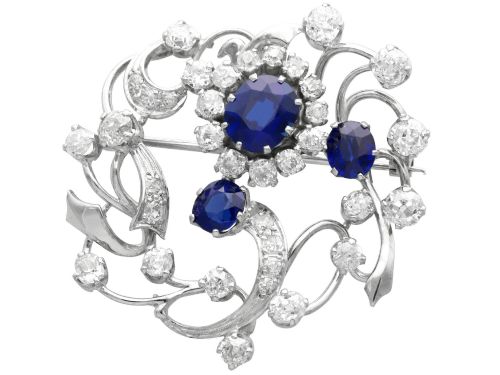
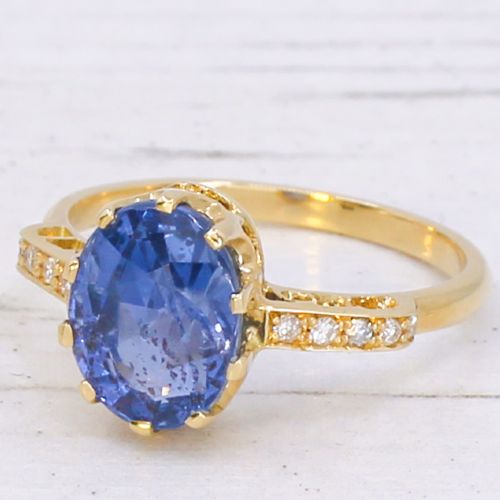
Oval sapphire jewellery brings together deep blue gems and diamond accents in rings, brooches, and pendants spanning the early twentieth century to the mid-century.
Oval Sapphire Jewellery
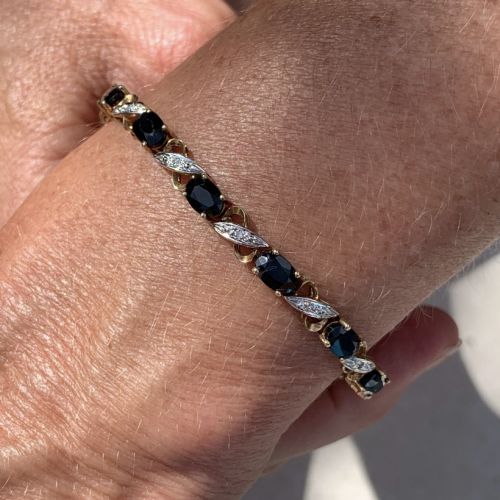
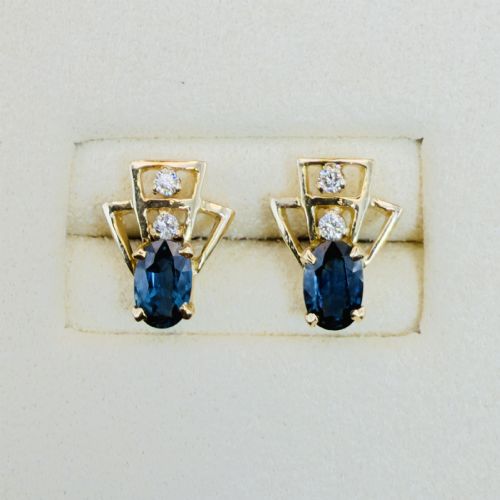
When you examine oval sapphire jewellery, you encounter clusters and solitaires framed by diamonds in rings, earrings, brooches, and bracelets. These pieces emerge predominantly from periods such as the Edwardian era, the 1920s, Art Deco designs, and the 1950s and 1960s.
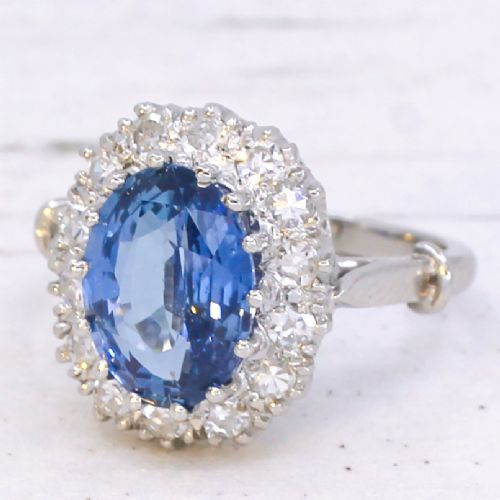
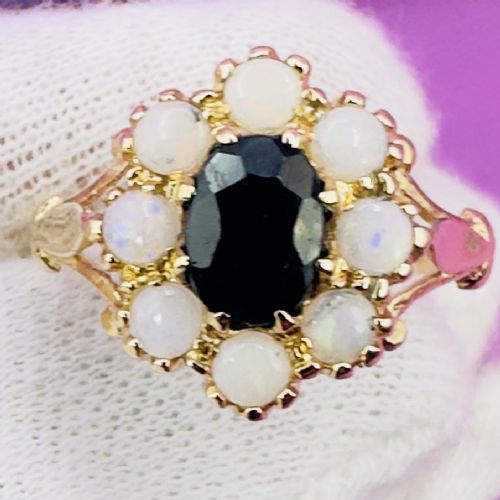
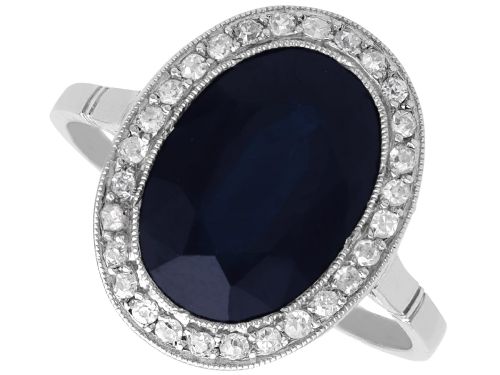
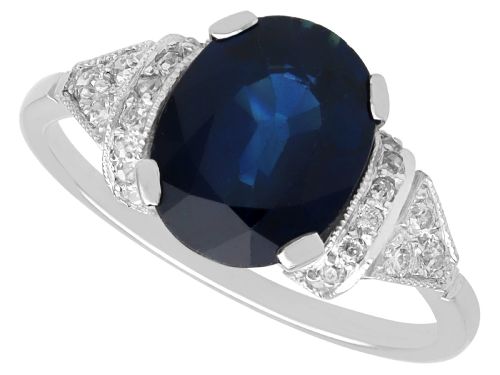
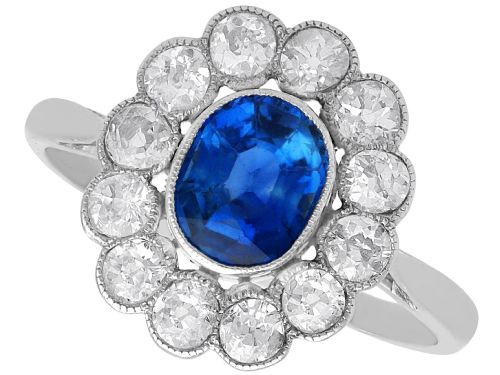
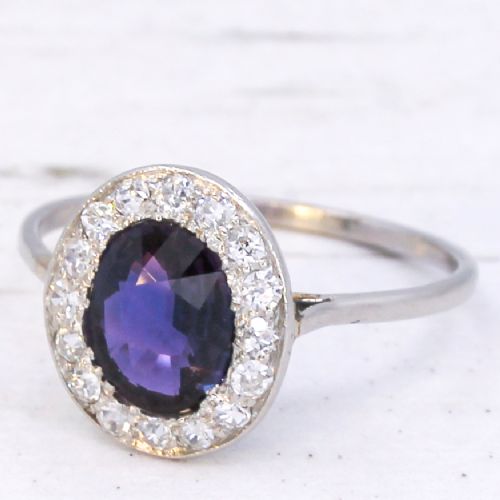
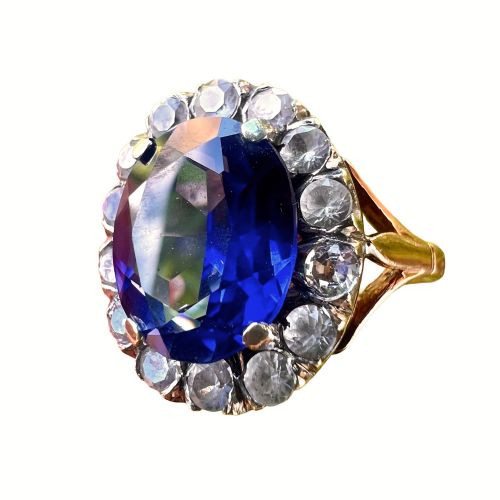
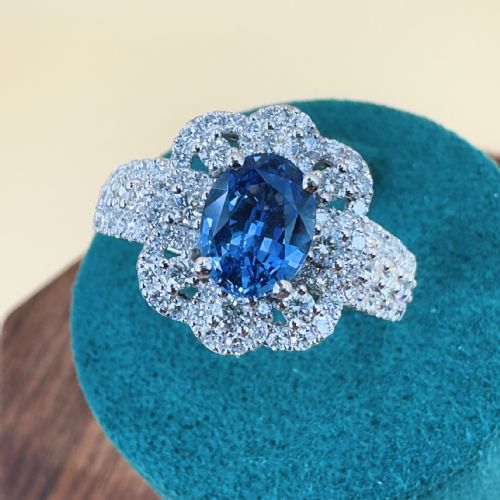
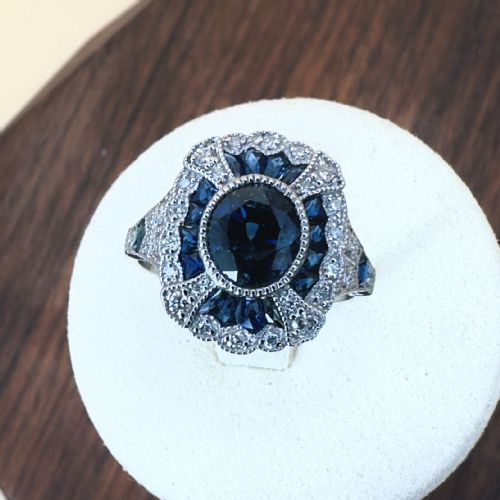
The most common form on this page is the cluster ring, where a central oval sapphire is encircled by a halo of diamonds. Such rings pair the intense blue of the stone with platinum, white gold, or yellow gold settings.
Materials and Techniques
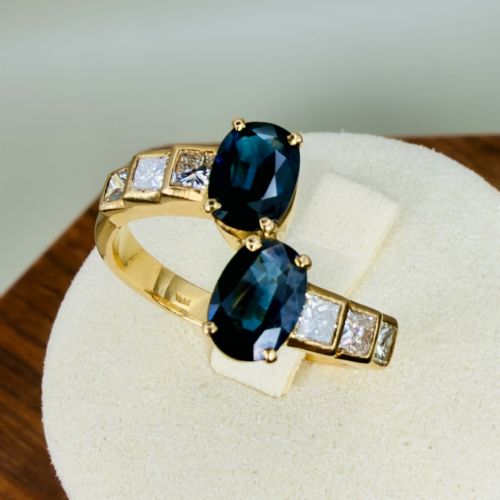
Goldsmiths set oval sapphires alongside diamonds using platinum and gold alloys, including 18ct yellow gold, 18ct white gold, and 14ct gold. Platinum mountings became particularly common during the Edwardian and Art Deco periods to hold delicate stone settings securely.
Stones are shaped into oval cuts to maximise light return and colour depth. Jewellers constructed cluster frames by mounting smaller diamonds closely around the central sapphire to create a substantial floral or halo silhouette.
Oval Sapphire Jewellery Retail Price Guide 2026
Typical asking prices for oval sapphire jewellery among the pieces listed under this phrase on Sellingantiques today, from the lower quarter to the upper quarter. They describe what is for sale here now, not the wider market.
Some rings manage to look like miniature silver-and-gold flower gardens sitting patiently upon your finger.
Evaluating Quality
Quality rests on the origin and treatment status of the sapphire, with unheated stones from sources such as Ceylon or Burma commanding greater attention. The saturation and natural clarity of the sapphire define its visual impact within the setting.
The precision of the metalwork and the matching of the surrounding diamonds influence the overall integrity of the piece. Heavier metal weights and certified stone origins distinguish finer examples from standard production.
Le Vian
The Oval Sapphire Jewellery Glossary
- Basaltic sapphire
- A sapphire originating from basalt geological deposits, typically displaying darker and more saturated blue tones.
- Ceylon sapphire
- A sapphire originating from Sri Lanka, known for a characteristic bright and vivid blue colour.
- Cluster ring
- A ring featuring a central gemstone surrounded by a halo of smaller stones, frequently diamonds.
- Unheated sapphire
- A gemstone that has undergone no thermal enhancement to improve its natural colour or clarity.
- Rose cut
- An antique diamond cut featuring a flat base and a domed crown composed of triangular facets.
Oval Sapphire Jewellery: Frequently Asked Questions
What is oval sapphire jewellery?
It encompasses rings, brooches, earrings, and pendants featuring oval-cut sapphires accented with diamonds. These items date from Victorian, Edwardian, Art Deco, and mid-century eras.
The designs often utilise cluster settings where a central blue gemstone is framed by sparkling diamond halos in gold or platinum.
How do I wear these rings?
Cluster and cocktail rings make a distinct statement on the hand and suit daily wear with appropriate care for older settings. Pairing them with simpler bands lets the central sapphire remain the focal point.
Consider the metal colour of your other accessories when matching yellow gold, white gold, or platinum mountings.
How do I spot an antique setting?
Look for hand-finished details in the metalwork, such as fine millegrain edges and open-back settings characteristic of Edwardian and Art Deco pieces. Platinum was widely utilised during the early twentieth century for its strength in delicate designs.
Maker marks and gold purity stamps can also offer clues to the manufacturing period of the piece.
Are unheated sapphires better?
Unheated sapphires have not undergone artificial thermal treatments to enhance their colour, preserving their natural formation entirely. Collectors often seek out these untreated stones for their rarity and natural origin.
Gemological reports typically accompany these stones to verify their unheated status.