




Oval Miniature Pendant
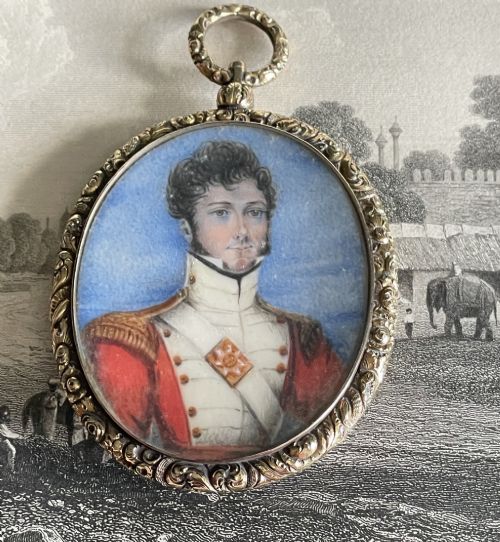
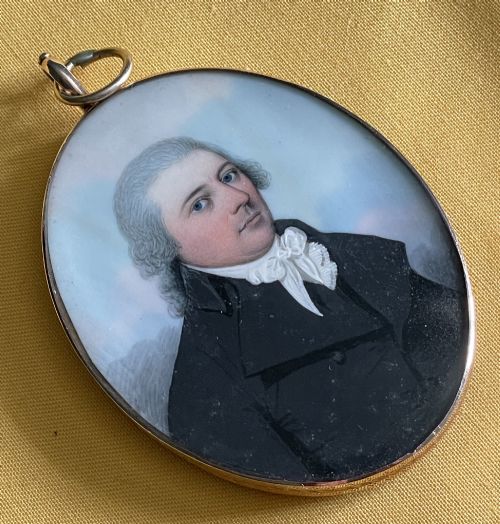
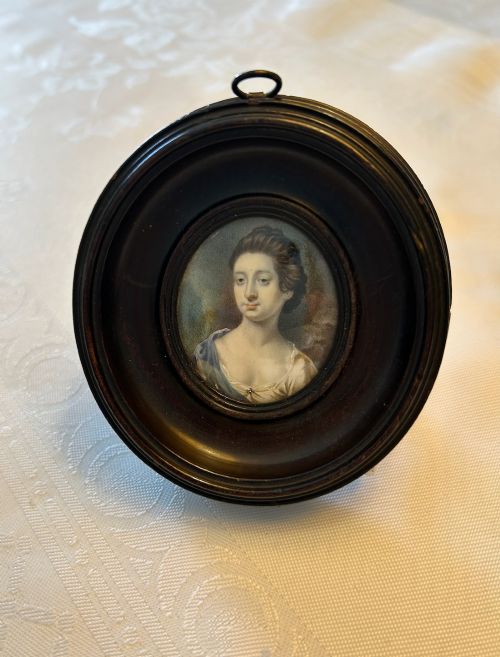
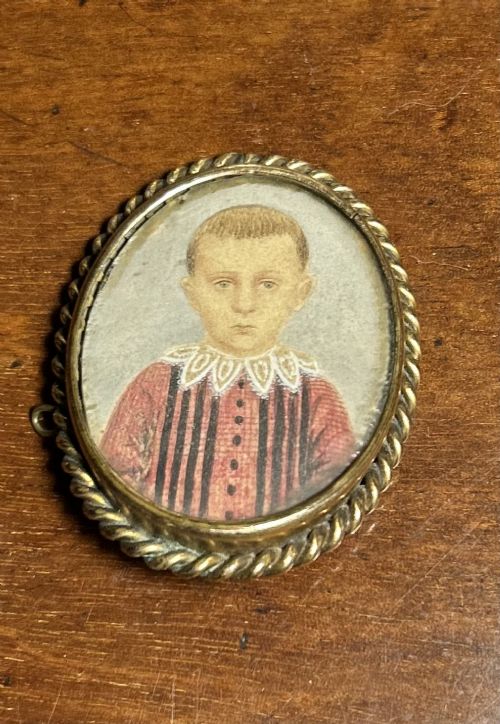
An oval miniature pendant delivers small-scale portraiture you can wear, bringing the presence of 18th-century and 19th-century subjects close to the body.
Oval Miniature Pendant
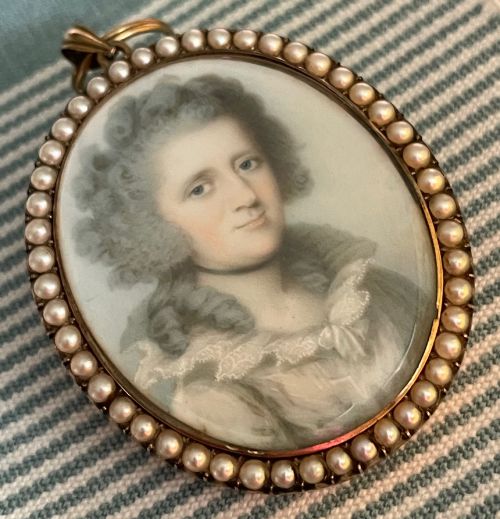
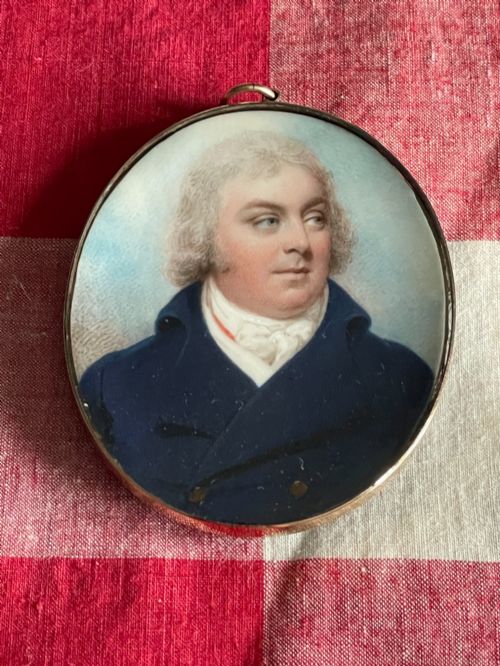
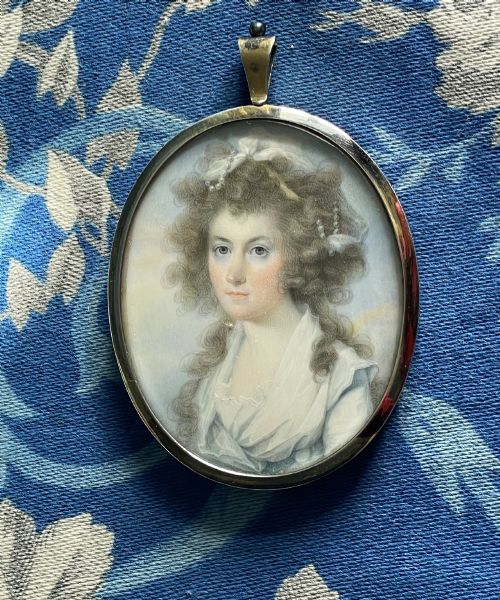
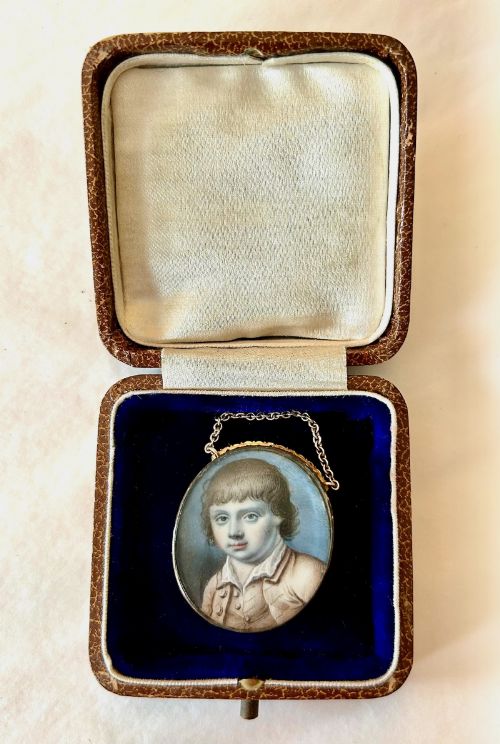
An oval miniature pendant is a portable artwork worn around the neck, housing painted or drawn likenesses within a protective metal frame. These pieces combine portraiture with personal jewellery, functioning simultaneously as miniature paintings and wearable keepsakes.
You will most commonly encounter Georgian and Victorian examples on this page, spanning the 18th century and the 19th century. The subjects range from naval officers and country gentlemen to ladies in lace and young boys, captured in varied styles from Baroque to Neoclassical.
The format usually integrates a suspension loop or pin conversion, allowing a portrait miniature to serve as both pendant and brooch. These versatile mountings demonstrate how historical owners kept likenesses of family members or notable figures visible.
How they were made
The foundational supports of these works include ivory, vellum, glass, ceramic china, and agate panels, prepared specifically to receive delicate pigments. Watercolour, pigment, and enamel were applied with extreme precision using fine-tipped brushes to achieve microscopic facial detail.
Frames and mounts were forged from gold, 18k gold, gilt metal, and silver, often designed to double as brooches or pendants. Metalwork surrounds the painted panel with bezels, scrolling wirework, or ebonised wooden borders to secure the delicate interior.
Oval Miniature Pendant Retail Price Guide 2026
Typical asking prices for oval miniature pendant among the pieces listed under this phrase on Sellingantiques today, from the lower quarter to the upper quarter. They describe what is for sale here now, not the wider market.
Listings feature 18th century, Georgian, 19th century, Victorian, Regency, and 1930 periods alongside styles from Baroque to Art Deco.
What varies in quality
The fineness of the brushwork and the psychological depth of the likeness dictate the artistic standing of the piece. Master miniaturists capture skin tones, lace textures, and expression with convincing realism on a surface measuring only a few centimetres.
The substance and weight of the frame contribute heavily to the overall character. Heavy gold settings and robust suspension loops indicate a commission for a wealthy patron, whereas lighter gilt metal mountings reflect more modest production.
John Donaldson·John C D Engleheart·Frederick Buck·William Wood·Charles Hayter·William Naish·Henry Bone·Elizabeth Hudson·George Engleheart·James Ferguson·John Inigo Wright·AE Chalon·John Barry
The Oval Miniature Pendant Glossary
- Portrait Miniature
- A small painting, typically executed in watercolour on ivory, vellum, or enamel, designed for intimate viewing or personal wear.
- Enamel Miniature
- A portrait fused by heat onto a metal ground using vitreous coloured glass powders, providing lasting brilliance and protection against fading.
- Gilt Metal
- A base metal treated with a thin layer of gold to give the appearance of solid precious metal without the associated cost.
- Ebonised Frame
- Wood that has been darkened and polished to resemble solid ebony, creating a dark border that contrasts with the painted portrait.
- Silhouette
- A filled-in profile portrait, often cut from black paper or painted on glass, popular during the Regency period.
Oval Miniature Pendant: Frequently Asked Questions
How did people wear them?
These pendants were suspended from ribbons or chains around the neck, resting close to the heart as personal tokens of affection.
Many examples feature integrated pin fittings behind the frame, enabling the owner to pin the miniature directly to clothing as a brooch.
What are the portraits painted on?
Artists painted on thin slices of ivory, prepared vellum, glass panels, and occasionally smooth stones like agate.
Enamel versions utilised powdered glass fused to a metal backing by kiln firing, producing a glossy surface that resists degradation.
How do I date a piece?
Hair styles, costume details, and framing conventions provide the primary clues for determining the decade of manufacture.
Georgian pieces often display powdered hair and high-collared coats, while Victorian mountings tend toward heavier bezels and chased decoration.
Can I wear mine daily?
Due to the fragile nature of watercolour on ivory and historical metal settings, these items require careful handling during wear.
Storing them in protective boxes away from direct sunlight preserves the pigments and prevents the delicate frames from sustaining impacts.