






Outdoor Patio Seating
Outdoor patio seating brings enduring form to garden spaces, ranging from weathered stone benches to intricate iron chairs.
Outdoor Patio Seating
Outdoor patio seating encompasses garden benches, chairs, dining sets, and bistro sets designed for exterior use. These pieces serve functional and decorative roles in gardens, terraces, and park settings.
The selections span distinct periods and aesthetics, including Victorian cast iron, French bistro styles, and weathered stone. Buyers frequently encounter nineteenth-century pieces alongside early twentieth-century metalwork and rustic wooden benches.
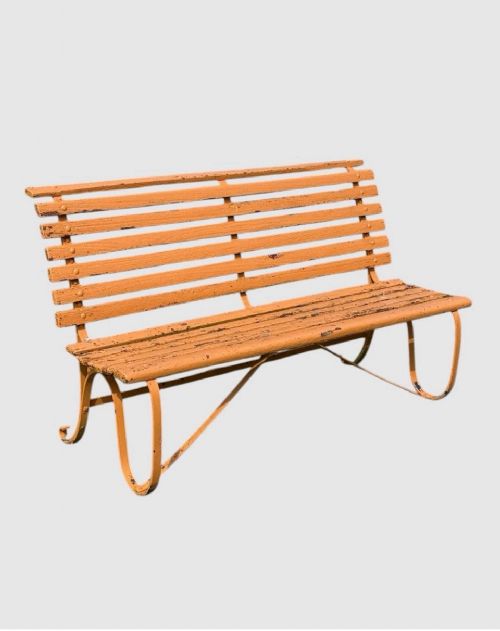
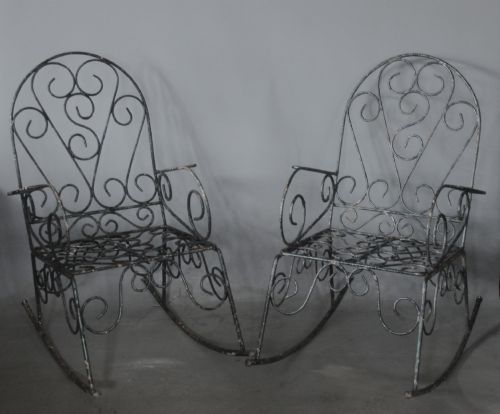
Forms vary from single garden seats and rocking chairs to complete dining sets with matching tables. Pieces often incorporate specific regional influences, such as French folding chairs and Regency strap work designs.
How outdoor patio seating was made
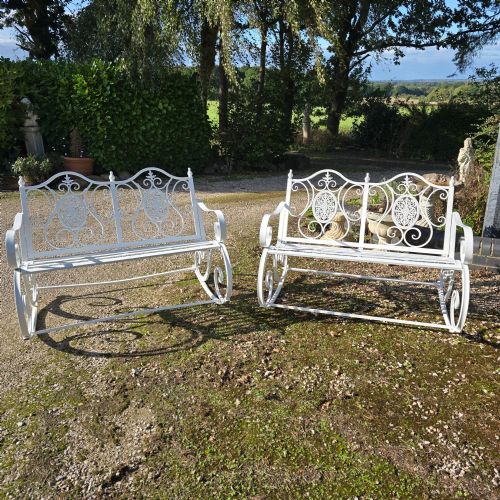
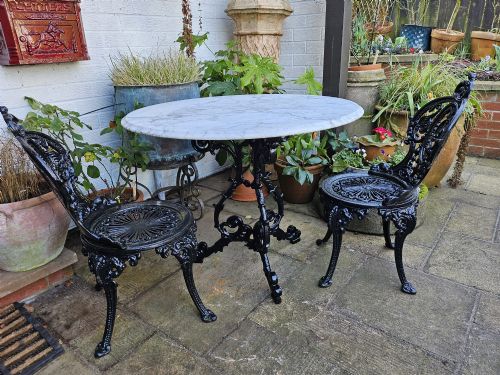
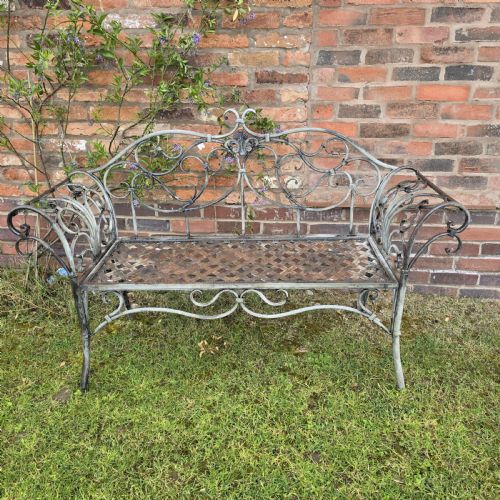
Construction relies heavily on durable metals like cast iron, wrought iron, and wirework, often shaped into structural frameworks and decorative motifs. Foundries cast intricate details such as lion masks and Gothic patterns directly into the metal.
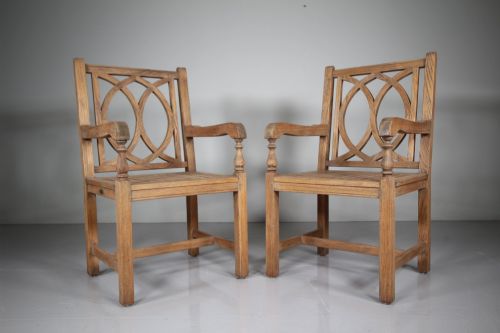
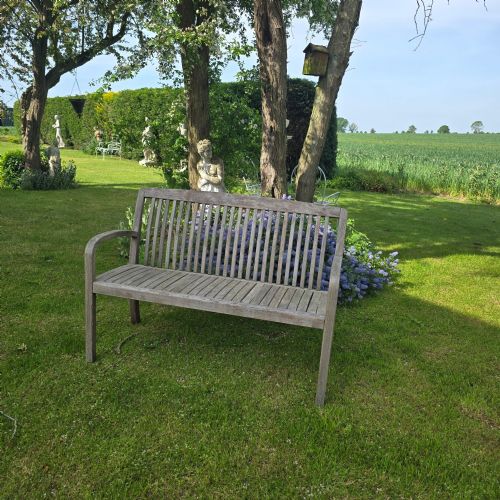
Wood and stone appear frequently, utilising teak and weathered stone to build heavy benches and architectural seats. Marble tops are integrated into bistro tables, combining stone surfaces with metal bases.
Outdoor Patio Seating Retail Price Guide 2026
Typical asking prices for outdoor patio seating among the pieces listed under this phrase on Sellingantiques today, from the lower quarter to the upper quarter. They describe what is for sale here now, not the wider market.
Some nineteenth-century polo club chairs survived international travel from Calcutta before finding new life on British patios.
What varies in quality
Quality separates through the crispness of cast iron detailing and the integrity of the underlying metalwork. Finer examples display sharp, well-defined motifs like Gothic tracery or animal masks rather than softened, worn castings.
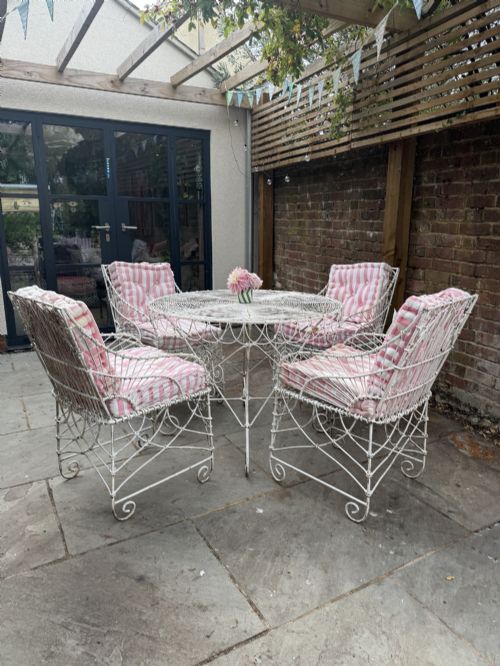
The cohesion of matched sets and the substance of materials dictate the upper tier of the range. Complete configurations, such as tables paired with four original chairs, hold greater architectural and historical weight than assembled groups.
Christopher Dresser·Val D'osne
The Outdoor Patio Seating Glossary
- Cast iron
- Iron poured into a mould to create rigid and ornate garden furniture. This technique allowed Victorian makers to produce complex botanical and architectural reliefs.
- Wrought iron
- Iron heated and hammered into shape by hand. This material provides strong, slender profiles for garden chairs and structural framework.
- Strap work
- Flat strips of metal interwoven or applied in geometric patterns. This decorative technique often defines Regency style outdoor seating.
- Wirework
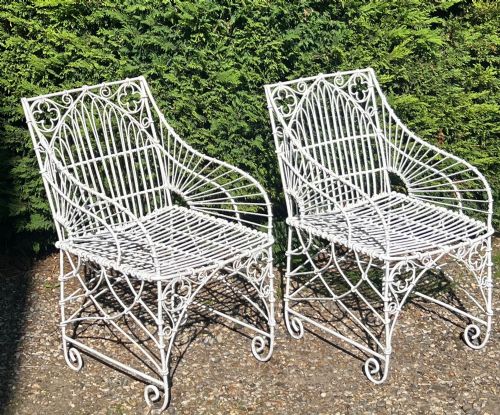
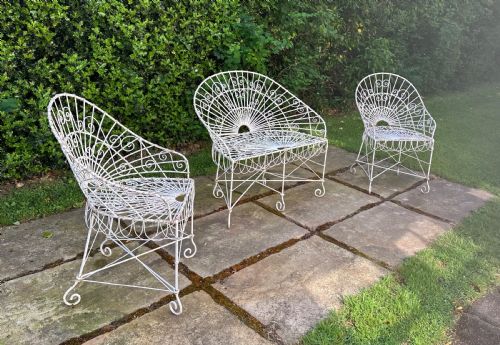
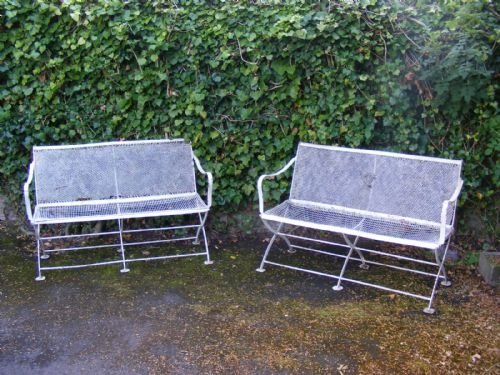
- Metal wire bent and soldered into open, lattice-like garden furniture. This Victorian technique creates lightweight yet resilient tables and chairs.
Outdoor Patio Seating: Frequently Asked Questions
How do I choose the right patio seating?
Consider the scale of your outdoor space and whether you need single benches for quiet corners or complete dining sets for entertaining. Match the period style, such as Victorian cast iron or French bistro, to the character of your garden.
Material choice also dictates maintenance and permanence. Stone and cast iron offer heavy, static presence, while folding metal sets allow flexibility and seasonal storage.
Can iron patio furniture stay outside?
Cast and wrought iron furniture is built for exterior exposure and naturally withstands the elements over decades. Protective paint layers and natural oxidation form a stable barrier against further weathering.
During harsh winter months, moving lighter wirework or wooden pieces under cover can help preserve painted surfaces and timber integrity. Stone benches require virtually no winter protection.
How do I date antique garden seating?
Dating relies on identifying manufacturing techniques, material usage, and stylistic markers specific to periods like the Victorian era or Regency style. Foundry marks, construction joints, and fastener types offer concrete clues to the decade of origin.
Comparing decorative motifs, such as Gothic Revival tracery or wirework patterns, against documented designs helps narrow down the production period.
Are matching patio sets uncommon?
Complete sets comprising a table and four matching chairs, or benches paired with identical armchairs, appear less frequently than individual pieces. Outdoor furniture suffered high attrition rates from weather exposure and heavy usage.
Finding a documented set with its original components intact represents a significant survival of historical garden design.