



Outdoor Metal Table
An outdoor metal table provides a sturdy surface for garden dining or conservatory display, combining durable construction with decorative Victorian and French provincial charm.
Outdoor Metal Table
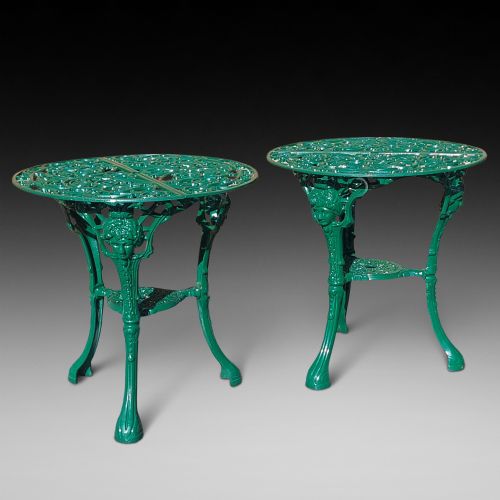
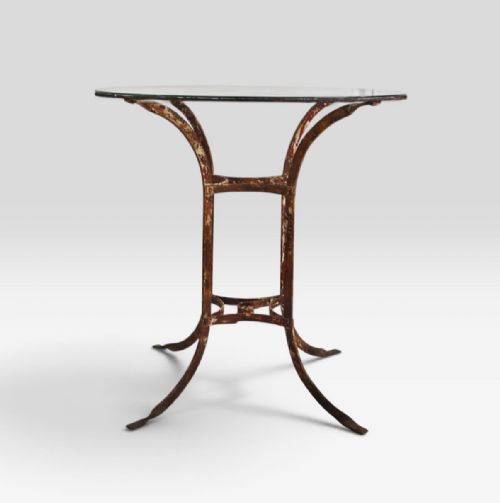
An outdoor metal table brings functional ironwork and steel surfaces to gardens, patios, and conservatories. Buyers searching for an outdoor metal table will frequently encounter pieces originating from the nineteenth century, the Edwardian era, and the 1920s.
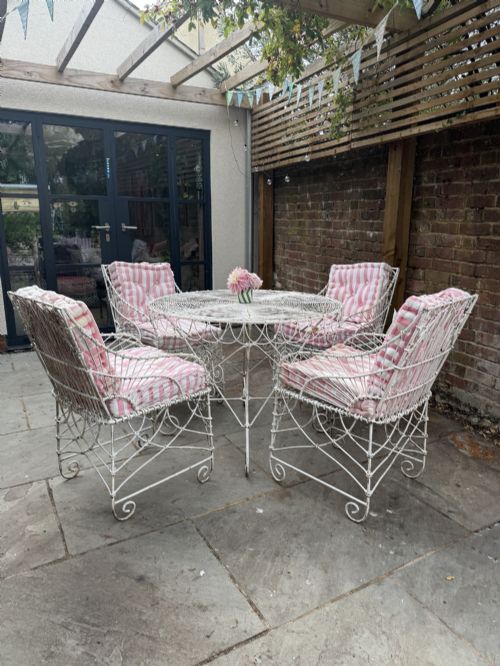
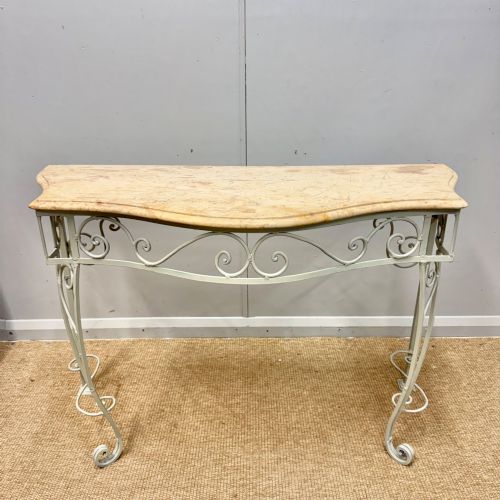
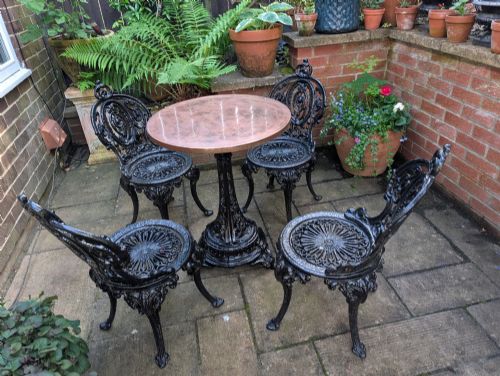
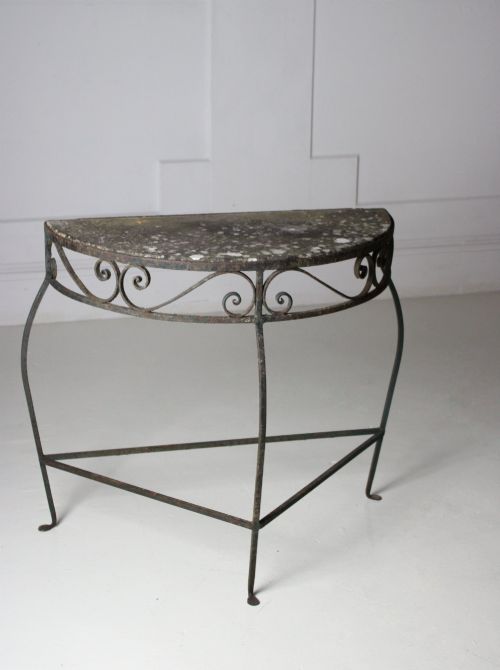
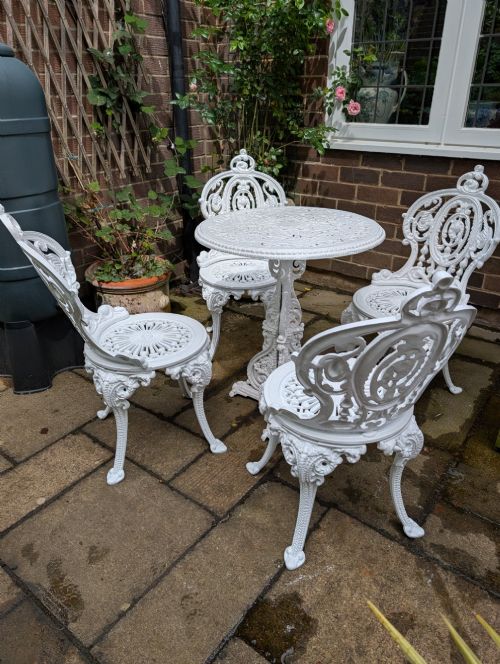
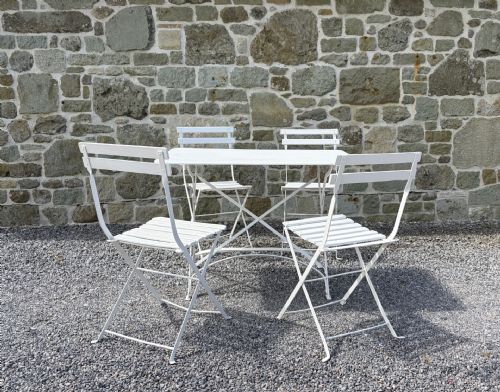
The selections span distinct regional styles, notably French bistro designs alongside traditional British Victorian castings. Common forms on this page range from small round cafe tables and folding variants to larger garden dining sets and console tables.
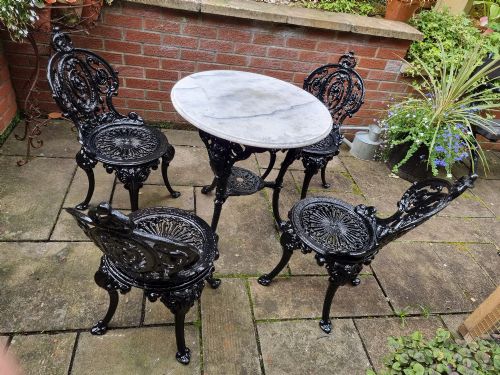
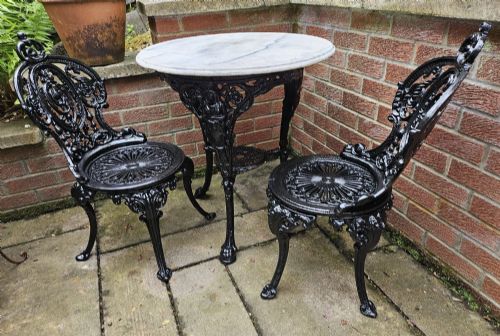
Makers often combined robust metal frames with contrasting tops, pairing heavy cast iron with white marble, zinc, or wood. These tables served practical roles in domestic gardens, commercial pubs, and grand estates alike.
Assessing quality in period metalwork
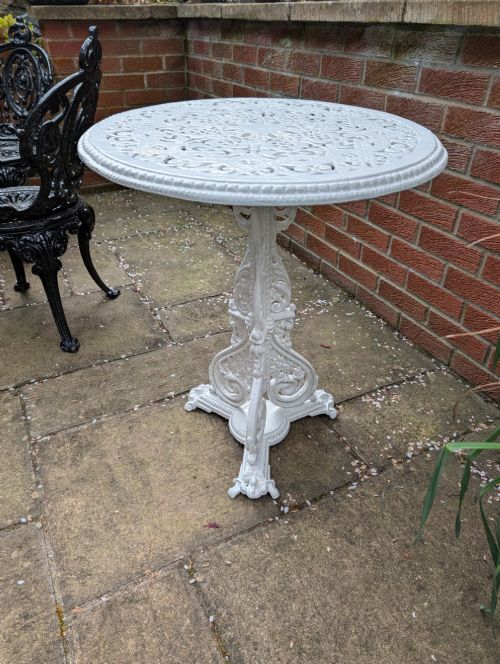
Quality in an outdoor metal table rests on the crispness of the casting and the structural integrity of the frame. Finer examples display deeply moulded patterns and sophisticated decorative details rather than flat or smoothed-over motifs.
The choice of top significantly elevates a piece, with fitted white marble slabs or original zinc and wood surfaces indicating higher craftsmanship than standard metal tops. Furthermore, attributed designs or estate-made execution distinguish exceptional garden furniture from ordinary production.
Outdoor Metal Table Retail Price Guide 2026
Typical asking prices for outdoor metal table among the pieces listed under this phrase on Sellingantiques today, from the lower quarter to the upper quarter. They describe what is for sale here now, not the wider market.
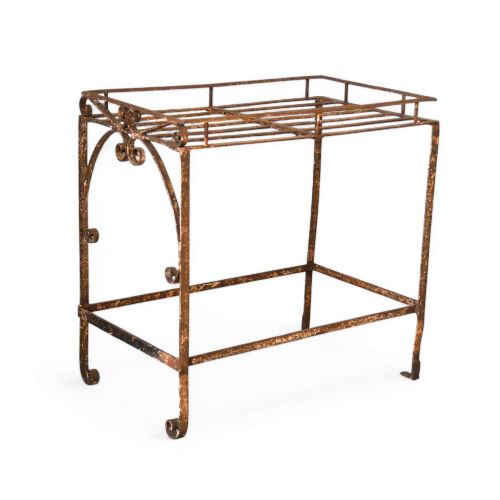
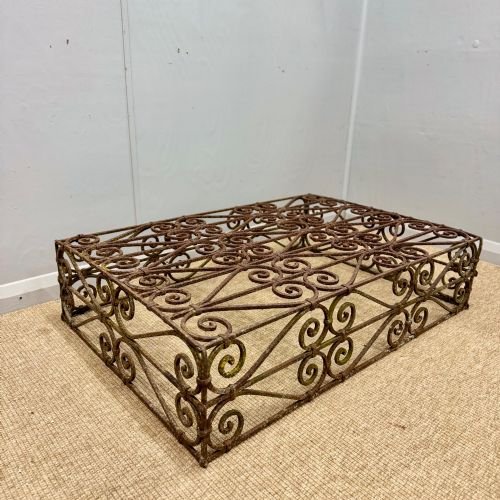
Estate-made iron racks remind us that Victorian groundskeepers were often the handiest metalworkers on the property.
Christopher Dresser
The Outdoor Metal Table Glossary
- Cast iron
- Iron poured into a mould to create rigid, highly decorative components. This technique allows for complex relief patterns and heavy structural stability.
- Wrought iron
- Iron heated and hammered by hand into shape by a blacksmith. This material yields flexible, fibrous structures ideal for curved scrollwork and strapwork.
- Bistro table
- A small café or pub table designed for compact dining. These typically feature a central cast iron pedestal supporting a round top.
- Strapp work
- Decorative metal banding applied in geometric patterns across a frame. This technique adds structural support while enhancing the visual rhythm of the piece.
- Zinc top
- A sheet metal surface soldered or nailed to a wooden core. It offers a weather-resistant, ageing metallic patina favoured in French industrial design.
Outdoor Metal Table: Frequently Asked Questions
Can I leave my metal table outside all year?
Period metal tables withstand outdoor conditions well due to their heavy iron and steel construction. However, protecting marble tops and wooden elements during harsh winter months prevents weathering and cracking.
Applying appropriate protective paint coatings helps guard against rust and moisture damage over time.
How do I identify a Victorian garden table?
Victorian garden tables typically feature heavy cast iron bases with ornate Victorian, Gothic, or naturalistic motifs. Many incorporate manufacturer markings or stylistic cues associated with nineteenth-century British production.
French equivalents from a similar timeframe often lean towards lighter wrought ironwork and bistro styling.
Are marble tops original to these tables?
Many nineteenth-century and early twentieth-century garden tables were manufactured specifically to hold heavy marble slabs. These stone tops provided a cool, wipe-clean surface ideal for conservatories and sheltered outdoor dining.
Examining the fit and age-related weathering helps confirm the relationship between the marble top and the iron base.
How do I clean an antique iron table?
Gentle cleaning with mild soapy water and a soft brush removes dirt without disturbing the aged patina of the metal. Avoid harsh chemical strippers that might strip historic paint layers.
Waxing or oiling bare iron components can help protect the surface from further oxidation.