


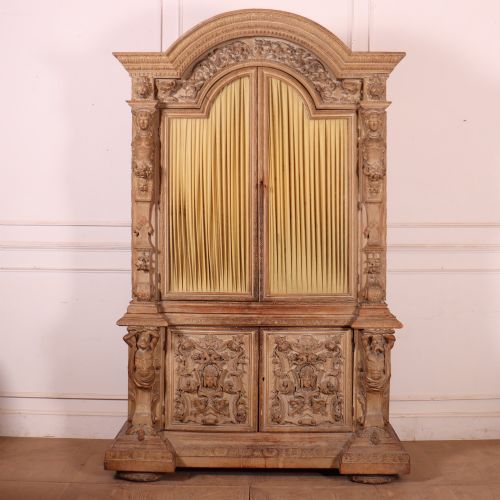


Ornate Vitrine
An ornate vitrine is a display cabinet designed to show off treasured possessions through glass panels, combining fine timber with metal mounts.
Ornate Vitrine
When you search for an ornate vitrine, you are looking at glazed display cabinets and bijouterie tables designed to showcase fine objects. These pieces originate primarily from the nineteenth and eighteenth centuries, with Victorian examples and revival styles appearing frequently.
The selections available include French kingwood and mahogany display cabinets alongside Italian carved wood pieces. Formats range from large-size rosewood bijouterie tables to heart-shaped tables and exhibition quality burr walnut cabinets.
Revival aesthetics dominate this group, with Louis XV style, Napoleon III, and Italian Renaissance revival pieces taking centre stage. Ormolu mounts and marble tops frequently accompany these cabinets, marking them out as distinct periods of decorative arts production.
How they were made
Cabinet makers utilised select timbers such as mahogany, kingwood, walnut, and rosewood as foundational frames for these display pieces. Boulle inlay work and painted panels also appear across the nineteenth-century examples.
Gilt bronze and ormolu mounts provide structural ornamentation, framing glass panels and corners. Marble tops are fitted to specific cabinet designs, adding weight and a finished surface to the timber structures.
Ornate Vitrine Retail Price Guide 2026
Typical asking prices for ornate vitrine among the pieces listed under this phrase on Sellingantiques today, from the lower quarter to the upper quarter. They describe what is for sale here now, not the wider market.
Materials recorded across the current selection include mahogany, kingwood, walnut, rosewood, ormolu, marble, and glass.
What varies in quality
The refinement of the ormolu and gilt bronze mounts separates standard production from exhibition quality pieces. Sharply chased metalwork and meticulously fitted marble tops indicate higher tier execution.
Timber selection and secondary decorative techniques dictate the overall calibre of a cabinet. Boulle inlay precision and hand-painted panels distinguish superior examples from simpler display furniture.
François Linke
The Ornate Vitrine Glossary
- Ormolu
- Gilded bronze mounts applied to furniture for decoration. This technique involved applying a mercury and gold amalgam to bronze.
- Bijouterie table
- A low display table with a glass top designed for small valuables and trinkets. These pieces often feature hinged lids for easy viewing.
- Boulle inlay
- A marquetry technique utilising brass and tortoiseshell in intricate patterns. It is named after the master cabinetmaker André-Charles Boulle.
- Vernis Martin
- A type of simulated Japanese lacquer developed in France. The finish involves multiple layers of varnish applied to painted panels.
Ornate Vitrine: Frequently Asked Questions
What is an ornate vitrine used for?
An ornate vitrine serves as a display cabinet for porcelain, silver, and small precious objects. The glass panels allow viewers to examine items from multiple angles while protecting them from dust.
These cabinets were historically positioned in formal reception rooms to showcase a household's finest possessions and collector pieces to visiting guests.
How do I identify a nineteenth-century vitrine?
Nineteenth-century vitrines frequently exhibit revival styles such as Louis XV or Napoleon III alongside specific construction methods. Look closely at the timber carcasses and the integration of ormolu mounts.
Evidence of period manufacturing includes hand-cut dovetails in the drawers and traditional joinery techniques appropriate to the stated century.
What is the difference between a cabinet and a bijouterie table?
A cabinet is an upright vitrine featuring vertical glass doors and interior shelving for larger display items. These stand tall against walls and provide substantial storage.
A bijouterie table is low to the ground with a horizontal glass top designed specifically for flat items, medals, and small trinkets viewed from above.
Where should I place a vitrine in a room?
A vitrine requires a stable location away from direct sunlight to protect delicate items and wooden finishes from fading. Position it against a solid wall where the decorative mounts and glass panels can be appreciated.
Ensure there is adequate floor space around the piece to open doors or lift hinged table lids without obstruction.