



Ornate Metal Garden Furniture
Ornate metal garden furniture brings enduring architectural presence to outdoor spaces through robust Victorian and revival designs.
Ornate Metal Garden Furniture
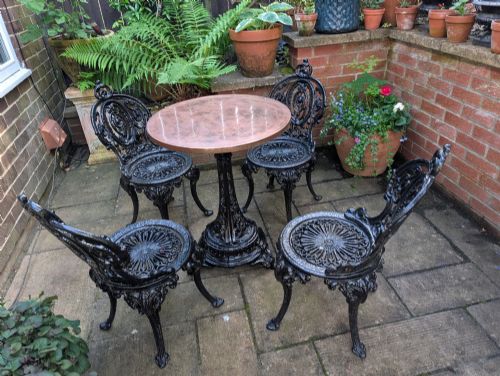
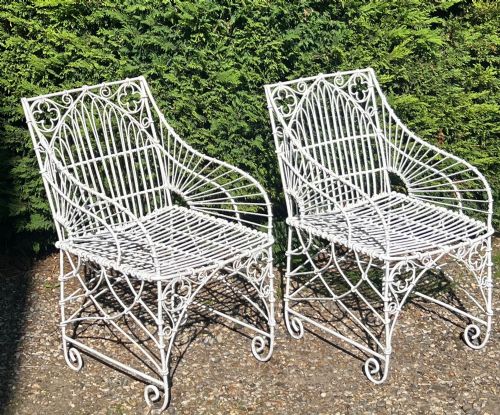
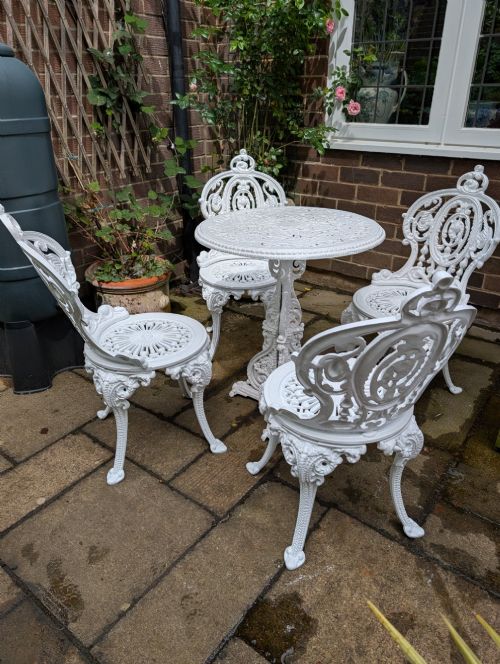
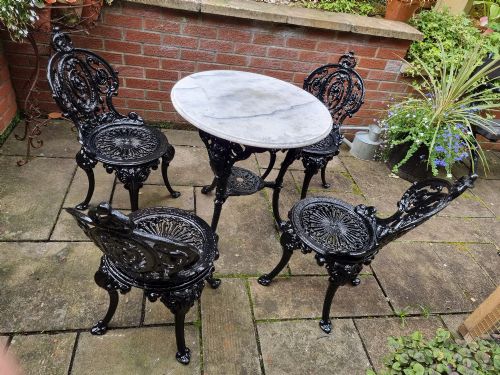
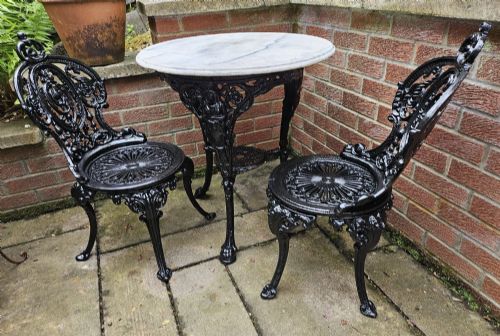
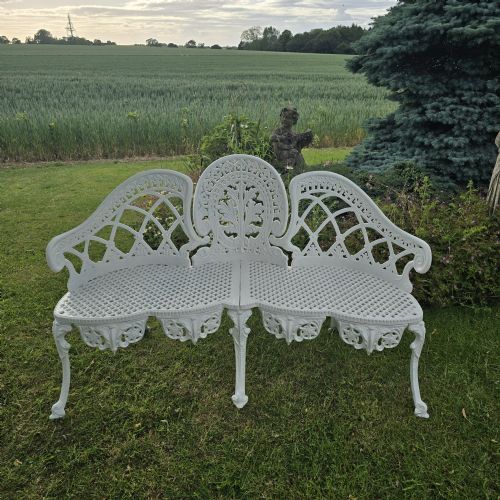
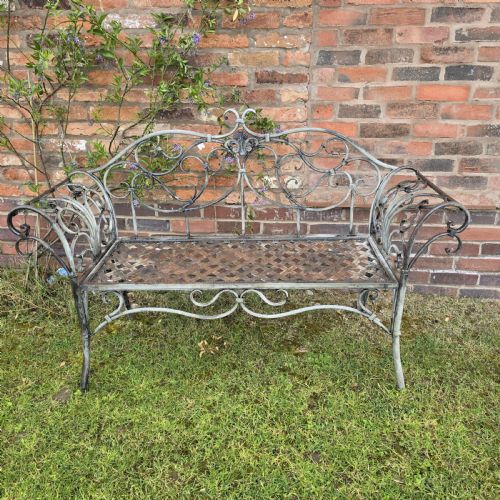
Ornate metal garden furniture comprises seating, tables, and jardinere stands designed to withstand exterior environments while offering elaborate decoration. Buyers encounter garden benches, bistro sets, garden dining sets, and table bases spanning the nineteenth century up to the mid-twentieth century.
The pieces on this page draw from Victorian, Gothic Revival, Rococo Revival, and French Country styles. Forms range from heavy cast-iron sets and garden settees to marble-topped bistro tables and conservatory benches.
Origins represented in the selection include British and French pieces, utilising durable metals often paired with timber, marble, or granite. These items function as focal points in gardens and conservatories, combining utility with ornamental detail.
How they were made
Production relies heavily on cast iron and wrought iron, formed through traditional foundry and blacksmithing techniques. Makers utilised casting to achieve intricate openwork patterns, scrollwork, and Gothic motifs.
Surfaces frequently feature applied paint finishes for protection against the elements. Tops of tables and certain seating elements incorporate natural stone such as marble and granite, alongside timber slats.
Ornate Metal Garden Furniture Retail Price Guide 2026
Typical asking prices for ornate metal garden furniture among the pieces listed under this phrase on Sellingantiques today, from the lower quarter to the upper quarter. They describe what is for sale here now, not the wider market.
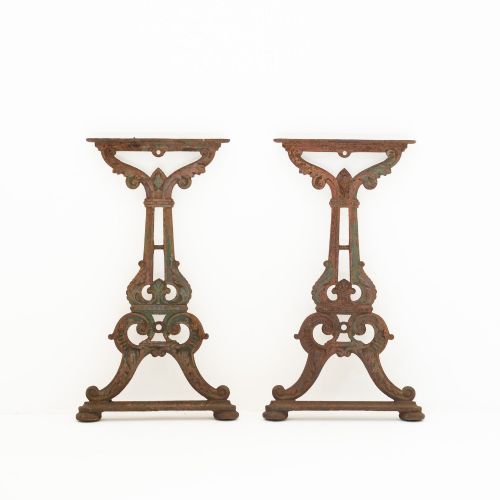
Christopher Dresser brought avant-garde industrial design to the garden, proving that even a humble table can bear the signature of a visionary.
What varies in quality
Quality differentiates through the crispness of the casting and the ambition of the decorative design. Pieces featuring detailed figural or botanical motifs and named designer associations demonstrate superior artistic intent.
The choice of supplementary materials, such as heavy marble or granite tops rather than simpler surfaces, elevates the substance of the piece. Structural robustness in heavy cast-iron frames and surviving original paint layers further distinguish finer examples.
Christopher Dresser
The Ornate Metal Garden Furniture Glossary
- Cast Iron
- A strong, heavy iron-carbon alloy poured into moulds to create complex decorative shapes. It forms the primary structural material for nineteenth-century garden seats and tables.
- Gothic Revival
- An architectural and decorative style drawing inspiration from medieval forms. Pieces often feature pointed arches and trefoil patterns.
- Rococo Revival
- A mid-nineteenth-century style characterised by exuberant, asymmetrical scrollwork and naturalistic floral motifs. It appears frequently on ornate chair backs and table bases.
- Jardinere Stand
- An ornamental stand designed to hold plant pots or flower boxes. These elevated metal pieces allow greenery to be displayed artistically in gardens or conservatories.
- Bistro Set
- A small table accompanied by matching chairs, designed for intimate outdoor dining. These sets often combine metal bases with stone or timber tops.
Ornate Metal Garden Furniture: Frequently Asked Questions
How do I date an iron garden bench?
Dating relies on stylistic clues such as Victorian Gothic or Rococo revival motifs combined with construction methods. Heavier cast-iron examples often point to nineteenth-century production.
Evidence in these listings spans from the 1850s through to mid-twentieth-century French conservatory pieces, helping establish a comparative timeline based on form and material.
Can cast iron garden furniture stay outside?
Cast iron is naturally robust and heavy, designed specifically to withstand exterior conditions in gardens and patios. Protective paint layers help shield the metal from weathering.
Some pieces incorporate vulnerable materials like timber slats or marble tops that benefit from sheltered placement during harsher winter months.
What is the difference between cast iron and wrought iron?
Cast iron is poured into moulds while molten, allowing for intricate, repeatable decorative patterns and heavy structural components. Wrought iron is heated and hammered by hand into shape.
Garden furniture listings here feature both techniques, often utilising cast iron for ornate chair backs and table bases.
How do I identify French garden furniture?
French garden pieces often reflect lighter regional aesthetics like French Country styles or conservatory bench designs. These items frequently originate from the early to mid-twentieth century.
They pair metal frames with decorative flourishes distinct from heavier British Victorian foundry work found in the same selection.