

Ornate Glass Light
An ornate glass light brings heavy sparkle and shaped metalwork to a room, offering hanging chandeliers, lanterns and desk lamps built to catch the eye.
Ornate Glass Light
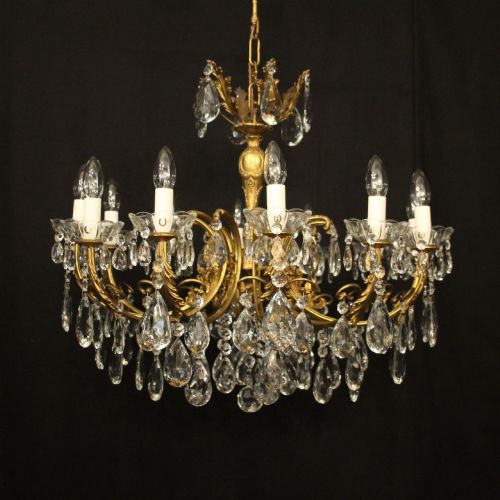
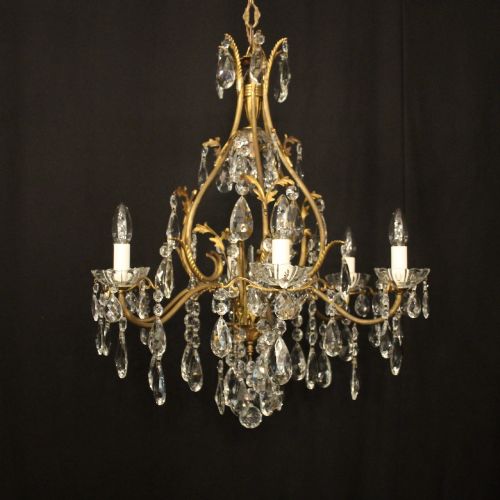
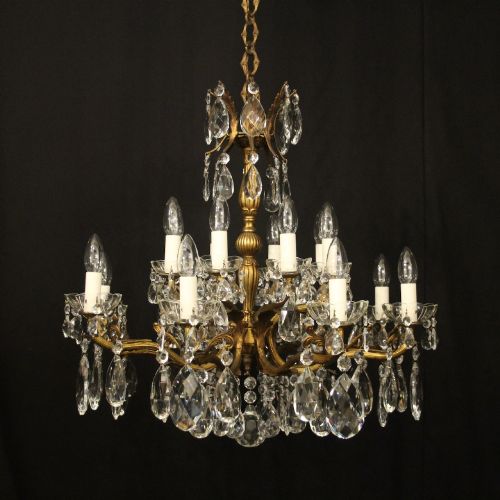
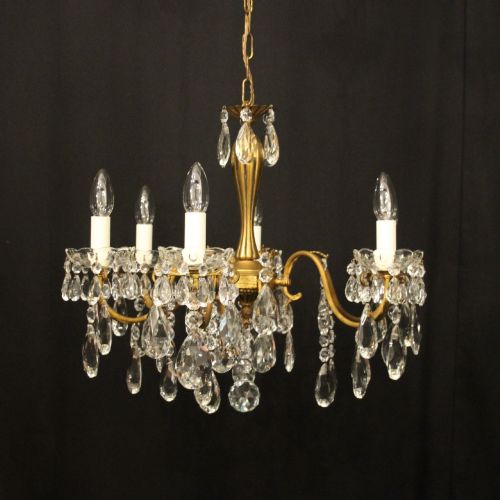
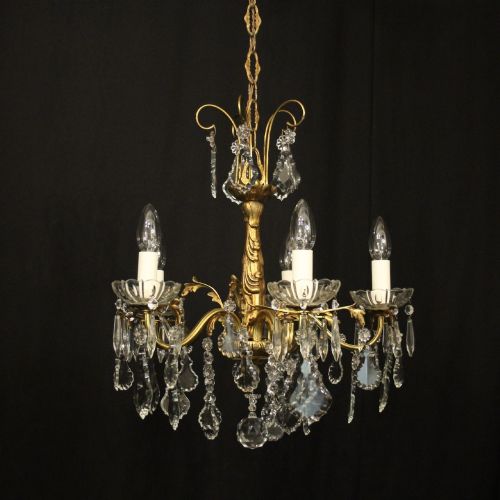
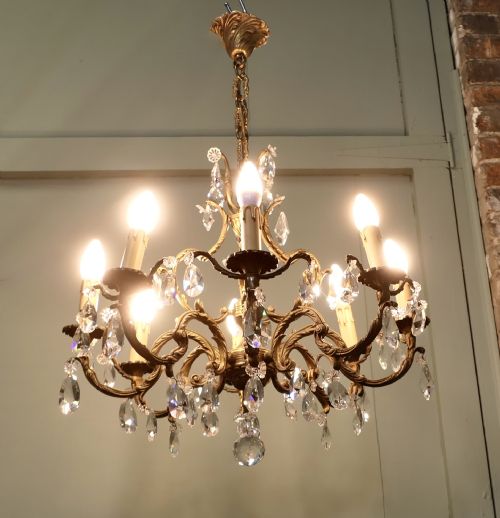
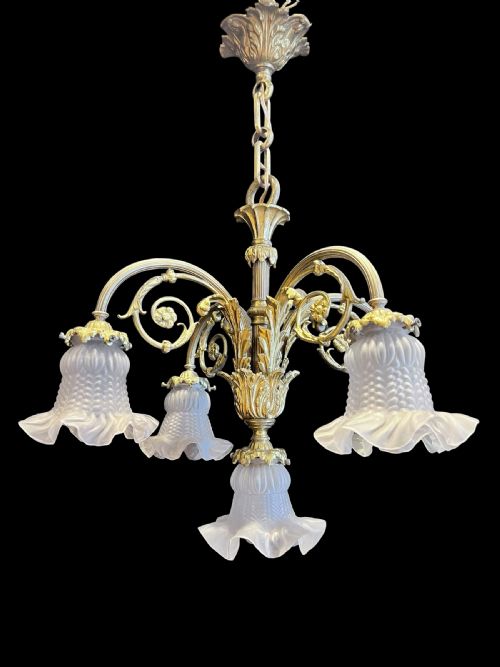
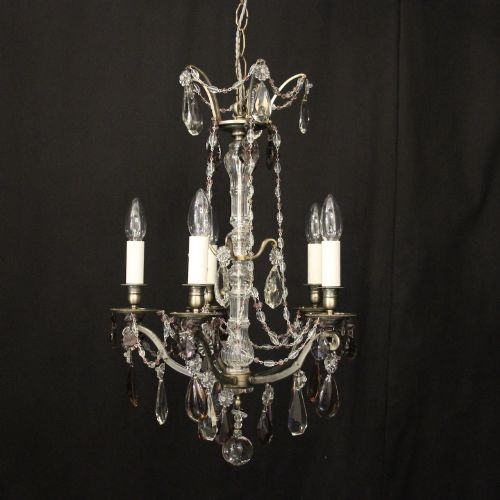
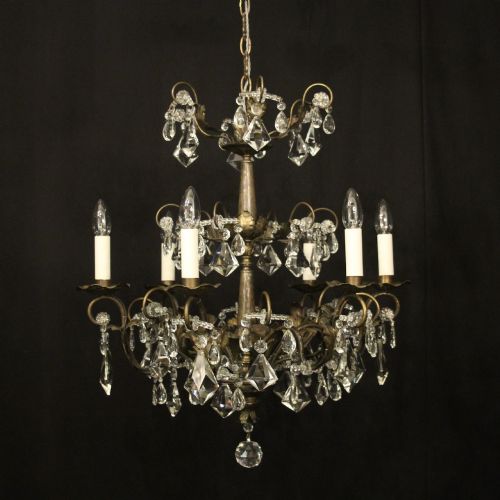
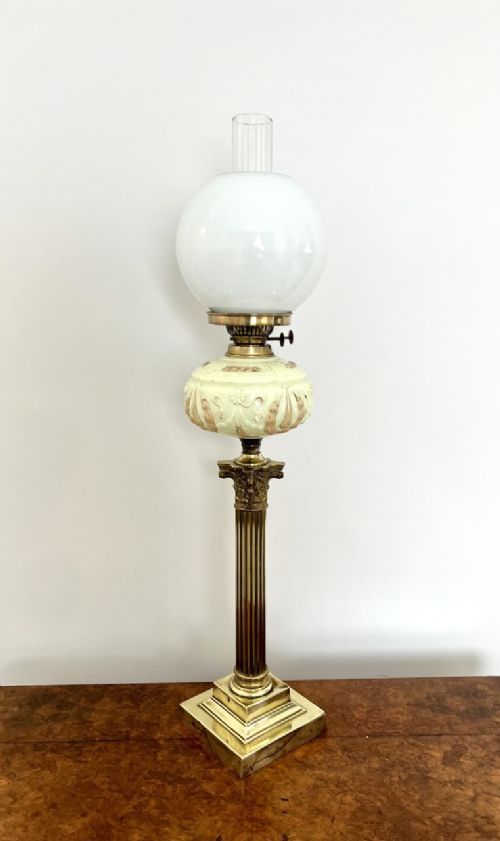
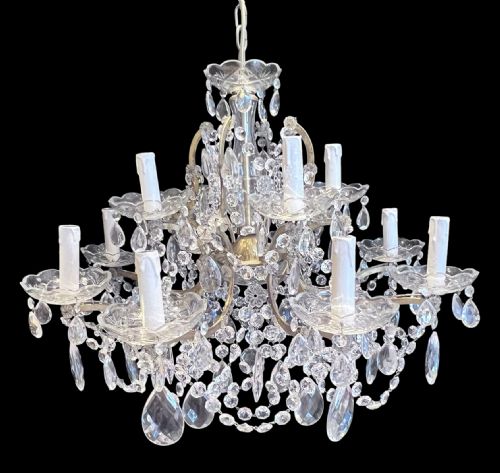
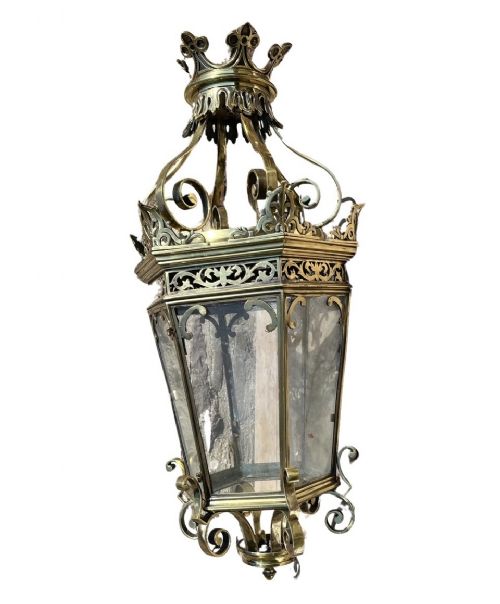
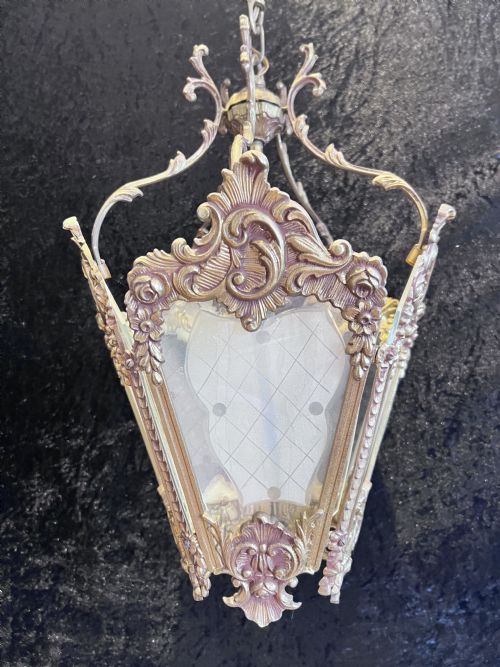
An ornate glass light encompasses large crystal chandeliers, hall lanterns, and table lamps originating mainly from French and Italian workshops across the nineteenth and early twentieth centuries. These pieces arrive in styles ranging from Rococo Revival and Louis XVI to Edwardian and Arts and Crafts, reflecting varied European decorative traditions.
Materials and Construction
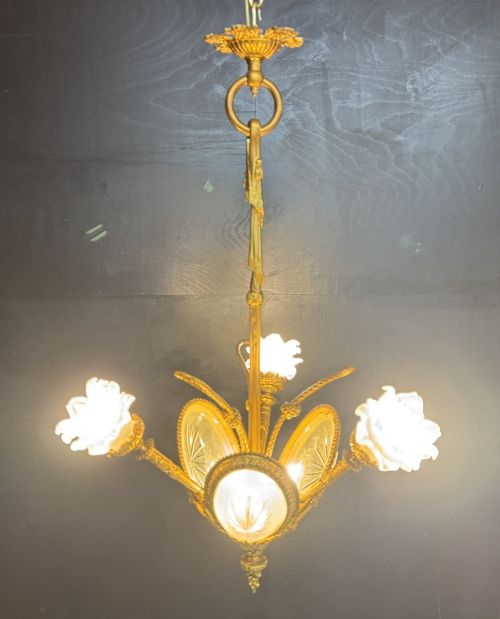
Makers built these fixtures using cast brass, bronze, and ormolu frames combined with clear or coloured cut glass and crystal elements. Metal structures often received gilt, silver, or bronze finishes to enrich the decorative surface.
Hanging fittings utilised wire or chain suspensions to support multi-light configurations, while glass components such as lustres, drops, and opaline shades were wired or pinned directly into the metal armature.
Ornate Glass Light Retail Price Guide 2026
Typical asking prices for ornate glass light among the pieces listed under this phrase on Sellingantiques today, from the lower quarter to the upper quarter. They describe what is for sale here now, not the wider market.
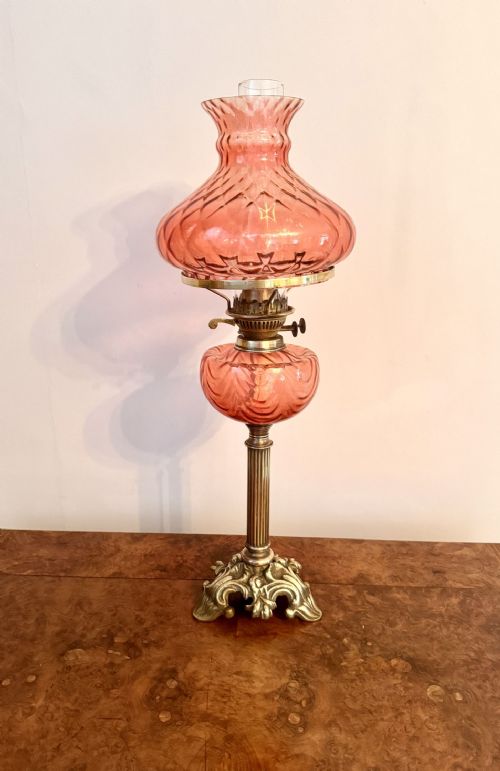
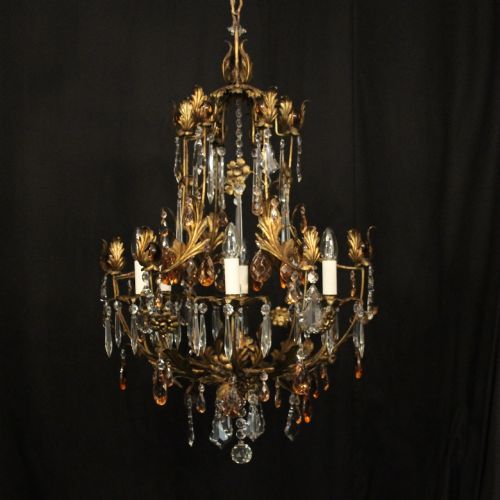
Some early twentieth-century chandeliers incorporate playful touches such as tinted orange drips and sculpted ceramic cherubs finished with spikes.
Craftsmanship and Proportion
Superior examples demonstrate meticulous chasing on bronze and brass mounts, where cast details remain sharp and defined rather than soft or blurry. The density, clarity, and precision-cut faceting of the crystal or glass components further separate finer pieces from standard production.
Proportion and structural integration dictate the visual impact of a fixture, with higher-grade items maintaining balanced weight distribution across multiple light branches and harmonious alignment between glass lustres and metal frames.
The Ornate Glass Light Glossary
- Crystal
- High-lead glass valued for its clarity and high refractive index. It allows the glass components to disperse light effectively.
- Ormolu
- Finely chased gilded bronze used for decorative mounts and frames. This material provides a rich golden surface that resists tarnish.
- Lustre
- A cut glass pendant or drop hung from a chandelier or light fixture. These elements catch and reflect illumination around the room.
- Opaline glass
- An opaque or translucent pale glass used for lamp bodies and shades. It diffuses light into a soft, even glow.
Ornate Glass Light: Frequently Asked Questions
How do I clean an ornate glass light?
Dust the metal frame and glass components regularly with a soft cloth to prevent buildup. Remove crystal lustres individually for careful washing in warm soapy water when deeper cleaning is necessary.
Dry each piece thoroughly before reattachment to ensure no moisture remains in the wiring channels or metal joints.
Are these lights wired for modern electricity?
Many surviving fixtures have been adapted for contemporary electrical standards over time. It is prudent to have a qualified electrician inspect the internal wiring before installation in your home.
Original lamp holders or candles may be updated to meet safety regulations while preserving the exterior appearance of the antique.
How do I identify a French versus an Italian chandelier?
French fixtures frequently display Rococo, Empire, or Louis XVI stylistic traits with disciplined symmetry and refined gilt bronze mounts. Italian examples often lean towards Florentine or Venetian designs featuring fluid floral motifs and extensive crystal draping.
Examining the casting quality and the specific cut of the glass helps attribute the piece to its regional workshop origin.
What ceiling height do I need for a chandelier?
Consider the drop of the fixture and the clearance required for foot traffic beneath it. Standard rooms typically accommodate flush or semi-flush lanterns, while larger multi-tier chandeliers suit spaces with elevated ceilings.
Measure the vertical distance from floor to ceiling carefully to position the light at a balanced visual height.