



Ornate Garden Seating
Ornate garden seating brings decorative metalwork and substantial timber into the open air, offering durable places to sit amidst planting and lawn.
Ornate Garden Seating
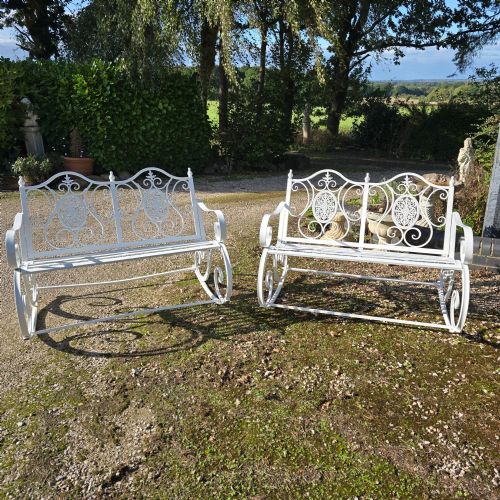
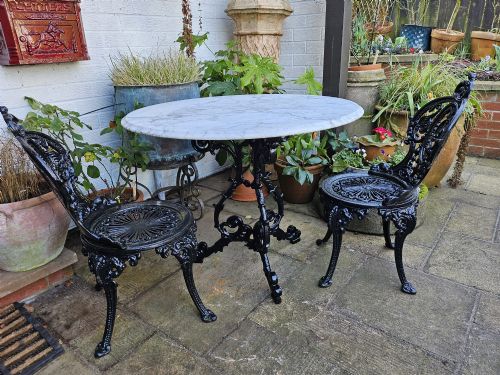
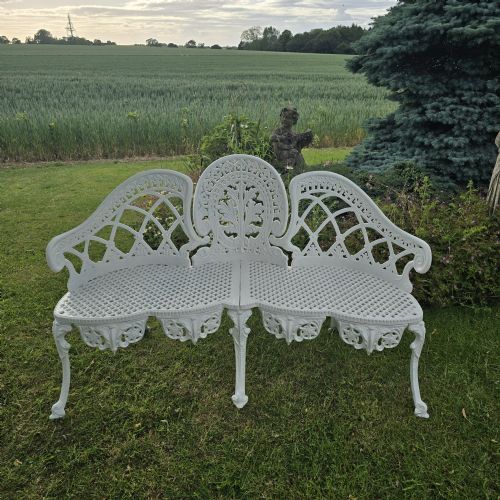
When you search for ornate garden seating, you encounter a variety of forms designed for outdoor spaces, ranging from single garden benches to complete bistro sets and conservatory suites. The examples seen here span periods from the mid-nineteenth century through to the early decades of the twentieth century, capturing Victorian, Gothic Revival, and French styles.
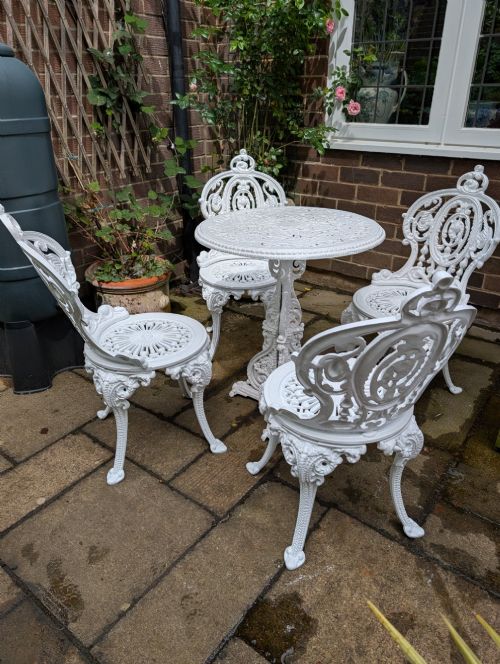
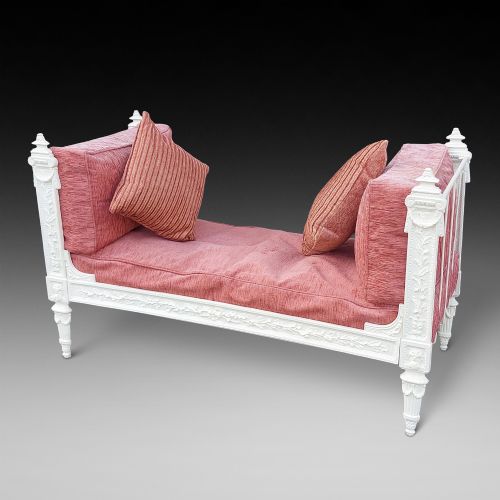
The most common formats on this page are sturdy garden benches and pairs of garden chairs constructed from heavy metals, alongside occasional daybeds and multi-piece dining sets. These objects combine utilitarian outdoor seating with decorative flourishes suited to lawns, terraces, and enclosed courtyards.
Materials and construction
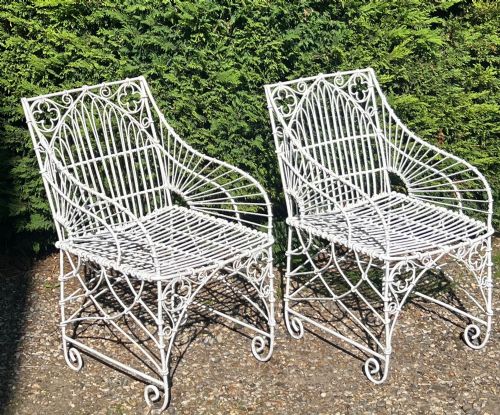
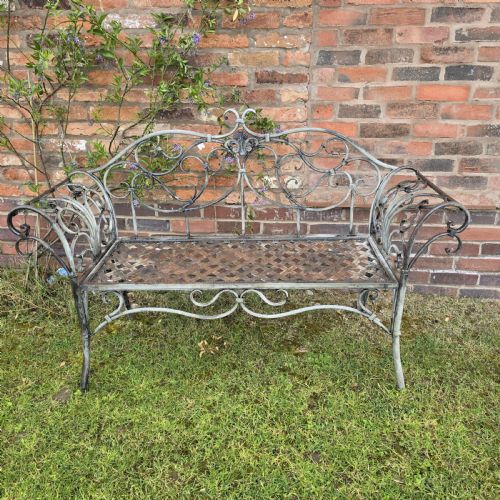
Makers utilised cast iron and wrought iron as the primary structural materials, often shaping the metal into intricate scrolling patterns, pierced foliage motifs, and architectural arches. These heavy components frequently incorporate painted finishes to protect the metal from the weather, whilst some pieces combine cast metal frames with timber slats.
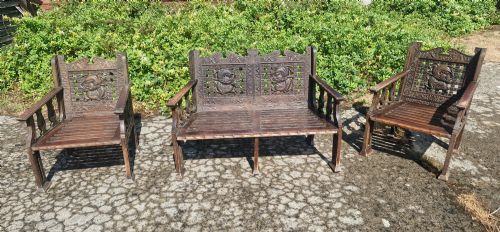
Certain items introduce contrasting elements such as carved wood in country house suites or large marble tops fitted to bistro tables. The fabrication methods rely on traditional foundry casting and hand forging, yielding robust frames capable of enduring outdoor conditions.
Ornate Garden Seating Retail Price Guide 2026
Typical asking prices for ornate garden seating among the pieces listed under this phrase on Sellingantiques today, from the lower quarter to the upper quarter. They describe what is for sale here now, not the wider market.
The listings on this site feature cast iron, wrought iron, teak, and marble across Victorian and twentieth-century periods.
Distinctions in quality
The standard of ornate garden seating is defined by the crispness of the casting detail and the architectural ambition of the design, such as Gothic tracery or naturalistic leaf forms. Finer examples display deeply undercut metalwork and careful finishing at the foundry, whereas simpler items rely on basic geometric patterns.
Structural integrity also separates the better items, particularly in how securely bench ends, slats, and decorative panels join together. Pieces associated with notable designers or established foundries retain sharper proportions and more substantial weight than standard commercial productions.
Christopher Dresser·Coalbrookdale
The Ornate Garden Seating Glossary
- Cast iron
- A strong, heavy alloy poured into moulds to create rigid components with detailed surface relief. It forms the structure of many nineteenth-century benches and chairs.
- Wrought iron
- Iron heated and hammered by hand into specific shapes, producing fibrous metalwork that bends rather than snaps under stress. It is frequently seen in French armchairs and lighter outdoor frames.
- Gothic Revival
- An architectural and decorative style drawing inspiration from medieval design, featuring pointed arches and trefoil motifs. Pieces in this style often incorporate ecclesiastical window tracery into the ironwork.
- Conservatory suite
- A matched set of seating and tables intended for semi-enclosed glass rooms or indoor verandas. These groups often feature lighter frames and more intricate decorative carving than standard exterior furniture.
- Bench ends
- The two heavy lateral supports that receive the wooden slats of a seat and backrest. In cast iron construction, these structural sides carry the primary decorative motifs.
Ornate Garden Seating: Frequently Asked Questions
Can iron garden benches stay outside all year?
Cast and wrought iron furniture is built to withstand outdoor environments, enduring rain and temperature changes throughout the seasons.
However, maintaining a sound painted finish is essential to prevent moisture from causing rust over extended periods.
How do I identify a Victorian iron bench?
Victorian pieces typically display heavy cast construction with deep relief patterns, floral motifs, or Gothic architectural detailing. They often utilise robust iron frames combined with timber slats or solid metal seats.
Examining the weight, bolt fixings, and style of the casting helps distinguish these nineteenth-century items from later revivals.
What is the difference between cast and wrought iron?
Cast iron is poured into moulds while molten, creating rigid structures with intricate surface ornament that cannot be bent further. It provides the heavy load-bearing frames for most antique garden seats.
Wrought iron is worked by hand while hot, resulting in flexible, fibrous components formed into scrolls and curves.
How should I clean antique garden metalwork?
Routine maintenance involves gentle washing with mild soapy water and a soft brush to remove dirt and organic debris. Avoid harsh chemical cleaners or abrasive scouring pads that might damage the protective paint layer.
Inspect the surface periodically for areas where paint has chipped, and touch up those spots promptly to protect the metal underneath.