





Ornate Garden Planters
Ornate garden planters bring architectural weight to lawns and terraces, offering robust vessels for structural planting.
Ornate Garden Planters
Ornate garden planters comprise heavy metal and stone vessels designed for outdoor flora, spanning garden urns, plant stands, and jardinieres. These pieces carry stylistic influences from Victorian and Classical Revival periods through to English Country House aesthetics.
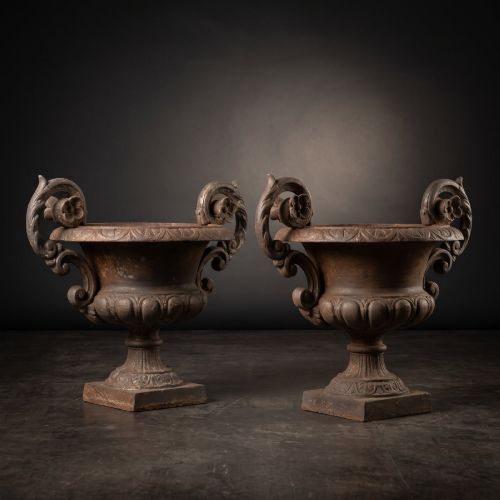
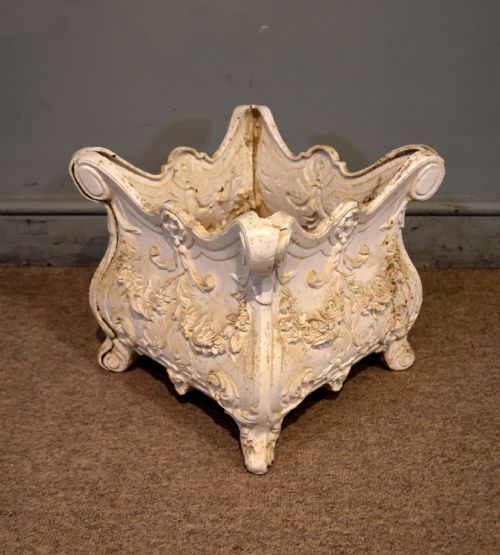
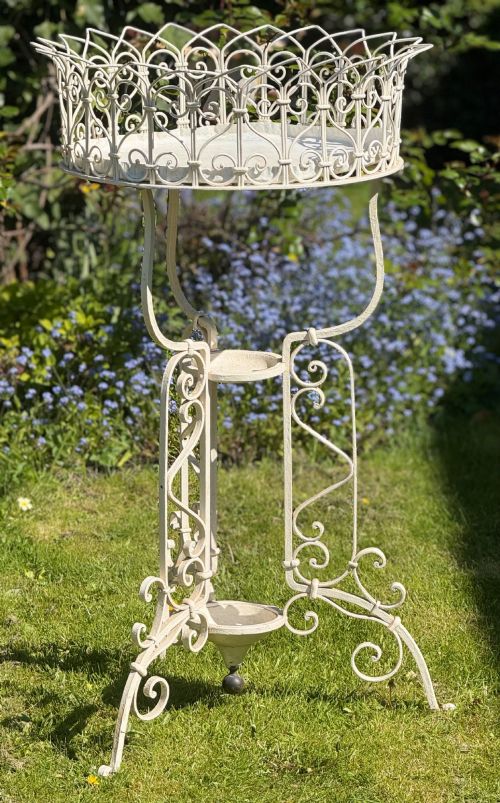
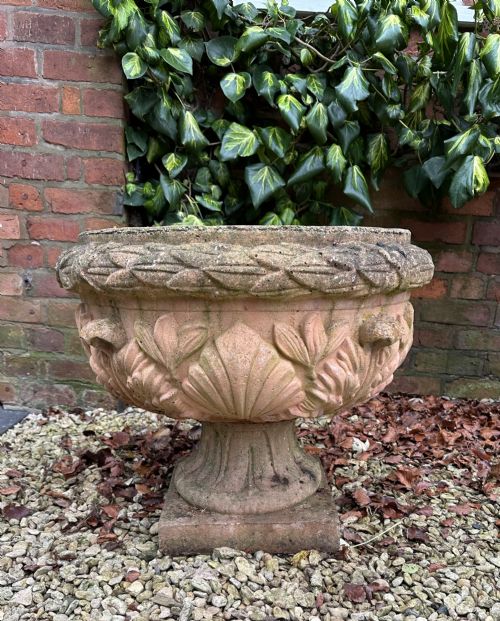
Buyers meet diverse forms on this page, ranging from nineteenth-century French jardinieres to paired urns on plinths. Smaller nineteenth-century cast iron planters share space with multi-tiered plant stands and large terracotta urns.
The objects serve practical horticultural needs while functioning as permanent garden furniture. Their decorative surface work reflects nineteenth-century and early twentieth-century manufacturing traditions.
How they were made
Foundries utilised cast iron and wrought iron, pouring molten metal into detailed moulds to achieve deep relief ornamentation. Painted finishes often protected these metal surfaces from weathering over decades of outdoor exposure.
Makers also worked with cast stone, reconstituted stone, and terracotta, shaping earthen and aggregate mixtures into classical vessel profiles. These traditional materials provided the necessary mass to anchor large planting arrangements securely.
Ornate Garden Planters Retail Price Guide 2026
Typical asking prices for ornate garden planters among the pieces listed under this phrase on Sellingantiques today, from the lower quarter to the upper quarter. They describe what is for sale here now, not the wider market.
Listings feature cast iron, wrought iron, cast stone, and terracotta across nineteenth and twentieth-century periods.
What varies in quality
Depth and crispness of cast detail separate standard utility vessels from superior artistic examples. Sharper gadrooning and cleaner mould seams indicate finer foundry work.
Substance and weathering determine the character of each piece. Heavy metal casting and integrated plinths demonstrate substantial original construction.
Coalbrookdale
The Ornate Garden Planters Glossary
- Gadrooned
- Decorated with a carved or cast series of convex curves or flutes. This ornamental moulding often encircles the bowl of an urn.
- Jardiniere
- An ornamental pot or stand for holding plants or flowers. These items appear in both freestanding and elevated tier formats.
- Reconstituted stone
- A manufactured material made from aggregate stone mixed with a binder. It simulates natural carved stone for garden ornaments.
- Plinth
- A heavy base supporting a statue, urn, or planter. Paired examples elevate garden vessels above ground level.
Ornate Garden Planters: Frequently Asked Questions
How do I place heavy planters?
Position cast iron and stone vessels on stable, level ground to distribute their substantial weight safely. Using dedicated plinths helps elevate the planting height and protects the base from damp soil.
Ensure adequate drainage pathways remain clear beneath each vessel. This prevents trapped moisture from causing structural stress during freezing weather.
Can I leave iron planters outside?
Cast iron and wrought iron withstand outdoor elements effectively when properly painted or weathered. Regular inspection of the surface coating prevents rust progression.
Protecting terracotta and stone pieces from severe frost prevents cracking. Lining vessels properly also reduces internal pressure from wet soil.
What plants suit deep urns?
Structural evergreens and trailing foliage complement the classical proportions of nineteenth-century urns. Their depth accommodates substantial root systems for mature specimens.
Seasonal displays benefit from adequate soil aeration within large jardinieres. Ensuring proper drainage layers keeps root systems healthy throughout the year.
How do I date cast iron?
Examine the casting seams, surface texture, and stylistic motifs such as Victorian classical revival details. Heavier patination and weathering patterns typically indicate nineteenth-century origins.
Compare the decorative elements against documented foundry catalogues from the period. Construction methods often reveal whether a piece dates to the Victorian era or later.