



Ornate Garden Furniture
Ornate garden furniture brings enduring architectural detail to outdoor spaces through robust metalwork and classic forms.
Ornate Garden Furniture
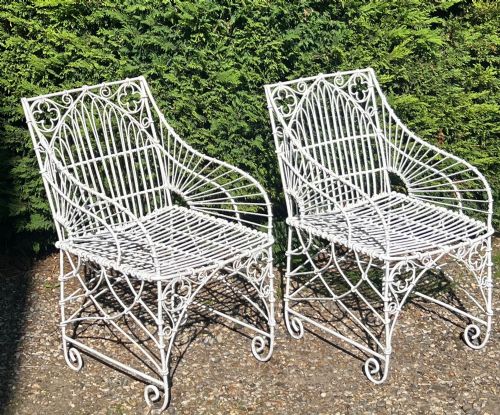
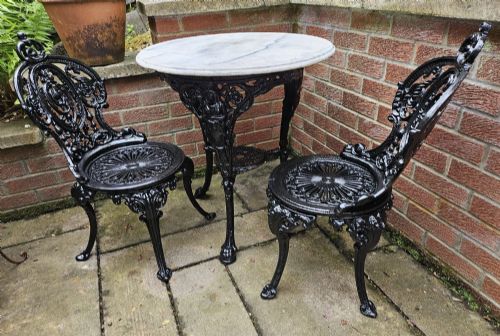
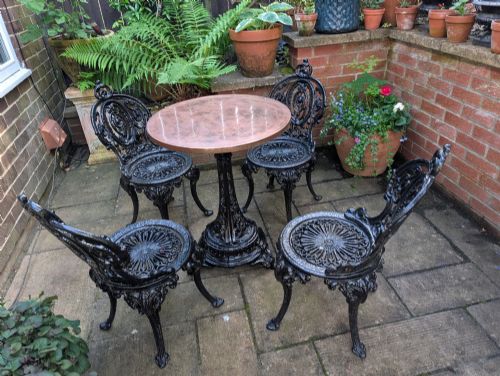
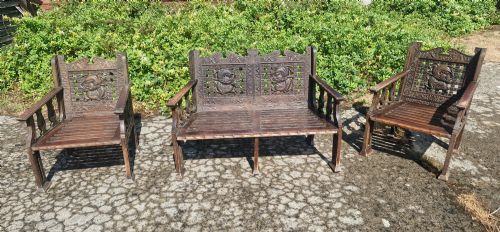
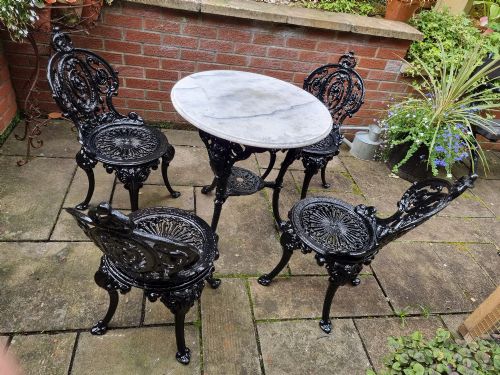
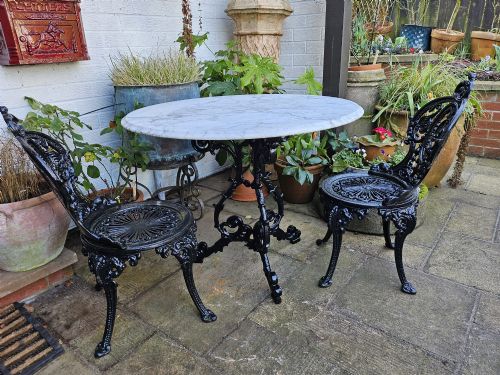
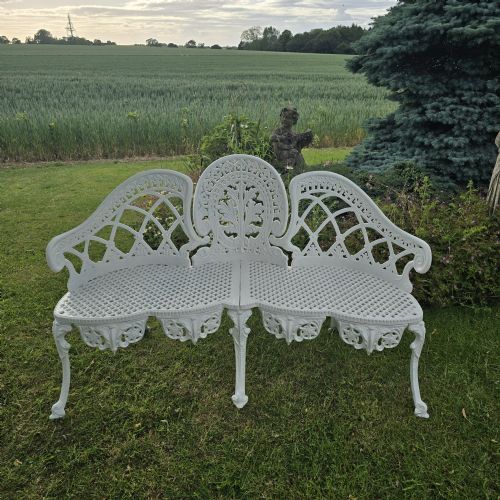
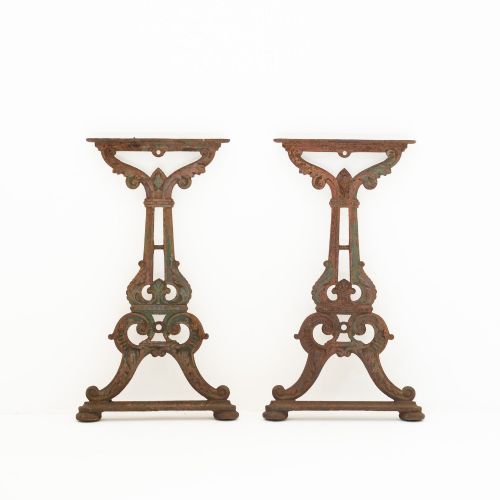
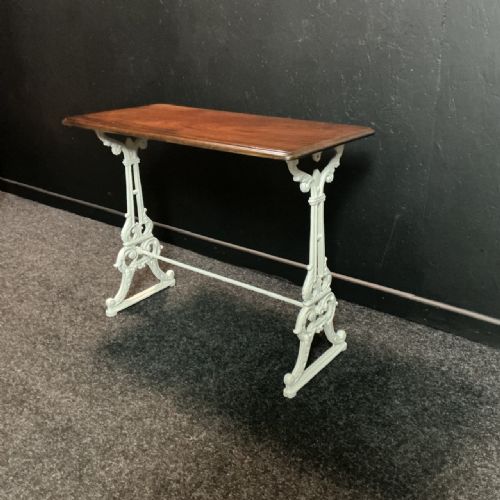
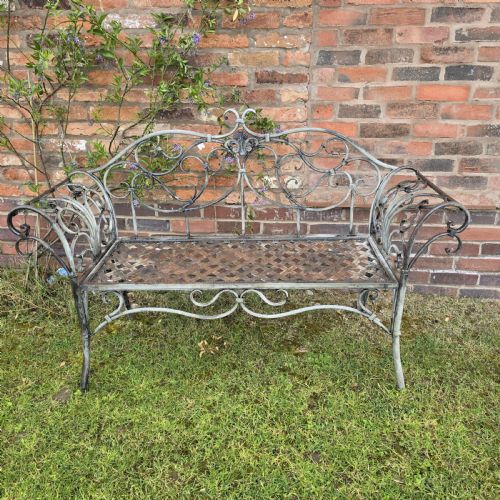
Buyers frequently encounter cast iron garden chairs, benches, and table bases bearing intricate openwork patterns. Pieces range from matched seating suites to individual console tables and jardinere stands originating from British, French, and Burmese workshops.
Victorian and Edwardian eras dominate the selection, showcasing styles from Gothic Revival to Rococo Revival. These heavy metal pieces provide permanent seating arrangements that develop deep patinas through exposure to weather.
How they were made
Makers utilised heavy cast iron and wrought iron poured into intricate sand moulds to create openwork scrolls, foliage, and structural supports. This metalwork was frequently combined with timber slats or topped with solid marble slabs for garden and conservatory use.
Surface treatment relied on protective layers of paint applied over prepared metal to prevent oxidation. Surviving examples often display multiple historic coats of paint that record decades of maintenance and weathering.
Ornate Garden Furniture Retail Price Guide 2026
Typical asking prices for ornate garden furniture among the pieces listed under this phrase on Sellingantiques today, from the lower quarter to the upper quarter. They describe what is for sale here now, not the wider market.
Listings span the nineteenth and twentieth centuries, incorporating materials such as cast iron, wrought iron, teak, marble, and paint across various seating forms.
What varies in quality
Quality rests in the crispness of the casting and the depth of relief in the decorative motifs. Finer examples exhibit sharply defined foliage and clean edges, whereas worn moulds produce softer, shallower ornamentation.
The weight and gauge of the iron structural elements dictate stability and longevity. Complete matched sets with original marble tops or coordinated bench ends represent the more substantial end of the range.
Christopher Dresser·Coalbrookdale
The Ornate Garden Furniture Glossary
- Cast iron
- A strong, brittle alloy of iron and carbon poured into moulds to form rigid structural shapes and detailed ornamentation. It forms the primary material for Victorian garden benches and table bases.
- Gothic Revival
- An architectural and decorative style drawing on medieval forms, featuring pointed arches and trefoil tracery. This style appears frequently on nineteenth-century iron garden chairs.
- Conservatory suite
- A matched grouping of seating and tables intended for glazed garden rooms rather than exposed lawns. These sets often incorporate lighter timber elements alongside metal frames.
- Jardinere stand
- An elevated decorative stand designed to support heavy plant pots and floral displays. These pieces utilise sturdy metal frameworks to display plants within garden settings.
- Bistro set
- A small table paired with two matching chairs, originally designed for compact outdoor dining spaces. These sets often feature decorative cast iron bases paired with stone or marble tops.
Ornate Garden Furniture: Frequently Asked Questions
How do I clean ornate garden furniture?
Remove loose dirt and debris using a soft brush and mild soapy water, avoiding harsh abrasive pads that damage historic paint layers.
Dry the metal thoroughly after washing to prevent surface oxidation from developing on exposed iron.
Can cast iron garden benches stay outside?
Cast iron withstands outdoor conditions well, though prolonged moisture exposure will eventually lead to surface rust if protective paint finishes fail.
Store pieces under cover during harsh winter months or apply appropriate maintenance coatings to preserve the metal.
How do I date Victorian garden furniture?
Examine the casting quality, bolt types, and structural assembly methods, as nineteenth-century pieces often feature hand-finished surfaces and heavier gauge iron.
Compare decorative motifs against documented Victorian design patterns, such as Gothic Revival tracery or fern leaf castings.
Are marble tops original to these tables?
Many nineteenth and twentieth-century bistro tables paired cast iron bases with heavy marble slabs designed for outdoor durability.
Check the fit of the slab against the iron frame and look for uniform weathering that matches the age of the base.