


Ornate French Chandelier
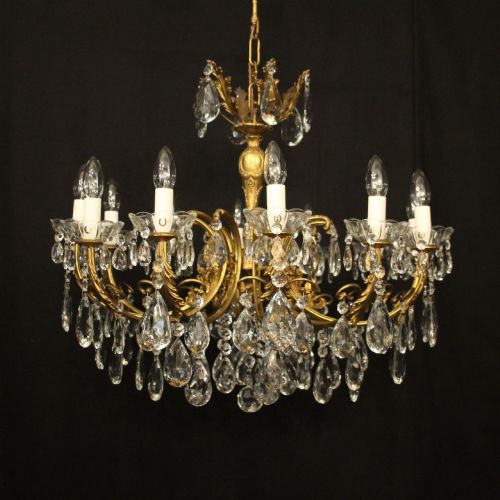
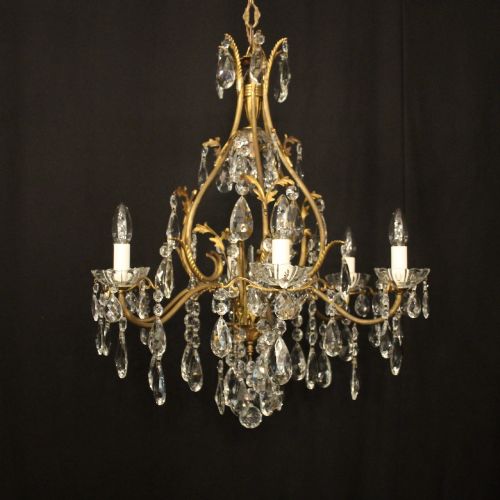
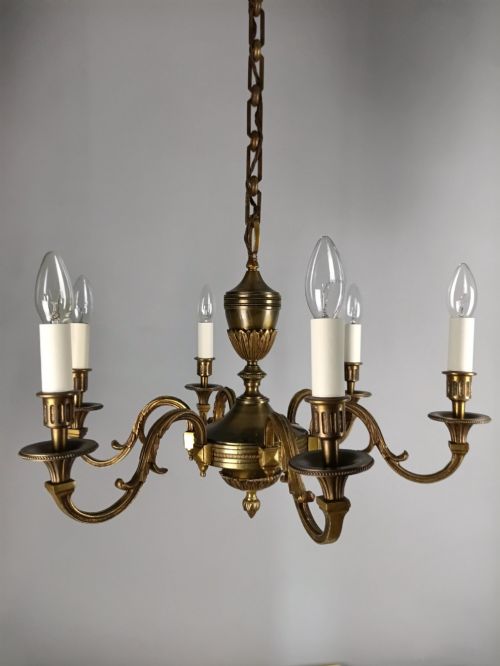
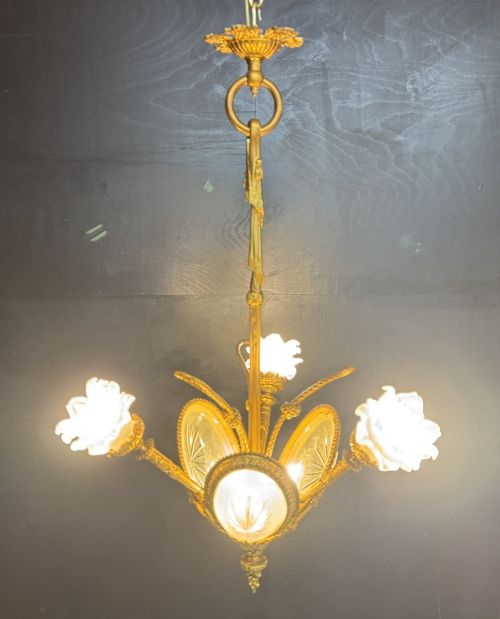
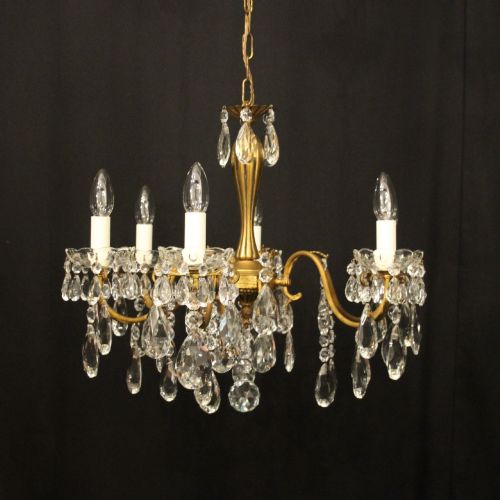
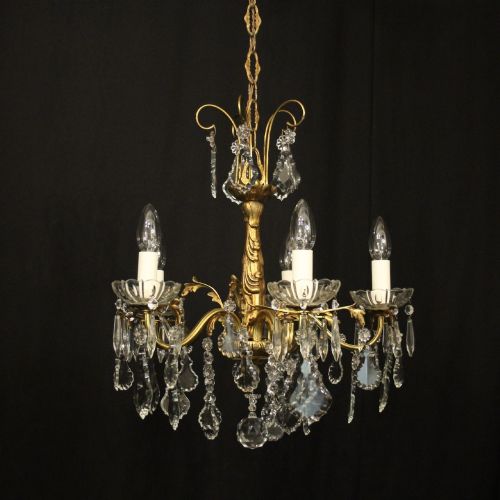
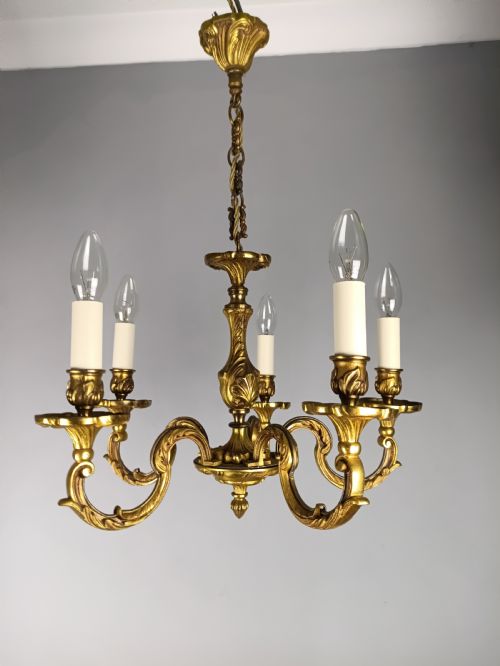
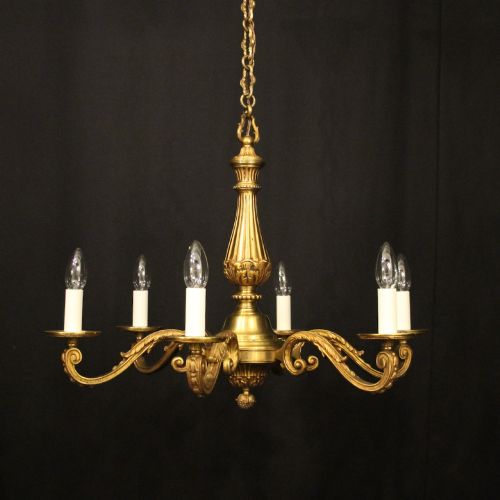
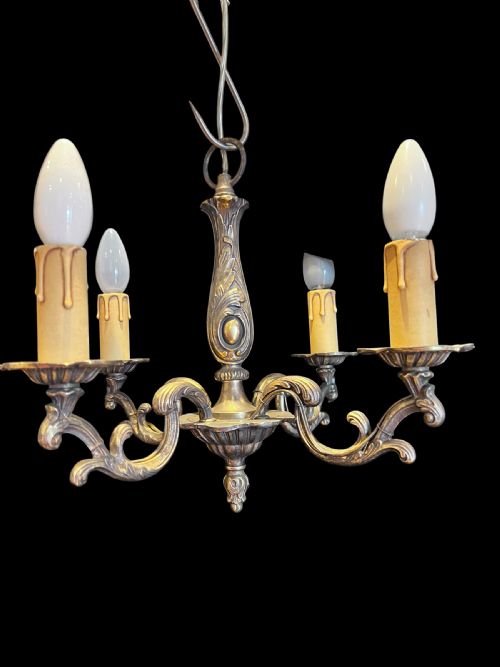
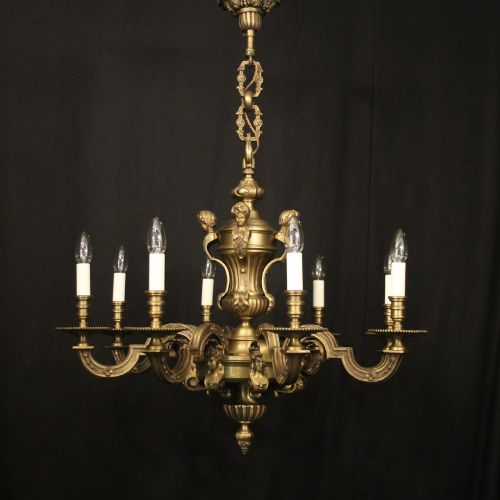
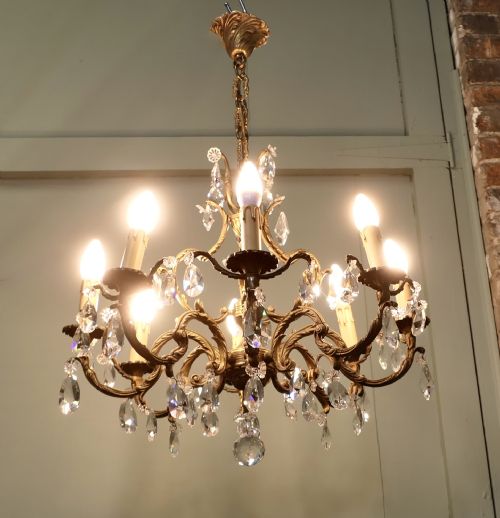
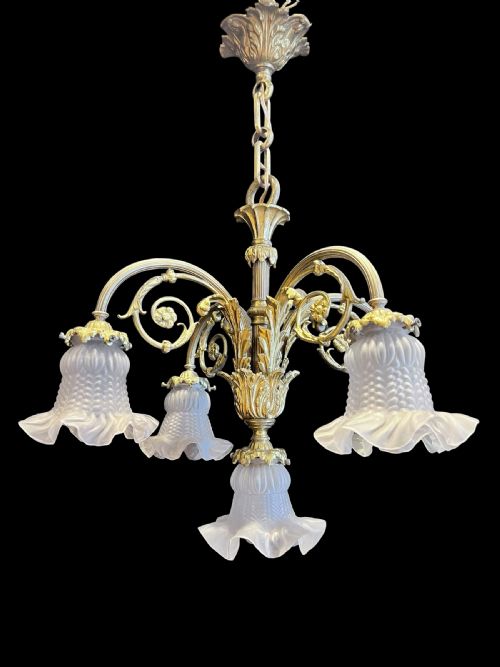
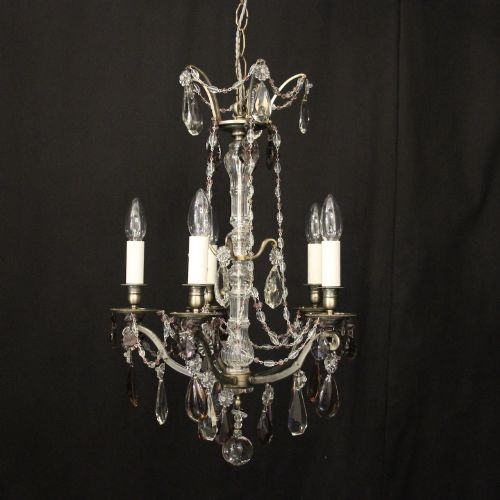
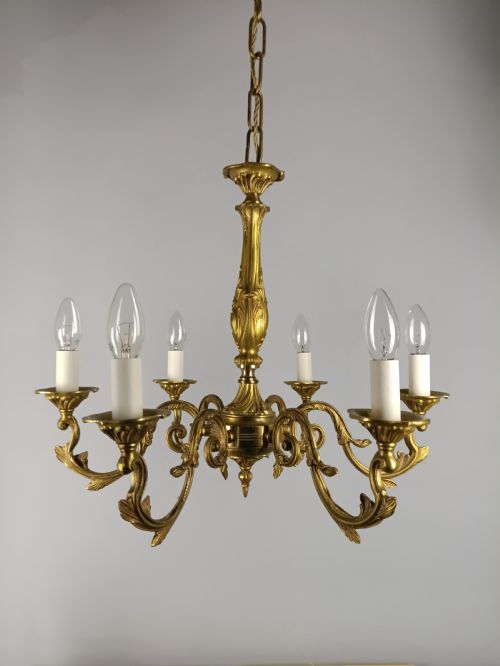
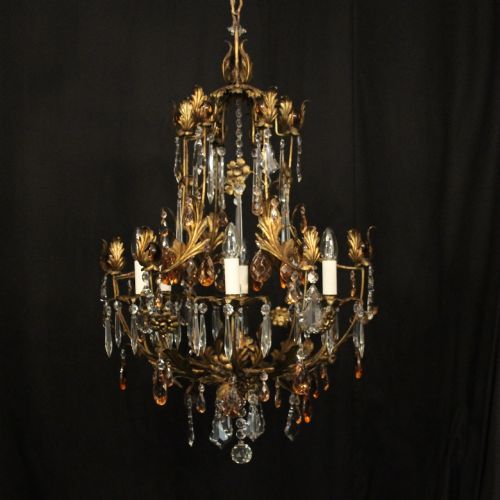
An ornate french chandelier brings dramatic overhead light to a room through cast metal work and hanging glass prisms.
Ornate French Chandelier
When searching for an ornate french chandelier, buyers encounter multi-armed ceiling lights that stem from nineteenth and early twentieth-century decorative traditions. These fixtures arrive in various formats, from multi-branch brass and bronze frames to hall lanterns and smaller pendant configurations. The designs draw upon historical motifs including rococo scrolls, neoclassical symmetry and empire style grandeur.
The pieces appearing on this page span several decades, reaching from mid-nineteenth century examples up to pieces made around nineteen thirty. Brass and gilt bronze form the structural backbone of these chandeliers, often augmented by hanging crystal lustres or glass drops. Alongside standard ceiling lights, the selection includes related fittings such as wall lights, table lamps and ceiling lanterns.
Materials and construction methods
Maker workshops utilised cast metals such as brass, bronze, gilt bronze and ormolu to build sturdy armatures capable of supporting multiple candle or bulb branches. These metal frames received applied surface treatments including silver gilding, bronze patination or bright gold finishes to catch the ambient light. Cast details like acanthus leaf mounts and figurative elements added sculptural depth to the metalwork.
Ornate French Chandelier Retail Price Guide 2026
Typical asking prices for ornate french chandelier among the pieces listed under this phrase on Sellingantiques today, from the lower quarter to the upper quarter. They describe what is for sale here now, not the wider market.
Listings feature pieces spanning from the mid nineteenth century through the Edwardian era to the nineteen thirties, constructed in brass, bronze, crystal and gilt metals.
Assessing quality and craftsmanship
The distinction between tiers of production lies in the crispness of the metal casting and the complexity of the assembly. Finer examples display deeply chased surface detail on bronze or brass mounts, where ornamentation such as foliage or figural cherubs remains sharp and well-defined rather than soft. Heavier gauge metalwork provides structural integrity, supporting large numbers of branching arms without strain.
The proportion and cut of the suspended crystal components also dictate the standard of the piece. Superior items incorporate heavy, light-refracting lustres and intricate drops that hang securely from the frame, whereas simpler versions rely on basic glass elements. The harmony between the metal armature and the glass adornments determines the overall visual presence.
The Ornate French Chandelier Glossary
- Ormolu
- Gilded bronze produced by applying a mercury and gold amalgam to a bronze base and heating the metal until the mercury vaporised. This technique creates a durable golden surface found on high-end nineteenth-century French lighting.
- Lustre
- A cut glass or crystal pendant suspended from a chandelier to reflect and disperse light across the room. These elements appear in various geometric shapes.
- Acanthus leaf
- A classical ornamentation motif carved or cast in metal to resemble the foliage of the acanthus plant. It frequently decorates the arms and mounts of period chandeliers.
- Girandole
- A branched candleholder or light fitting designed to be placed on a table or mounted to a wall. The term sometimes describes compact chandelier forms with mirrored backs.
- Gasolier
- A multi-armed ceiling light originally engineered to burn piped gas before the widespread adoption of electrical wiring. Surviving examples often retain original gas keys or heavy supply tubes.
Ornate French Chandelier: Frequently Asked Questions
How do I hang a heavy chandelier?
Heavy metal and crystal fixtures require direct attachment to ceiling joists using a rated steel hook or bracket capable of supporting the full weight. Professional installation is essential to manage both the physical load and the electrical wiring safely.
Positioning the fixture at the correct height ensures adequate clearance below while anchoring the visual centre of the room. Dining tables and central hallways are traditional locations where height placement receives the most attention.
Can these chandeliers be wired for modern electricity?
Most antique fixtures have undergone conversion from gas or candles to electricity at some point in their history. Rewiring ensures that internal cables meet current safety standards without altering the external antique appearance.
Qualified electricians can replace old cloth or rubber wiring while retaining original sockets or adding compatible candle tubes. Checking the internal channels guarantees that modern flex passes through the arms safely.
How do I clean crystal lustres?
Regular maintenance involves dusting the frame and glass elements with a soft dry cloth or a specialised feather duster. For a deeper clean, remove individual crystal lustres and wash them in lukewarm water with mild soap before drying thoroughly.
Leaving the frame intact on the ceiling while cleaning detached drops prevents accidental damage to the metal arms. Avoiding harsh chemical cleaners protects the historic gilt or bronze surfaces from permanent etching.
What defines the French Empire style?
The French Empire aesthetic draws upon classical Greek and Roman motifs, favouring formal symmetry, military symbols and architectural dignity. Ormolu bronze and dark patinated bronze often appear in striking contrast within these designs.
Fixtures from this design tradition project an air of monumental scale and structured restraint compared to the flowing asymmetry of earlier rococo pieces. This style dominated the early nineteenth century before evolving into later revival movements.