



Ornate Floral Vase
An ornate floral vase brings vibrant botanical detail and decorative period craftsmanship directly into a room.
Ornate Floral Vase
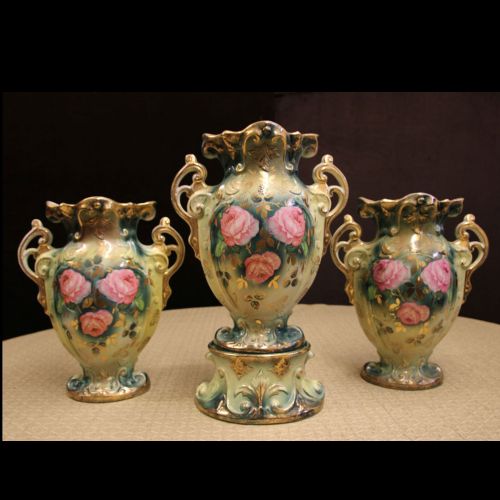
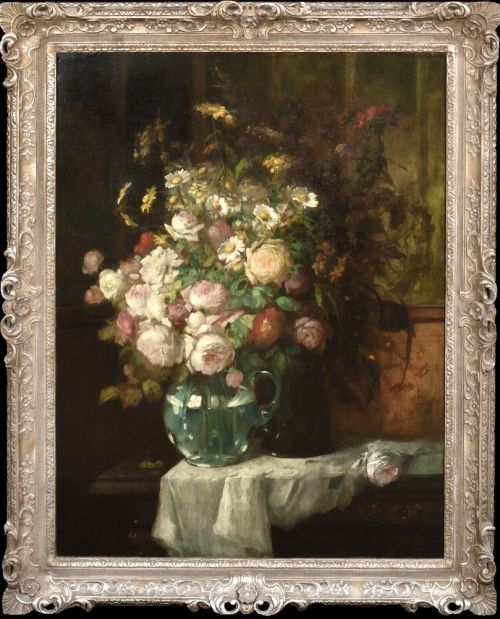
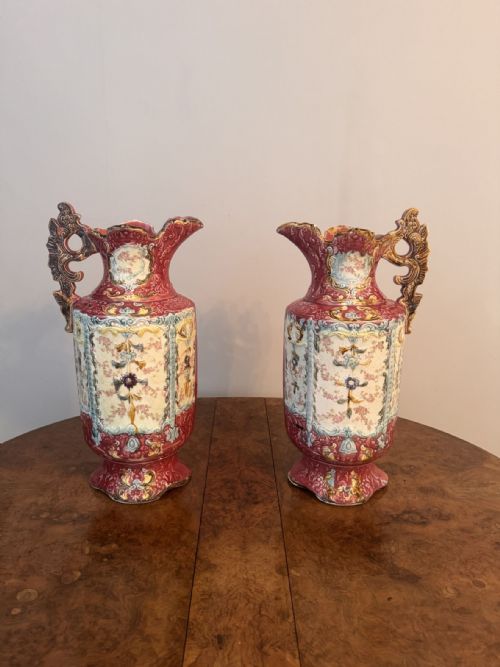
An ornate floral vase encompasses a diverse selection of decorative items celebrating botanical motifs, ranging from porcelain vessels to painted depictions on canvas. When searching for an ornate floral vase, buyers encounter Victorian ceramic wares, French porcelain creations, and still life oil paintings capturing floral arrangements.
The pieces appearing here span the late eighteenth century through to the early twentieth century, taking the form of ewers, flower holders, clock garnitures, and mantle displays. These items reflect stylistic influences including Victorian, Rococo Revival, French Belle Epoque, and Dutch School traditions.
Ceramic forms dominate the physical vessels, often paired with stands, gilt details, or crystal glass construction. Alongside three-dimensional porcelain urns and ewers, the selection includes oil paintings on canvas and oak panel depicting floral subjects.
Materials and construction methods
Physical vessels rely heavily on ceramic bodies such as porcelain and earthenware, shaped into ewers, bowls, and urns. These ceramic pieces frequently incorporate glaze and paste gilt decoration, alongside specialised additions like crystal glass and gold leaf.
Painted works utilise oil paint applied to canvas, oak panels, and glass surfaces to capture floral subjects in detail. Supporting furniture utilises wood, exemplified by mahogany plant stands designed to display decorative vessels.
Manufacturing techniques across the ceramic items involve moulded or thrown clay bodies finished with applied decoration and fired glazes. Paintings employ traditional brushwork on prepared panels and stretched canvas supports.
Ornate Floral Vase Retail Price Guide 2026
Typical asking prices for ornate floral vase among the pieces listed under this phrase on Sellingantiques today, from the lower quarter to the upper quarter. They describe what is for sale here now, not the wider market.
Listings feature porcelain, earthenware, oil paint, canvas, wood, and gold leaf across multiple nineteenth-century and early twentieth-century styles.
Factors of distinction
Quality in these ceramic and glass objects rests upon the crispness of moulding, the precision of hand-applied gilt work, and the preservation of the glaze. Finer examples display balanced proportions and cleanly executed decorative motifs rather than purely utilitarian construction.
Within painted works, distinction is found in the dexterity of brushwork, the handling of light within floral compositions, and the stability of the support material, whether oak panel or canvas. Superior paintings demonstrate confident draughtsmanship and careful attention to botanical structure.
The Ornate Floral Vase Glossary
- Ewer
- A large jug with a wide spout and handled shape, historically used for water or wine but frequently produced for purely decorative display. These vessels often feature elaborate handles and gilt enrichment.
- Gilt
- A thin layer of gold or gold leaf applied to the surface of porcelain, glass, or wood to provide decorative embellishment. Paste gilt involves a raised mixture applied before gilding to create textured highlights.
- Garniture
- A set of ornamental objects designed to be displayed together on a mantlepiece or sideboard, typically comprising a central clock or vase flanked by matching companions.
- Jardiniere
- An ornamental stand or container designed to hold plants or flowers, often constructed from hardwoods such as mahogany. These stands elevate floral displays within a room.
- Panel
- A flat piece of wood, such as oak, used as a rigid support for oil paintings prior to the widespread adoption of stretched canvas.
Ornate Floral Vase: Frequently Asked Questions
What periods do these pieces represent?
The selection includes items originating from the late eighteenth century through the nineteenth century and into the early decades of the twentieth century. Production dates span from the eighteen-hundreds to the nineteen-thirties.
Specific periods visible in the current grouping encompass Victorian designs, French Belle Epoque pieces, and Dutch School paintings. Each era brings distinct stylistic priorities to the depiction and creation of floral subjects.
How were ceramic vessels decorated?
Makers employed techniques including hand-applied glazes, paste gilt ornamentation, and detailed enamel work. These decorative additions enhanced the sculptural forms of porcelain ewers and glass bowls.
Many pieces incorporated precious materials like gold leaf to accentuate handles, rims, and moulded floral reliefs. This surface enrichment was central to the aesthetic of nineteenth-century decorative arts.
What is a clock garniture set?
A clock garniture is a matched collection of decorative objects intended for simultaneous display, usually featuring a central mantle clock accompanied by matching vases or ewers. These sets served as formal decorative focal points in period interiors.
The matching items share materials, stylistic motifs, and decorative finishes to create a cohesive visual arrangement across a mantlepiece or cabinet top.
How do painted floral works differ from ceramic vessels?
Painted floral works consist of oil paintings on canvas, glass, or oak panels that represent flowers two-dimensionally. These artworks capture botanical subjects through the medium of oil paint and brushwork.
In contrast, ceramic vessels provide three-dimensional forms shaped from porcelain or earthenware. While paintings record floral arrangements visually, vessels serve as decorative objects themselves.