

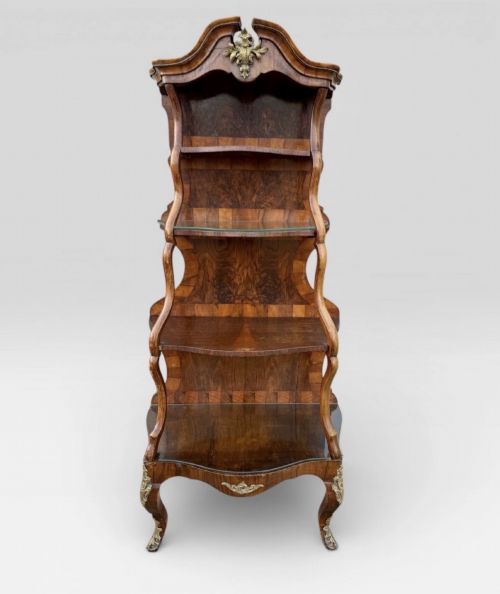


Ornate Display Stand
An ornate display stand holds objects, plants, and books aloft, bringing height and decorative focus to a room.
Ornate Display Stand
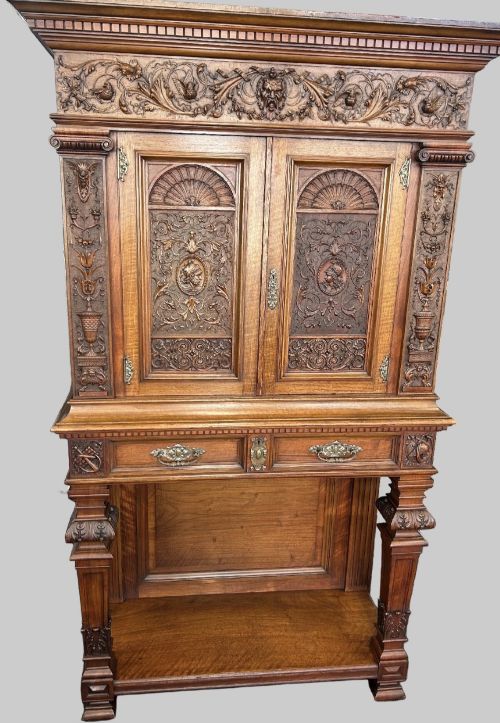
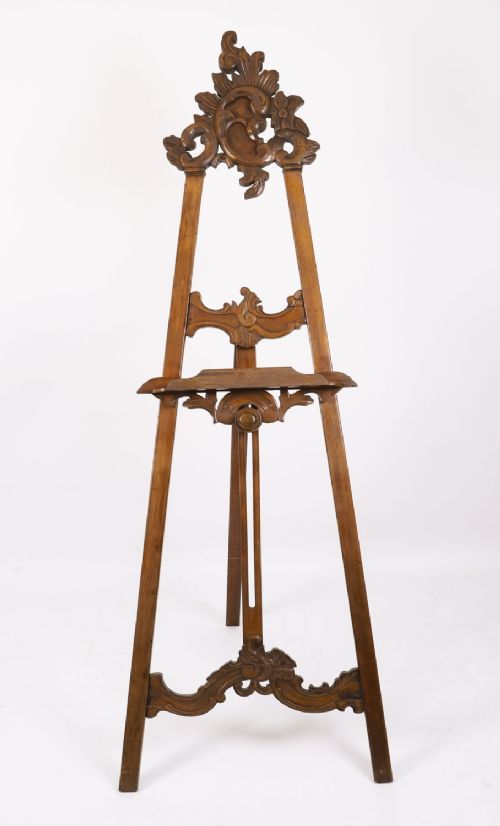
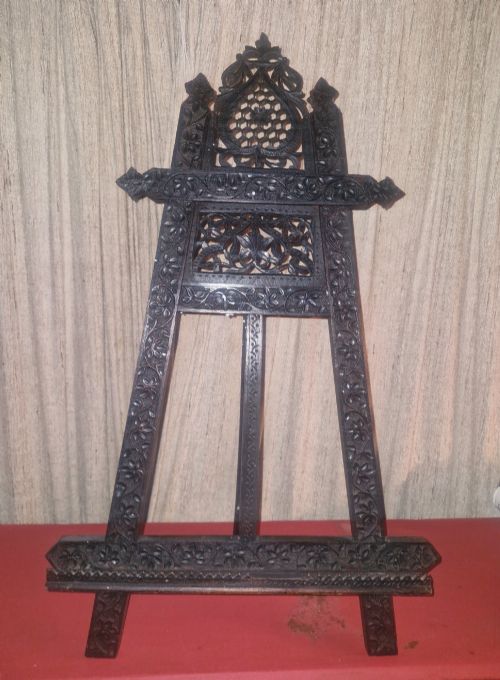
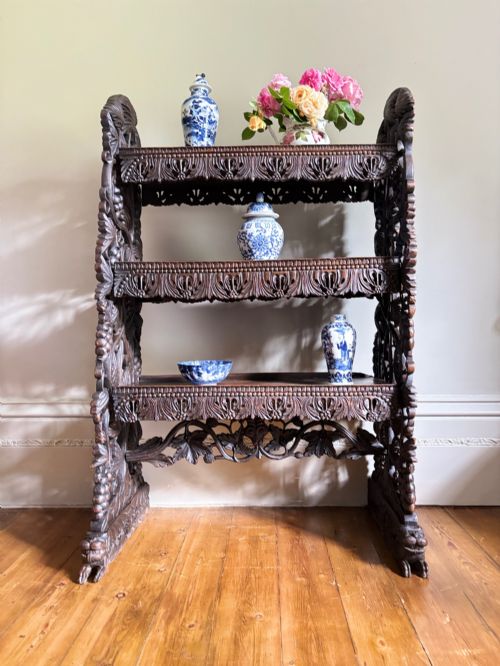
An ornate display stand encompasses varied forms designed to elevate items within a room, from plant stands and torchere pedestals to shelving units, cabinets, and easel displays. These pieces emerge from the nineteenth and early twentieth centuries, spanning Victorian, Edwardian, and international traditions such as Italian Rococo, Anglo-Indian, and French styles.
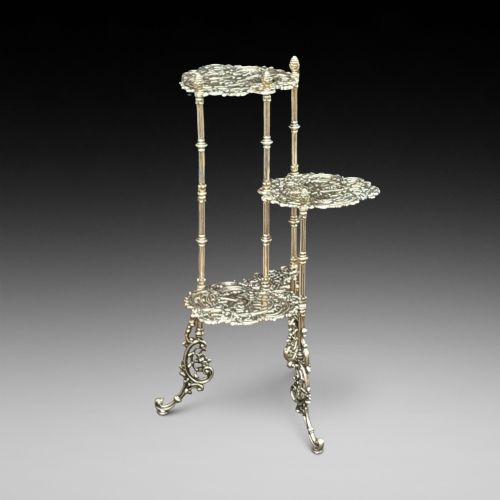
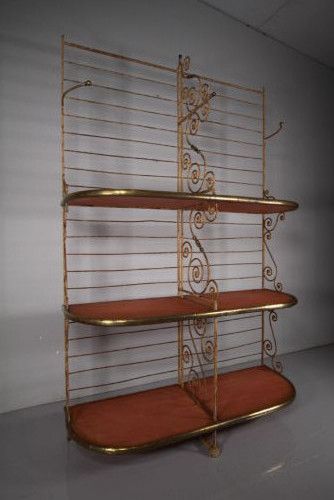
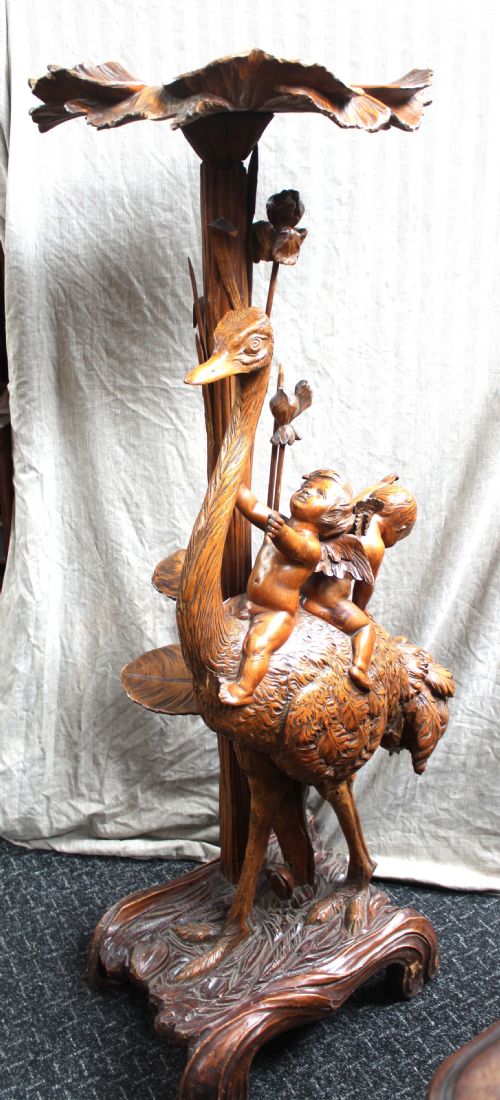
Buyers seeking an ornate display stand encounter works executed in diverse configurations, including tiered plant stands, giltwood shelves, iron bakers' racks, and carved wooden columns. The selection ranges from compact brass pocket watch holders to substantial bronze pedestals and cabinets on stands.
Origins vary widely across these pieces, with English, French, Italian, Chinese, and Indian workshops contributing distinct regional aesthetics and structural approaches. The common thread is a decorative elaboration applied to utilitarian forms intended for domestic presentation.
Materials and Construction
Makers utilised resilient metals and dense timbers to build these structures, combining cast iron, wrought iron, and brass with walnut, mahogany, padauk, and hardwood. Gilding, gold leaf, and gesso frequently finish wooden surfaces, adding reflective brilliance to carved details.
Techniques relied upon manual carving, metal casting, and joinery to achieve complex flourishes such as Rococo scrolls and architectural Revival motifs. Stone components like onyx and red stone occasionally form columns and display surfaces, matched with chased or chiseled brass fittings.
Listings feature 19th-century and early 20th-century pieces, spanning Victorian and Edwardian periods alongside French and Italian revival styles.
Assessing Quality and Execution
Quality rests in the depth and sharpness of the carving, the crispness of metal castings, and the integrity of joints across complex multi-tiered assemblies. Pieces bearing maker stamps or specific workshop attributions demonstrate superior provenance and higher standards of cabinetmaking or metalworking.
The choice of materials dictates refinement, where solid hardwoods, heavy bronzes, and finely applied gold leaf outclass simpler cast iron or standard softwood alternatives. Surface patination and the preservation of original gilding or polish determine the visual authority of the piece.
Gillows
The Ornate Display Stand Glossary
- Torchere
- A tall stand designed to support a light or display an object at height. These slender pedestals frequently feature carved giltwood or bronze construction.
- Jardiniere
- A decorative container or stand for holding plants and flowers. They appear in ceramic, metal, and carved wood configurations.
- Gesso
- A plaster mixture applied to wood surfaces as a base for gilding or painting. It allows artisans to mould intricate relief ornamentation.
- Chevalet
- An artists easel adapted for tabletop display. These folding frames support pictures or books securely.
- Padauk
- A heavy tropical hardwood valued for its strength and rich colour. It appears frequently in Anglo-Indian furniture.
Ornate Display Stand: Frequently Asked Questions
What is an ornate display stand used for?
These stands serve to elevate and showcase decorative objects, plants, books, and art pieces within domestic interiors. They create vertical interest and organise collections across multiple tiers or surfaces.
Historically, specific forms functioned as plant holders, picture easels, or pedestals for candelabra and sculptural works.
How do I identify the period of a stand?
Dating relies upon stylistic markers such as Victorian revival motifs, Belle Epoque flourishes, or Regency lines combined with material analysis. Examining construction methods, timber types, and wear patterns helps establish the manufacturing era.
Makers' stamps and registration marks offer definitive evidence of production dates when present.
Where should I place a pedestal in a room?
Tall pedestals and torcheres suit corners or empty wall spaces where they draw the eye upward and break horizontal lines. Tiered stands work well near windows for plants or as standalone accent furniture.
Ensure the footprint matches the stability needed for heavier items like stone columns or cast iron racks.
Are iron stands suitable for indoor use?
Cast and wrought iron stands transitioned from practical commercial or garden settings, such as patisserie and bakers' racks, into domestic display furniture. Their sturdy metallic frames provide industrial contrast in modern living spaces.
Protective finishes on these metal structures prevent marking on delicate flooring.