





Ornate Display Pedestal
An ornate display pedestal elevates your finest objects, bringing structure and classical elegance to any room.
Ornate Display Pedestal
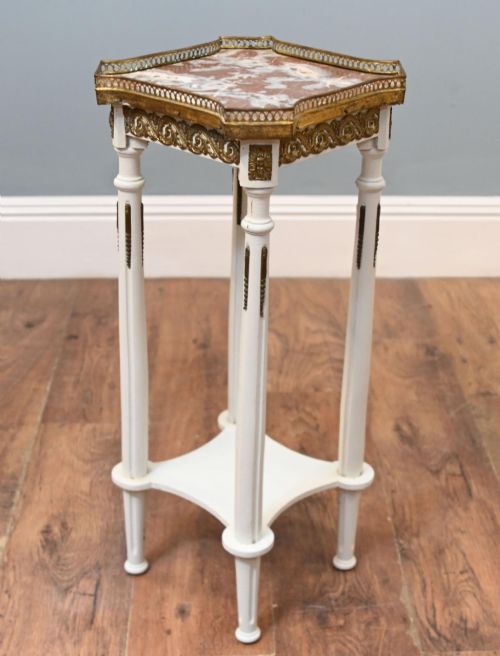
An ornate display pedestal serves as a raised platform for sculptural works, vases, and plants, elevating them for better viewing within a room. These pieces range from architectural columns to elaborate plant stands and torcheres designed to draw the eye.
The versions you will most commonly encounter here span the Victorian, Edwardian, and twentieth-century periods, drawing on Italian Renaissance Revival, French Chateau, and Chinese Export styles. They function equally well supporting a bronze sculpture or standing alone as a structural feature.
Makers and artisans utilised diverse forms including slender plant stands, multi-tiered tables, and heavy carved columns. Each object reflects the aesthetic preferences of its era, from nineteenth-century giltwood to later brass and onyx combinations.
How they were made
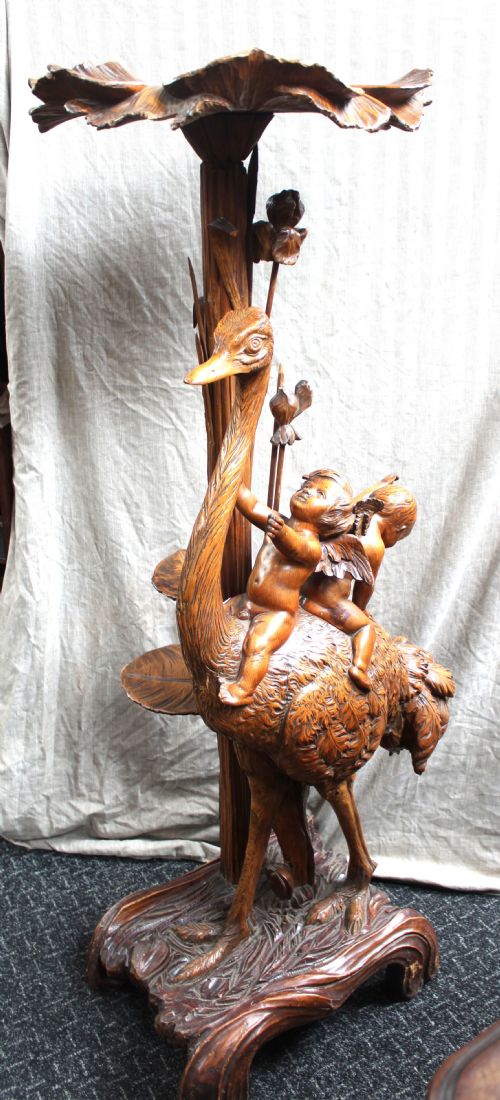
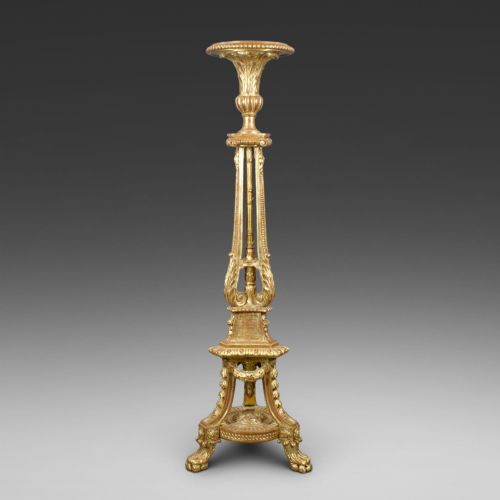
Carved timber stands rely on hardwoods, walnut, and giltwood, often finished with gesso and gold leaf to create reflective, ornate surfaces. Artisans shaped these woods with intricate relief patterns that mimic classical architectural elements.
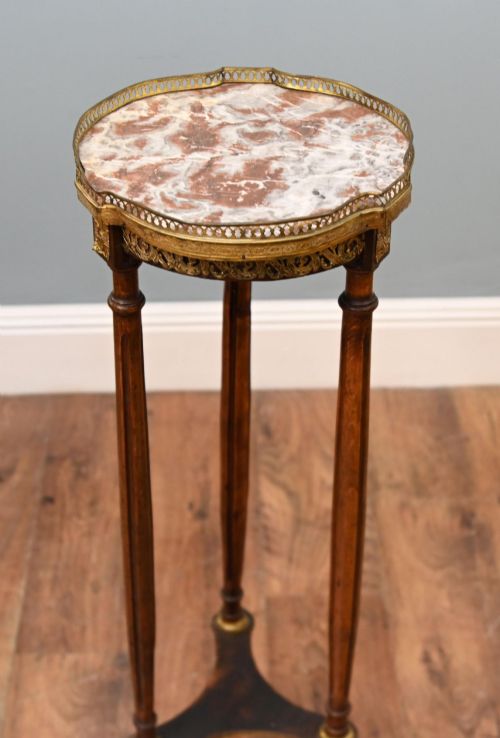
Metal and stone pieces incorporate cast iron, chiseled brass, bronze, onyx, and red stone columns. These heavier materials provide stable structural support while offering contrasting textures and polished finishes.
Ornate Display Pedestal Retail Price Guide 2026
Typical asking prices for ornate display pedestal among the pieces listed under this phrase on Sellingantiques today, from the lower quarter to the upper quarter. They describe what is for sale here now, not the wider market.
Listings feature pieces spanning the nineteenth and twentieth centuries, utilising materials from giltwood and marble to chiseled brass and onyx.
What varies in quality
Depth of carving and crispness of detail separate standard utility stands from masterworks of the Victorian and Renaissance Revival periods. Hand-chiseled metalwork and deeply undercut wood carving demonstrate superior artisan skill.
Material selection dictates the weight and presence of the piece, with solid marbles, dense hardwoods, and genuine gold leafing marking the higher end of the range. Secondary timbers and lesser cast metals indicate more utilitarian production.
The Ornate Display Pedestal Glossary
- Giltwood
- Wood that has been coated with a thin layer of gold leaf. This technique creates a bright, reflective surface popular in Neoclassical and Renaissance Revival designs.
- Torchere
- A tall stand or candlestick originally designed to hold a light source. In later periods, these evolved into decorative pedestals for displaying sculpture or plants.
- Jardiniere
- An ornamental pot or stand for holding plants and flowers. Often integrated into ornate stands to combine botanical display with furniture.
- Gesso
- A plaster-like mixture applied to wood surfaces as a base for gilding or painting. It allows craftsmen to model intricate low-relief decorations before applying gold leaf.
- Onyx
- A banded variety of chalcedony prized for its translucent quality and smooth polish. It appears frequently as a decorative top or column section in brass combination tables.
Ornate Display Pedestal: Frequently Asked Questions
What is an ornate display pedestal used for?
These pieces provide an elevated platform for displaying sculptures, urns, and large house plants within a reception room or hallway. By lifting objects off the floor, they create focal points and improve the visual balance of interior spaces.
Historically, they also served as torchere stands to illuminate dark corners with candles or oil lamps before electric lighting became common.
How do I choose the right height?
Consider the height of the object you plan to place on top and the overall scale of your room. Taller torcheres work well in corners or framing doorways, while lower plant stands suit sitting areas.
Ensure the top surface area matches or exceeds the base footprint of your display piece to maintain stability.
Are these suitable for heavy sculptures?
Solid stone columns, cast iron stands, and heavy hardwood pedestals offer substantial weight capacities for bronze or marble figures. Lighter bamboo or multi-tiered brass and onyx tables are better suited for plants and smaller decorative objects.
Check the base footprint and material density to gauge the overall stability before placing heavy items.
How do I care for giltwood surfaces?
Dust giltwood and gold leaf surfaces gently with a soft, dry ostrich feather duster to prevent scratching the delicate metallic finish. Avoid using liquid cleaners, moisture, or chemical polishes, as these can strip the gold leaf and damage the underlying gesso.
Keep the pieces away from direct sunlight and radiators to prevent the wood from drying out and cracking.
How can I tell the period of a pedestal?
Examine the stylistic cues, such as Renaissance Revival strapwork, Belle Epoque curves, or Neoclassical columns, which align with specific nineteenth and early twentieth-century dates. Material combinations, such as twentieth-century brass paired with onyx, also help narrow down the decade of production.
Tool marks and construction methods visible underneath or inside joints provide further clues to the age of the woodwork.