





Ornamental Table Light
An ornamental table light brings together period metalwork and soft illumination, offering a practical way to anchor a room with antique character.
Ornamental Table Light
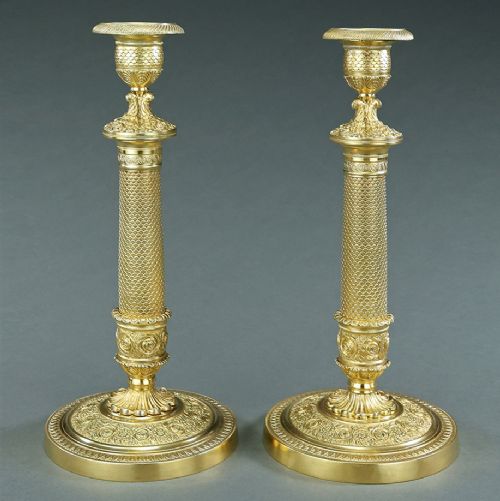
An ornamental table light encompasses converted candlesticks, candelabra, and desk lamps originating primarily from the nineteenth and early twentieth centuries. These pieces transition from traditional wax holders to electrified lighting while retaining their decorative brass, bronze, and ormolu structures.
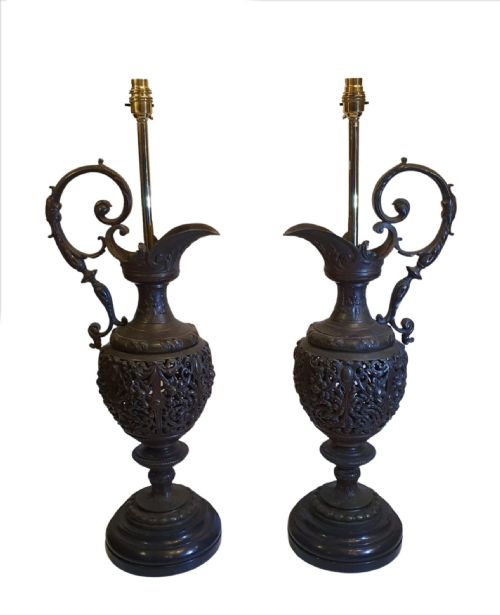
The inventory on this page shows a strong presence of matched pairs and single fittings styled in French Empire, Neoclassical, and Victorian aesthetics. Buyers often encounter candelabra fitted with multiple branches alongside classical column lamps mounted on marble or onyx bases.
How they were made
The construction of an ornamental table light relies heavily on cast metals such as brass, bronze, and gilt metal, often finished with patination or mercury gilding known as ormolu. Workshops utilised heavy casting techniques to form intricate mounts, classical masks, and figural details which were then hand-chased and assembled.
Many of these lighting fixtures began their lives as oil lamps, candlesticks, or candelabra before later conversion to electricity. Secondary materials like marble, onyx, crystal, and applied fabric or silk shades complete the structure, blending functional metalwork with decorative support.
Ornamental Table Light Retail Price Guide 2026
Typical asking prices for ornamental table light among the pieces listed under this phrase on Sellingantiques today, from the lower quarter to the upper quarter. They describe what is for sale here now, not the wider market.
Object types include standard lamps, desk lamps, candlesticks, candelabra, and floor lamps influenced by French Empire and Victorian styles.
What varies in quality
The fineness of the cast metalwork and the crispness of the hand-chased detail separate standard production from superior examples. High-grade pieces display deep relief in classical masks, well-defined figures, and a rich, undisturbed ormolu or patinated finish on the bronze.
Integrity of form also dictates quality, particularly where original components remain intact rather than heavily replaced during conversion. The inclusion of genuine materials like white marble bases, quality crystal drops, and substantial brass mounts elevates the overall construction of the piece.
Holtzapffel
The Ornamental Table Light Glossary
- Ormolu
- A technique of applying finely ground high-carat gold to a bronze object using a mercury amalgam. It produces a rich golden finish characteristic of French decorative metalwork.
- Candelabra
- A branched lighting fixture designed to hold multiple candles or electric fittings. They frequently feature central stems and removable branches.
- Patination
- The surface alteration of metal resulting from age, wear, or chemical treatment. A good patination shows depth and history rather than uniform modern plating.
- Classical Column
- An architectural support form utilised for lamp bases, mimicking ancient Greek or Roman orders like Doric or Corinthian capitals.
Ornamental Table Light: Frequently Asked Questions
Are these lamps originally electric?
Most pieces in this category began as nineteenth-century oil lamps, candlesticks, or candelabra. They were subsequently converted to electric table lamps to suit modern interiors.
This conversion process preserves the antique metalwork while integrating modern wiring for everyday use in a home.
How do I identify French Empire style?
French Empire pieces draw heavily on ancient Roman, Greek, and Egyptian motifs. You will notice symmetrical designs, classical masks, and laurel wreaths executed in heavy bronze or gilt metal.
This aesthetic dominated the early nineteenth century and emphasises formal grandeur and structural discipline.
Where should I place a candelabra lamp?
Large candelabra and multi-branched lamps suit sideboards, large console tables, or spacious desks where their height and width find proper balance. They provide ambient illumination rather than focused reading light.
Ensure the surface can support the substantial weight of bronze and brass construction.
What is Napoleon III style?
Napoleon III design reflects the eclectic tastes of the Second French Empire, reviving Rococo and Renaissance influences. These pieces often mix patinated bronze with crystal drops and ornate mounts.
They offer a decorative presence that suits both traditional and eclectic modern interior schemes.