

Original Yorkshire Landscape
An original yorkshire landscape brings the character of northern dales, coastlines and moorlands directly into a room through authentic period works.
Original Yorkshire Landscape
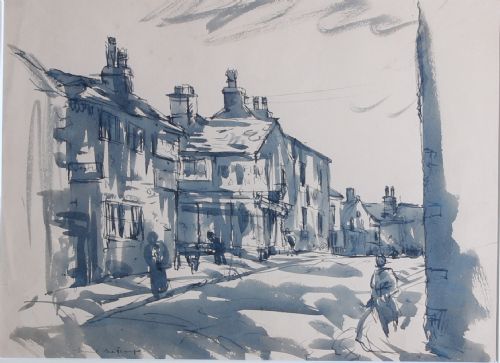
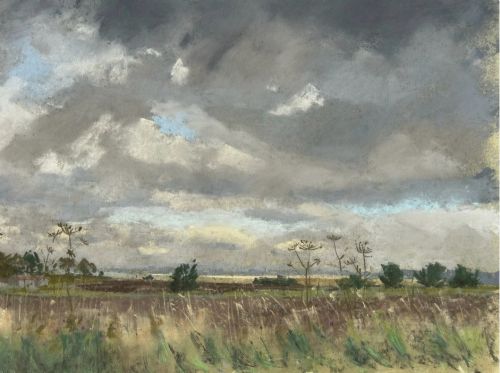
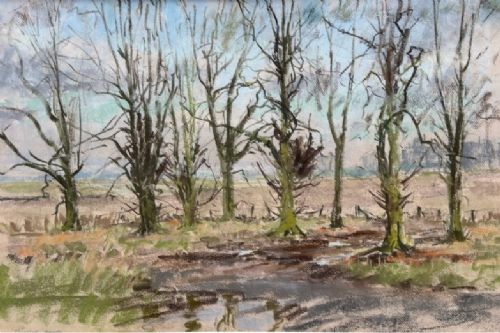
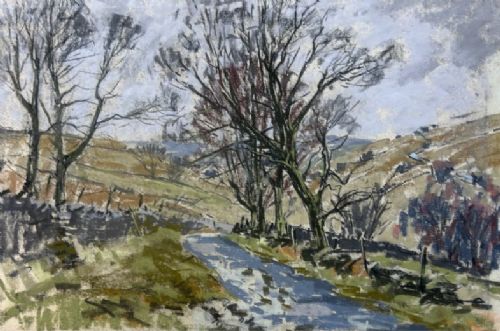
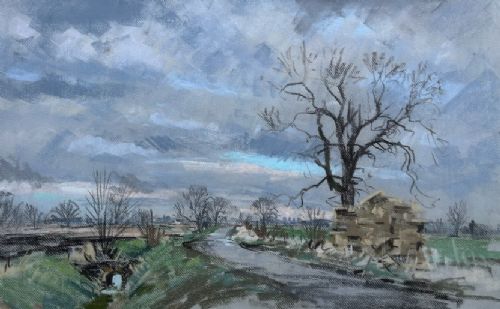
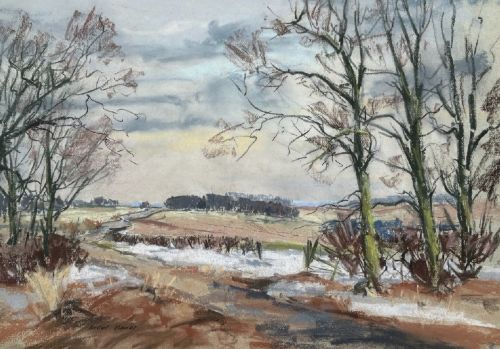
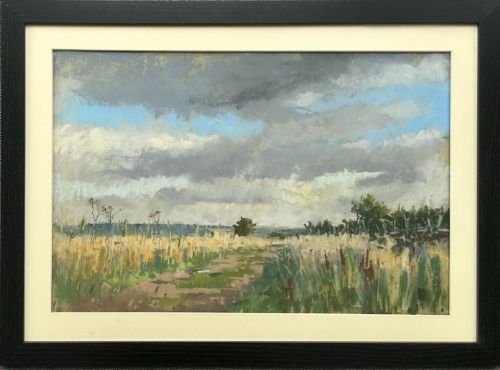
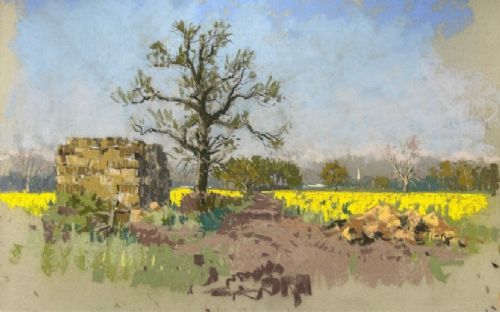
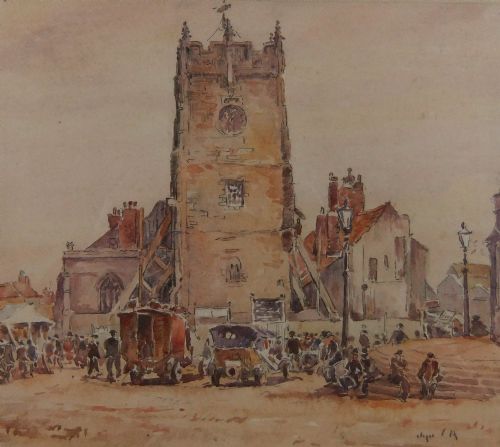
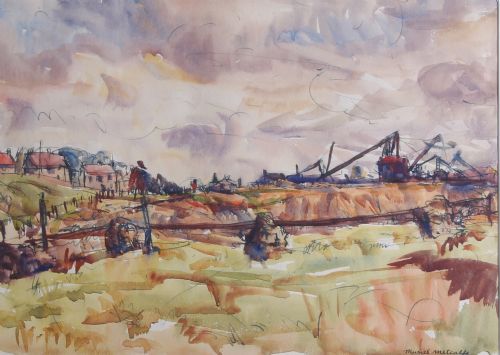
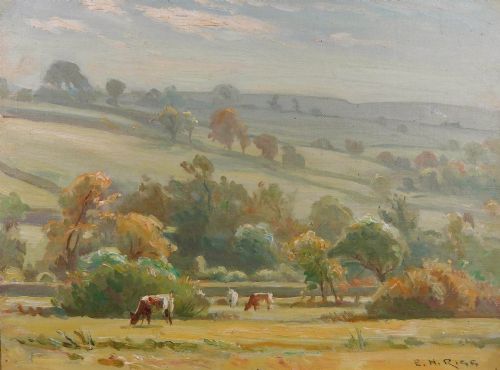
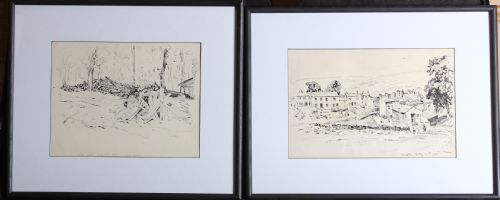
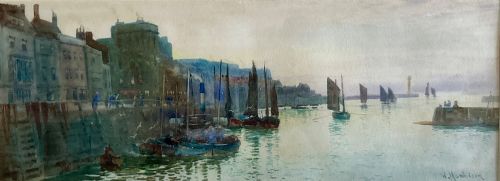
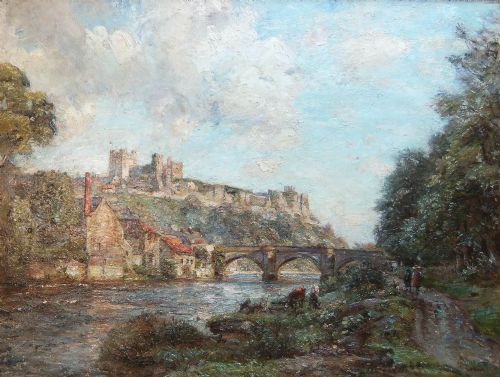
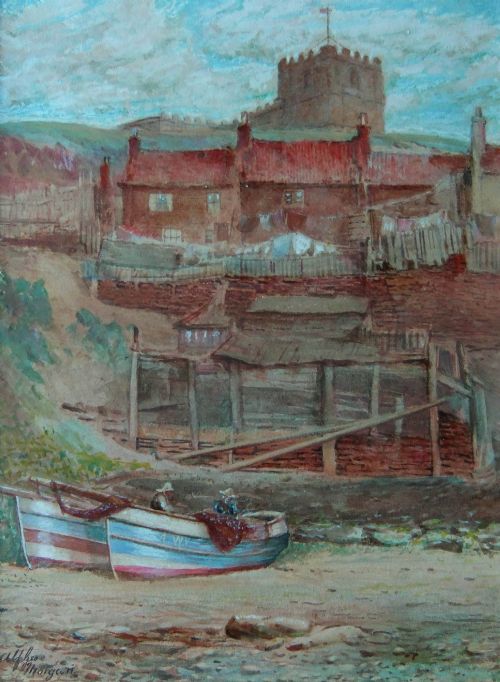
An original yorkshire landscape comprises paintings, drawings and watercolours depicting scenes across the county from the late nineteenth century through to the mid-twentieth century. Buyers encounter coastal views of Whitby, pastoral river valleys such as Wharfedale and Wensleydale, and upland scenes of the moors and dales.
The works span several distinct artistic movements, including Victorian realism, British impressionism and modern British styles. Common formats include single framed watercolours on paper, oils on canvas and pastel drawings originating from artist studio portfolios.
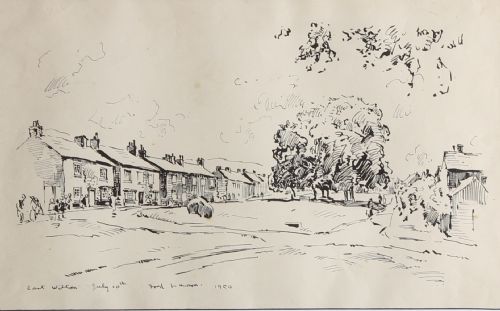
Depicted locations range from specific Yorkshire villages like East Witton and Bolton Castle to broader rural and coastal expanses captured by regional artists.
Materials and Techniques
Artists worked primarily with watercolour pigment on paper and oil paint applied to canvas or wood boards, occasionally turning to pastel on paper. Ink was also utilised for initial line work in watercolour drawings.
Supports varied according to the medium, with canvas stretched over wooden frames for oils and heavier paper stocks used for watercolours and pastel drawings. Glazing and wooden frames protected works on paper from environmental damage.
Original Yorkshire Landscape Retail Price Guide 2026
Typical asking prices for original yorkshire landscape among the pieces listed under this phrase on Sellingantiques today, from the lower quarter to the upper quarter. They describe what is for sale here now, not the wider market.
Listings feature works spanning from eighteen-ninety through to nineteen-sixty, using paper, canvas, oil paint, watercolour pigment, and pastel.
Assessing the Works
Quality rests upon the handling of light and atmospheric conditions, particularly in capturing the specific quality of northern evening light or winter snow scenes. Stronger compositions demonstrate a confident command of proportion and perspective within rural and marine settings.
The directness of the brushwork or pastel application distinguishes more accomplished pieces, where artists convey texture in foliage, stone cottages and coastal waters with deliberate economy. Provenance originating from artist studio portfolios also contributes to the historical interest of individual works.
Angus Rands·Muriel Metcalfe·Fred Lawson·John Smith Atherton·Ernest Higgins Rigg·Herbert Royle·Alfred G. Morgan·William Matthison·William Greaves·Walter Goodin·Robert Little·Cuthbert Crossley·Reginald Grange Brundrit·George Graham·Arthur Tucker·Robert Leslie Howey·Owen Bowen·Tom Clough·James Watson·George Weatherill·Florence Hess
The Original Yorkshire Landscape Glossary
- Watercolour
- A painting method where fine pigment is suspended in a water-based solution and applied to paper. This technique allows for translucent washes that capture shifting weather and light.
- Oil paint
- A slow-drying medium made by embedding pigment particles in a drying oil, typically applied to canvas or wood. It permits rich colour saturation and textured impasto application.
- Pastel
- A dry drawing medium consisting of powdered pigment and a binder formed into sticks. It produces velvety surfaces with soft tonal transitions.
- Diptych
- An artwork made of two separate painted panels or sheets designed to be displayed together as a single matched pair. These often depict related architectural or coastal views.
- Provenance
- The documented history of ownership tracing a work from the artist's studio or original sale to the present day. This record supports the authenticity of the piece.
Original Yorkshire Landscape: Frequently Asked Questions
What subjects appear most often?
The subjects focus heavily on recognisable Yorkshire landmarks, including Whitby harbour and abbey, Bolton Castle, and various dales and moorland villages. Coastal scenes feature fishing boats and marine views alongside inland farmyards and river valleys.
Depictions extend across different seasons, capturing winter snow scenes in Wensleydale as well as summer and evening light across Wharfedale and surrounding pastures.
How should these works be framed?
Works on paper such as watercolours and pastels require conservation framing behind glass to protect the delicate pigments from moisture and ultraviolet light. Acid-free mounts should separate the paper from the glazing.
Oil paintings on canvas or wood generally require a suitable wooden frame that supports the edges without restricting the painted surface, hung away from direct heat sources.
How do I identify the period?
Period attribution relies on stylistic traits, framing materials, and documentation such as artist signatures, dates inscribed on the reverse, or studio portfolio provenance. Victorian and Edwardian pieces often display traditional realism, whereas works from the nineteen-thirties onward reflect mid-century British approaches.
Signatures and exhibition labels on the backboards or stretchers provide further clues to the exact decade of creation.
Were these painted outdoors?
Many watercolours and pastels were executed directly on location as plein-air studies to capture immediate weather conditions and light. Artists often used these field sketches to inform larger compositions worked up later in the studio.
Oil paintings on canvas sometimes combined field observation with studio refinement, depending on the scale and complexity of the Yorkshire landscape.