
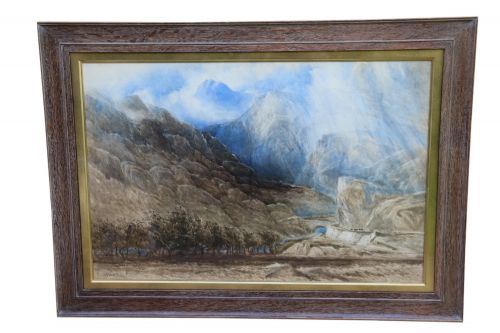


Original Welsh Painting
An original welsh painting captures the topography and light of Wales through the hands of artists working across the nineteenth and twentieth centuries.
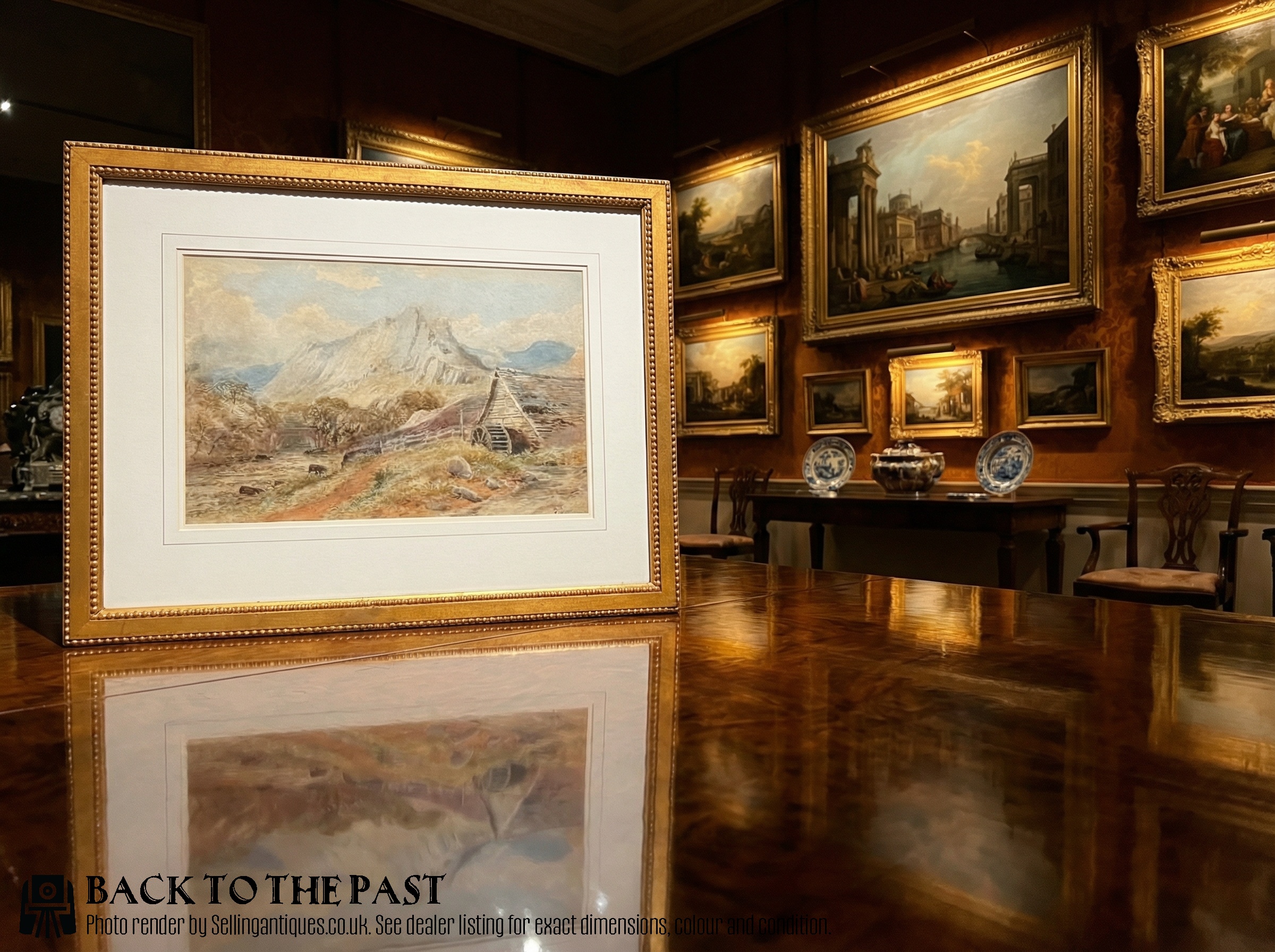
Original Welsh Painting
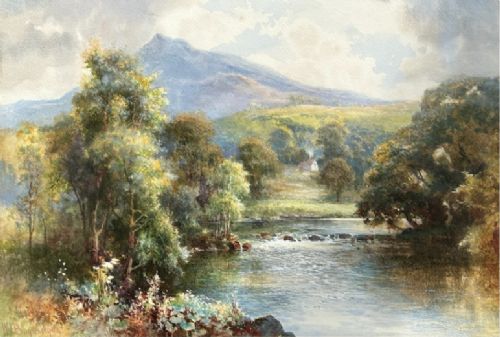
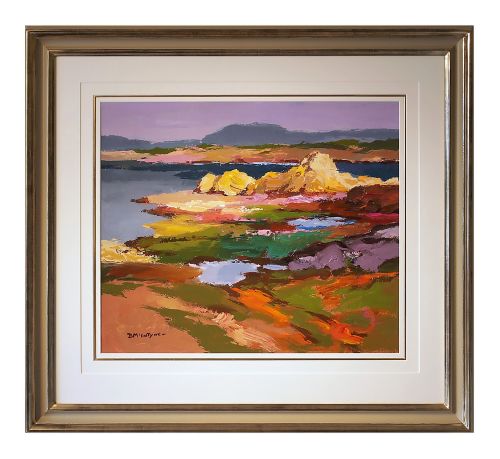
An original welsh painting encompasses works depicting regional topography, valleys, rivers, and coastal scenes from locations such as Snowdonia, Conwy, and Cardigan Bay. The selection ranges from nineteenth-century watercolour views to mid-century modern oil paintings executed on canvas or board.
The material record includes framed works on paper, wood panel, and canvas, frequently signed by regional and visiting artists who documented the Welsh landscape. These pieces often feature specific local landmarks, rivers, and mountain ranges recorded across the Georgian, Victorian, and Edwardian eras.
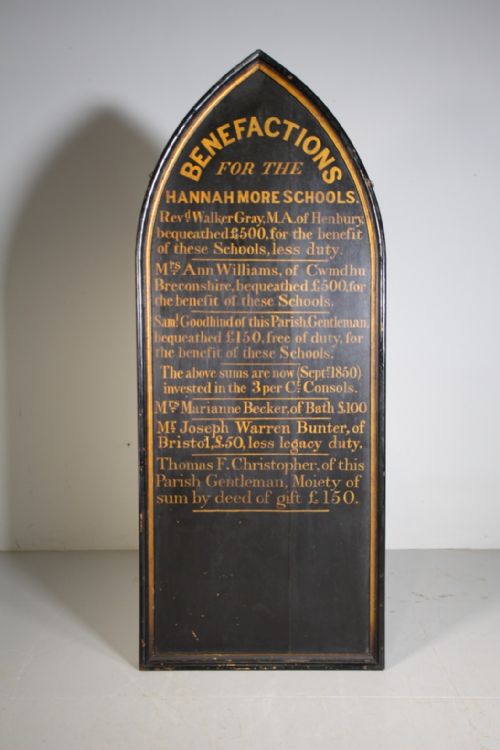
While the primary focus rests on fine art paintings, the broader category occasionally incorporates related painted items such as signs, decorative panels, and boxes bearing historic finishes.
Materials and Technique
Artists utilised traditional media such as watercolour on paper and oil paint applied to canvas, wood panels, or card supports. These materials were chosen for their durability and capacity to render fine atmospheric effects in landscape painting.
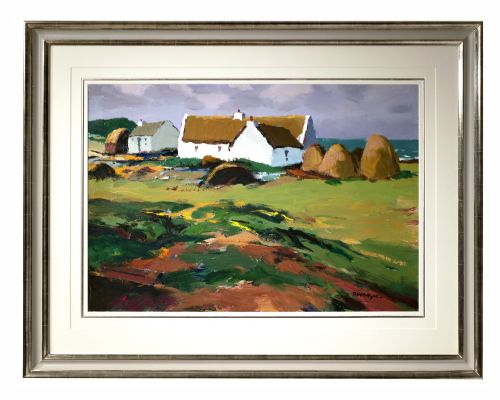
Framing typically involved timber mouldings, sometimes finished with giltwood or painted surfaces that match the period of the artwork. Canvases were stretched over wooden frames, whilst watercolours were mounted under glass to protect the pigment and paper substrate.
Listings feature works from the Georgian period through to the mid-twentieth century, executed in oil, watercolour, and mixed media.
Assessment of Quality
Quality depends upon the artist's ability to capture light, depth, and atmospheric perspective within the Welsh terrain, distinguishing accomplished compositions from standard topographical sketches. Brushwork, handling of paint, and compositional balance differentiate professional works from amateur efforts.
Condition plays a role in the evaluation, encompassing the stability of the paint layer, freedom from heavy foxing on paper supports, and the preservation of original framing elements or historic painted surfaces.
Donald McIntyre·Cornelius Pearson·John Syer·Benjamin Williams Leader·Alfred de Breanski
The Original Welsh Painting Glossary
- Watercolour
- A paint consisting of a pigment suspended in a water-based solution, typically applied to paper supports. It allows for transparent washes and delicate tonal gradations.
- Oil on Canvas
- A technique where oil-based paints are applied to a woven fabric stretched across a wooden frame. This method permits rich colour blending and textured brushwork.
- Giltwood
- Timber carved and coated with a thin layer of gold leaf or metallic gilt powder. It is commonly found on traditional picture frames.
- Wood Panel
- A rigid flat surface made from timber used as a support for oil paintings. Panels were favoured for their stability prior to the widespread adoption of canvas.
- Vernacular
- Architectural styles and decorative arts created by local craftsmen using regional materials and traditional techniques. It reflects local customs rather than academic architectural trends.
Original Welsh Painting: Frequently Asked Questions
What subjects appear in these paintings?
The works predominantly display Welsh landscapes, including river valleys, mountain ranges, coastal views, and rural homesteads. Locations frequently featured comprise Snowdonia, Conwy, and Cardigan Bay.
Artists focused on recording the shifting light over regional topography, capturing weather conditions, local livestock, and rural inhabitants within the scenery.
How do I date a Welsh landscape painting?
Dating relies upon stylistic markers, artist signatures, framing methods, and stretcher construction. Nineteenth-century works often exhibit detailed academic realism, whilst mid-century pieces display broader brushwork and modernist influences.
Examine any inscriptions, labels, or signatures verso, as artists frequently titled and dated their watercolours and canvases on the reverse side.
Are these paintings supplied framed?
Many listings include period frames, which may consist of giltwood, moulded wood, or simple painted surrounds. These frames often complement the age and origin of the artwork.
Buyers should check individual listing details to confirm whether the piece retains its original framing or has been subsequently mounted.
Where were these artists active?
The painters recorded in the collection worked both locally within Wales and as visiting artists drawn to the dramatic topography of Snowdonia and the river valleys. Locations span North, Mid, and South Wales.
Many practitioners exhibited at major institutions while maintaining a distinct focus on Welsh scenery and rural life.