

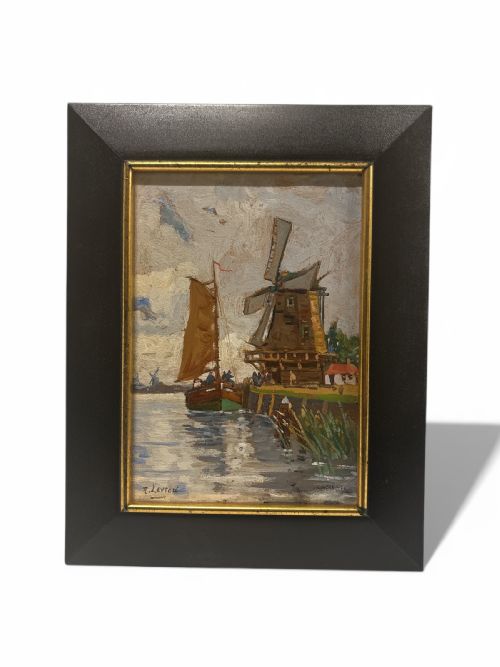

Original Vintage Painting
When buying an original vintage painting, you are investing in a direct piece of history captured by hand on canvas, wood panel, or paper.
Original Vintage Painting
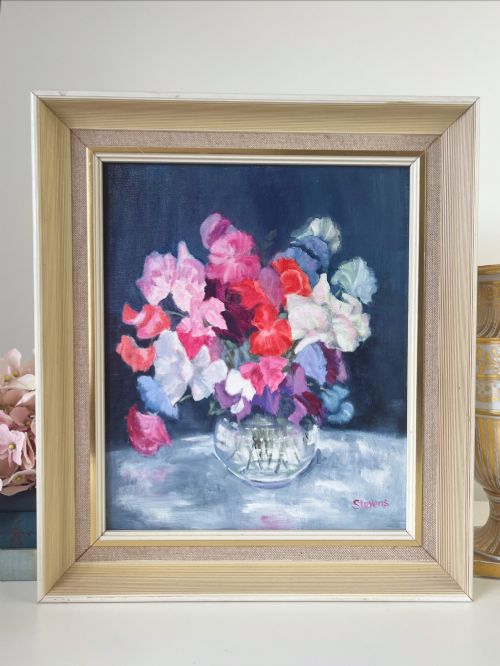
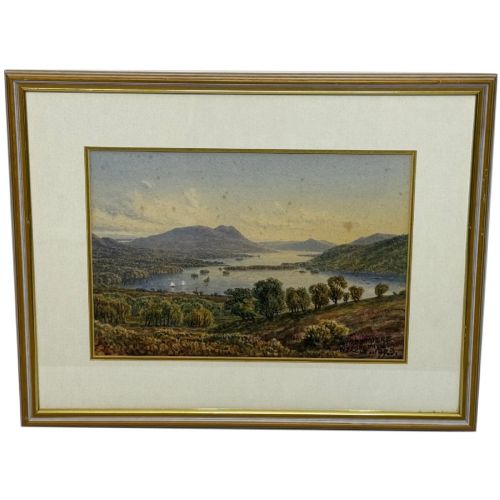
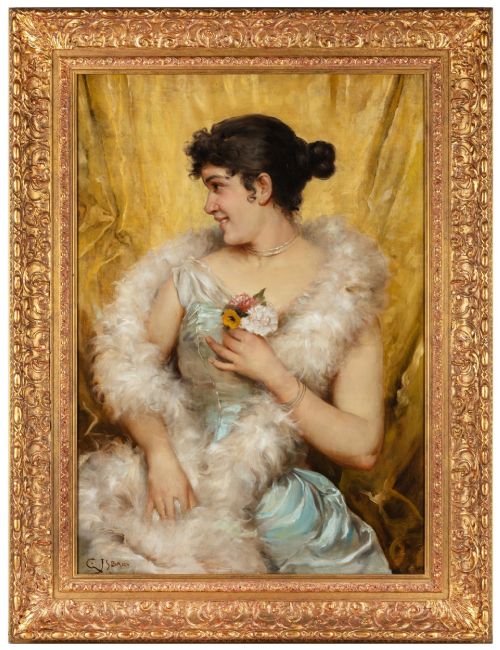
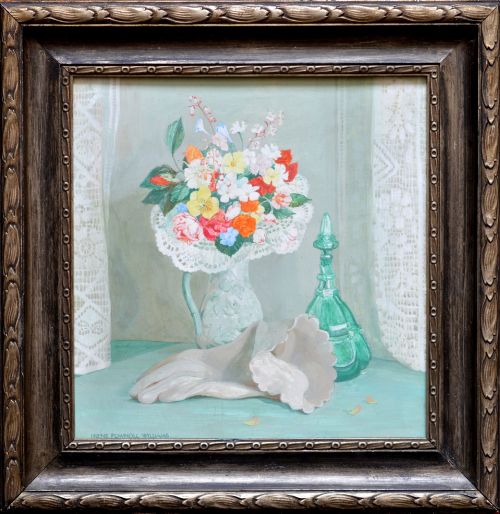
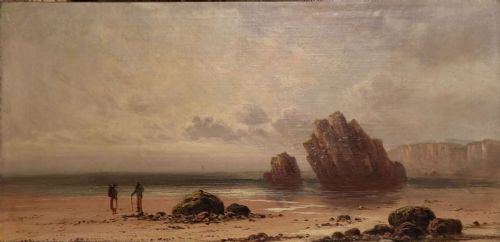
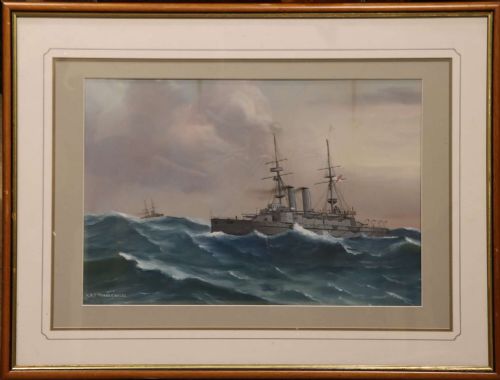
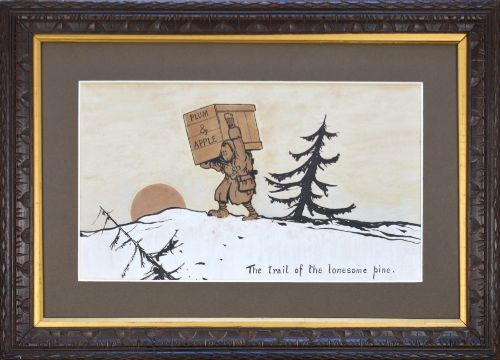
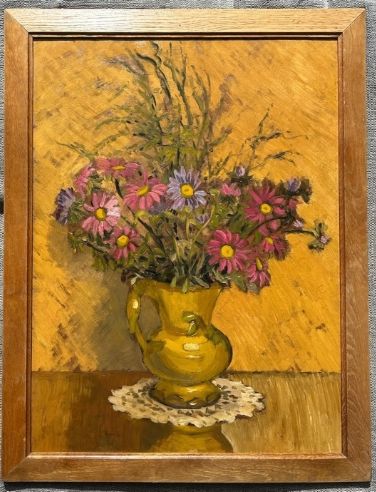
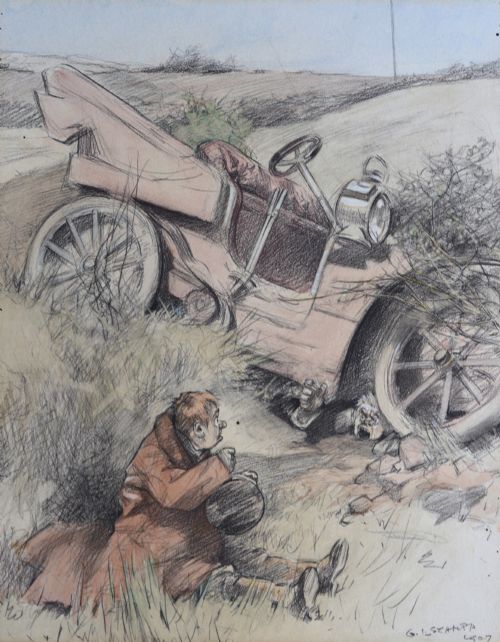
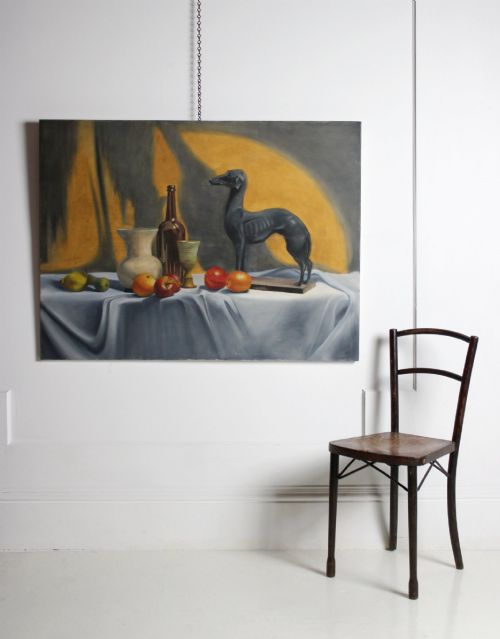
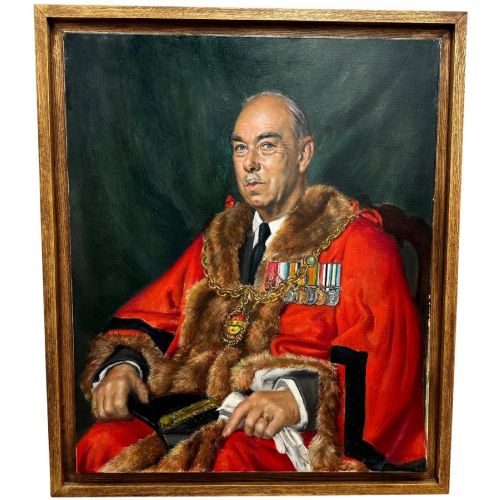
When hunting for an original vintage painting, you encounter works spanning from the late nineteenth century through the mid-twentieth century. The selection ranges from sweeping British landscapes and maritime scenes to intimate floral still lifes and characterful portraiture.
You are most likely to meet works executed in oil on canvas, oil on board, or delicate watercolour on paper created by regional British artists and continental painters. These pieces frequently capture coastal views, rural valleys, and domestic scenes typical of the Edwardian era and the mid-century period.
How They Were Made
Artists applied oil paint or watercolour pigments onto traditional supports such as stretched canvas, wooden panels, heavy card, and textured paper. Many oil paintings utilise thick impasto technique to build physical texture, whilst others rely on smooth, transparent glazes.
Works are commonly housed in their period frames, ranging from gilt gesso moulding to simple wooden mounts that complement the execution of the canvas or paper within.
Even royal carrier pigeons caught the eye of artists, as proven by a detailed 1935 watercolour celebrating a jubilee winner.
What Varies in Quality
Quality rests in the sureness of the brushwork, the handling of natural light, and the compositional balance achieved by the painter. A superior work demonstrates confident command of the medium, whether capturing the turbulent motion of coastal waves or the quiet stillness of a domestic interior.
The preservation of the original surface, stability of the pigments, and the harmony between the artwork and its period frame elevate the standing of any individual piece.
G. J. S. Bary·Irene Christobelle Pownoll Williams·Bruce Bairnsfather·Kenneth Cozens·George Lorain Stampa·Bernard Hailstone·R Leyton·William H Myers·George Graham·John Hayls·Tom Campbell·Alfred Young Nutt·Frederick Marriott·John Hassall·Eugène-Louis Gillot·Robert Heinrich·William Joseph Shayer Senior·Alfred Fontville de Breanski Jr·Sidney A Court·EJ Letheren·Karl S Wood·Albert E Jackson·Percy Hipkiss·C Lawrence·Albert Pile
The Original Vintage Painting Glossary
- Oil Paint
- Pigment mixed with a drying oil, typically linseed, which allows for rich blending, luminous colour depth, and varied surface textures. It remains a durable medium favoured by artists for centuries.
- Watercolour
- Pigments suspended in a water-based, transparent solution applied to paper or card. This technique relies on the white of the ground showing through to create luminosity.
- Impasto
- Paint applied thickly to a canvas or board, standing out in relief from the plane. This technique leaves visible brush or palette knife marks that catch the light.
- Tempera
- A permanent, fast-drying painting medium consisting of coloured pigment mixed with a water-soluble binder material. It yields a matte finish and was frequently applied to wooden panels.
- Gesso
- A paint mixture consisting of a neutral binder mixed with chalk, gypsum, or pigment. It is applied to panels or frames to prepare a smooth surface for painting or gilding.
Original Vintage Painting: Frequently Asked Questions
How do I care for an old oil painting?
Keep the canvas away from direct sunlight and sudden shifts in household temperature or humidity. Dust the surface very gently with a soft, dry brush without applying pressure.
Avoid using any liquid cleaners, moisture, or chemical sprays on the paint surface. Consult a professional restorer if the canvas requires deeper cleaning or stabilisation.
What is the difference between oil and watercolour?
Oil paint uses an oil binder that dries slowly, allowing artists to blend tones smoothly and build heavy, textured layers. Watercolour uses water-soluble binders on paper, creating translucent washes of light.
Watercolours require protective glass framing to prevent moisture damage, whereas oil paintings on canvas or board remain open to the air.
How can I tell the age of a painting?
Examine the materials of the support, such as the weave of the canvas, the composition of the wood panel, or the watermark and texture of the paper. Frame construction, backing boards, and handwritten inscriptions on the reverse offer further clues.
Stylistic markers, clothing styles in portraits, and signatures matched against artist records help narrow down the decade of creation.
Should I reframe a vintage artwork?
Original period frames often add historical context and aesthetic harmony to a painting. Retaining the frame preserves the integrity of the piece as a complete historical object.
If a frame is structurally failing or causing damage to the edges of the canvas, seek professional conservation advice before making alterations.