



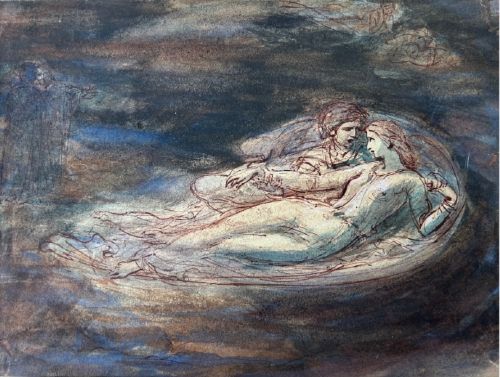
Original Victorian Watercolour Art
Original victorian watercolour art brings paper to life through pigment, capturing landscapes, portraits, and marine scenes across the nineteenth century.
Original Victorian Watercolour Art
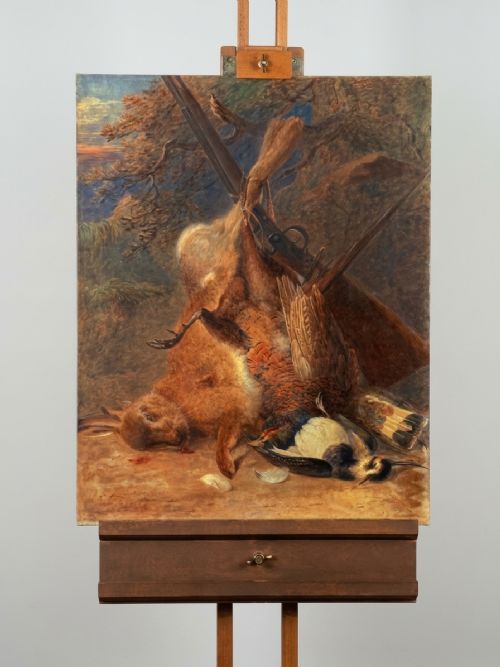
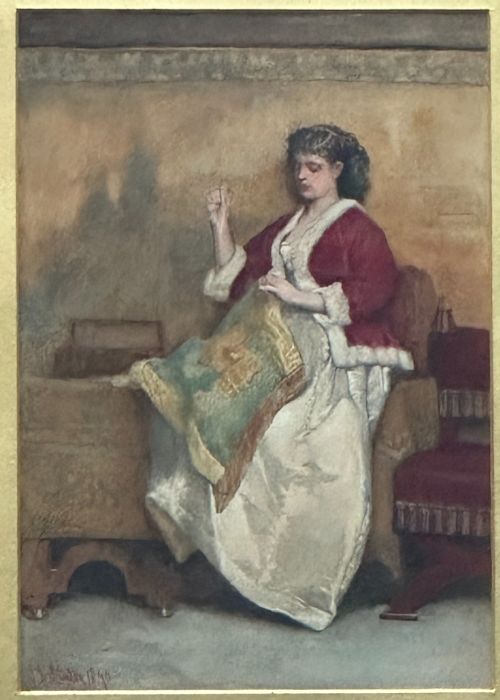
Original victorian watercolour art comprises works on paper produced during the nineteenth century and into the early twentieth century by named artists and regional painters. Buyers discover landscapes, botanical studies, marine views, and genre scenes rendered in fine detail.
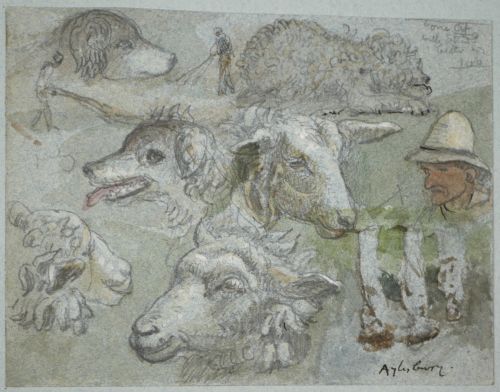
The pieces on this page span styles from Pre-Raphaelite sketches to British Impressionism and Victorian fine art. Common formats include framed watercolours, ink and wash drawings, and exhibition-size works set behind glass.
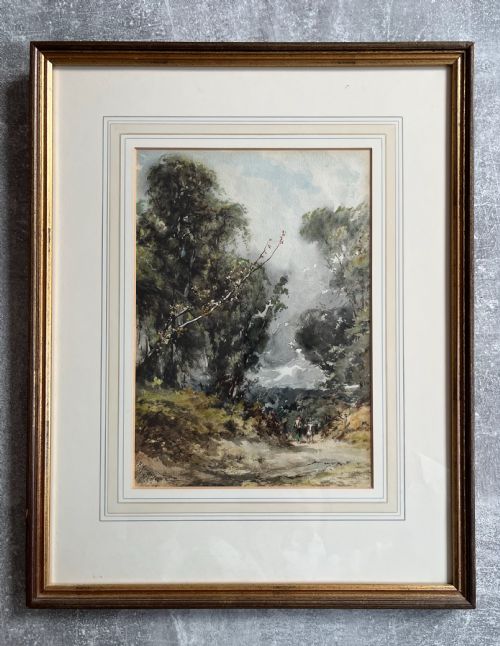
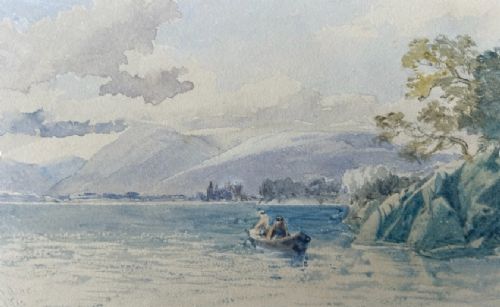
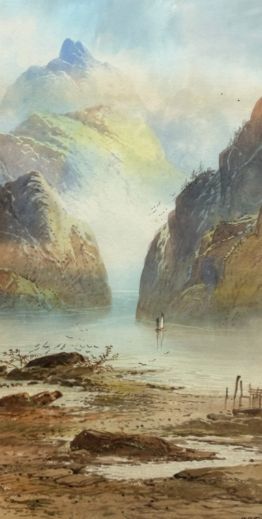
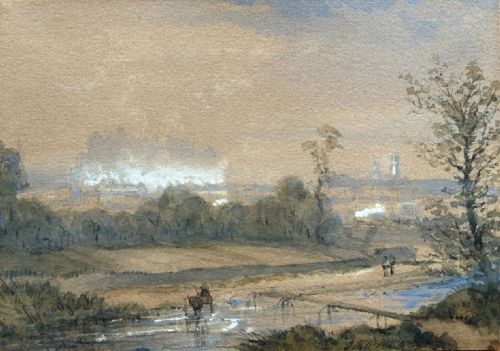
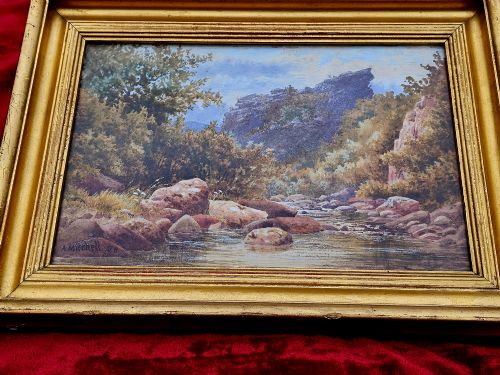
Subjects range from Scottish highlands and Welsh passes to coastal harbours in Cornwall and botanical studies of roses and plums. Each piece reflects the nineteenth-century interest in naturalism, topographical accuracy, and direct observation of the British countryside.
How They Were Made
Artists applied watercolour pigment and bodycolour onto paper surfaces, sometimes using ink and wash to establish preliminary lines before adding translucent washes of colour. Watercolour paint allowed painters to capture changing light conditions swiftly on location or build up careful studio compositions.
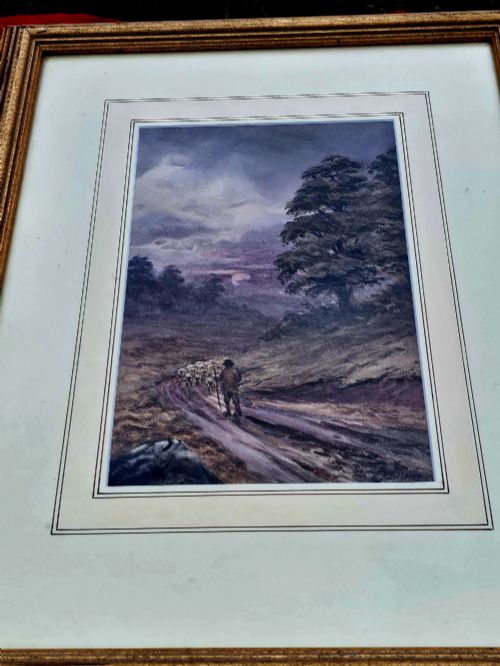
Finished works received protection beneath glass and were mounted within period frames made from wood or gilt wood, occasionally utilising rosewood surrounds. The combination of pigment on paper with traditional framing preserved the delicate tones over generations.
The works recorded here encompass landscapes, marine art, botanical studies, and still life compositions created across Britain and Europe.
What Varies In Quality
Skill in handling pigment and light distinguishes accomplished works from simpler sketches, with master painters achieving notable depth in skies, water, and foliage. The precision of brushwork and the stability of the paper support further differentiate the pieces.
The survival of original framing, such as period gilt wood or rosewood surrounds under glass, influences the integrity of the piece. Strong provenance, legible signatures, and dated inscriptions add historical context that elevates certain works above anonymous studies.
George Sydney Shepherd·George Fotherly Hargitt·Thomas Miles Richardson Jnr·James Orrock·William Henry Earp·Sir James Dromgole Linton·John R Prentice·Alfred Young Nutt·Henry Stacy Marks·James Smetham·A Mitchell·John McDougal·EJ Letheren·William Banks Fortescue·Robert A Nottingham·Henry Silkstone Hopwood·R Hurst·Robert Thorne Waite·Th Thibault·Hector Caffieri·Ernest Arthur Rowe·Frederick James Kerr·Alfred G Morgan·Catherine Thomas·Frederick Tatham
The Original Victorian Watercolour Art Glossary
- Bodycolour
- Watercolour paint mixed with a white pigment to render it opaque rather than translucent. This technique allowed artists to add sharp highlights and solid areas of light to their paper works.
- Gilt wood
- Wood carved and coated with a thin layer of gold leaf or metallic gilt. It provided a reflective, decorative border for framing nineteenth-century paintings.
- Pre-Raphaelite
- A style associated with nineteenth-century artists who favoured detailed observation of nature and bright, luminous colour harmonies. Painters influenced by this circle created meticulous botanical and narrative works.
- Provenance
- The documented history of ownership surrounding a work of art. Clear provenance helps verify the artist and age of antique watercolours.
- Works on paper
- A collective term for art executed upon a paper support, including watercolours, ink drawings, and sketches. These pieces required careful preservation behind glass to prevent environmental damage.
Original Victorian Watercolour Art: Frequently Asked Questions
How do I care for original victorian watercolour art?
Keep watercolours away from direct sunlight to prevent the pigments from fading over time. Display them in rooms with stable humidity and temperature behind protective glass.
Avoid hanging paper art on exterior walls where dampness might affect the support. Professional framing using acid-free materials helps preserve the paper for future years.
What subjects appear in these watercolours?
Artists focused heavily on the British landscape, recording Scottish lochs, Welsh mountains, and coastal scenes in Cornwall and Brighton. Botanical studies of roses, plums, and fuchsias also proved popular.
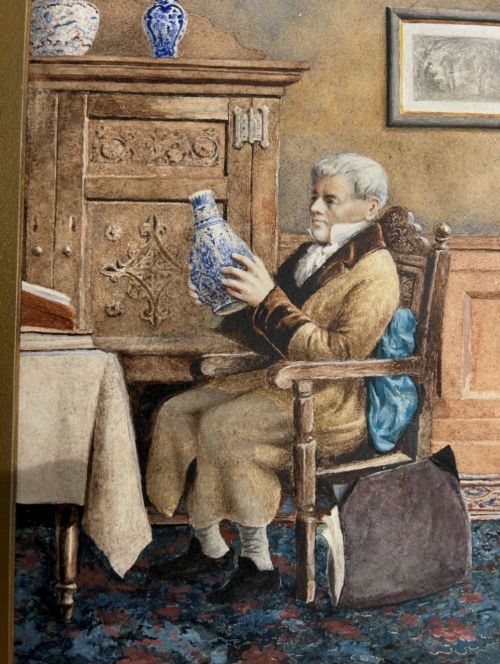
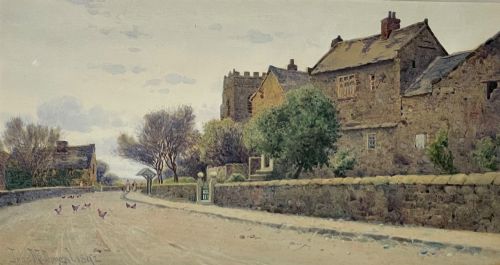
Other works captured genre scenes, domestic interiors, portraits, and architectural views of towns and chapels. Each subject reflects nineteenth-century artistic interests in topography and naturalism.
How can I tell the period of a watercolour?
Examine any signatures, dates, or inscriptions written on the front or verso of the paper. Paper types, framing styles, and artist biographies provide reliable clues for dating.
Stylistic markers such as Pre-Raphaelite detail or Victorian narrative themes help place the work within the nineteenth century. Comparative study of known exhibition pieces narrows down the decade of creation.
Were these paintings always framed?
Most finished watercolours were framed shortly after completion to protect the fragile paper surface from dust and moisture. Original frames often consisted of wood, gilt wood, or rosewood.
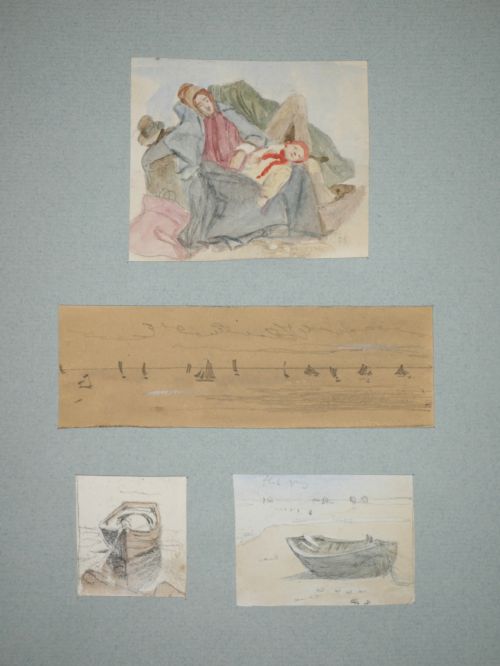
Some works began as loose sketches or journal entries before collectors later mounted and framed them. Surviving period frames contribute significantly to the historical presentation of the artwork.