
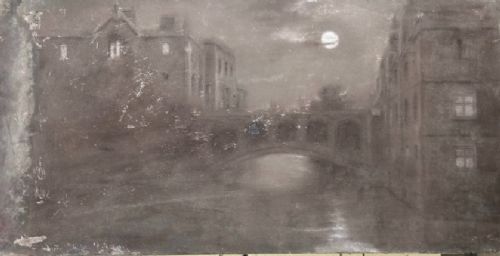


Original Turn of Century Art
Original turn of century art brings together paintings, drawings and furniture from the pivotal shift between the Victorian era and the Edwardian period.
Original Turn of Century Art
Original turn of century art spans works created around nineteen hundred, capturing the transition from nineteenth century academic traditions to early twentieth century modern movements. Buyers looking for original turn of century art encounter a diverse selection of paintings, watercolours, drawings and period furniture from British, French, Belgian and Swedish makers.
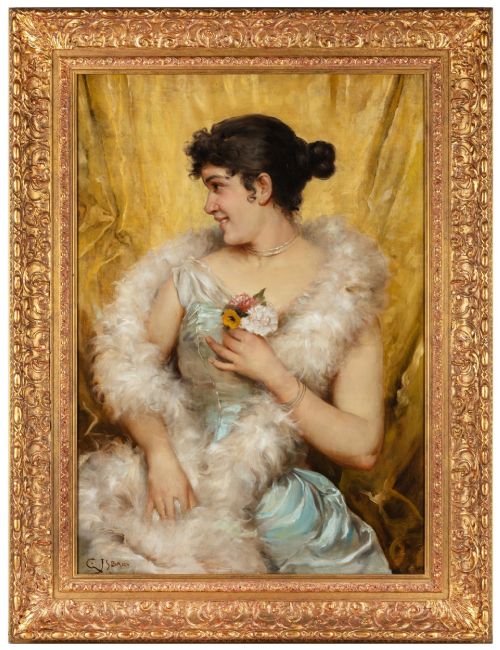
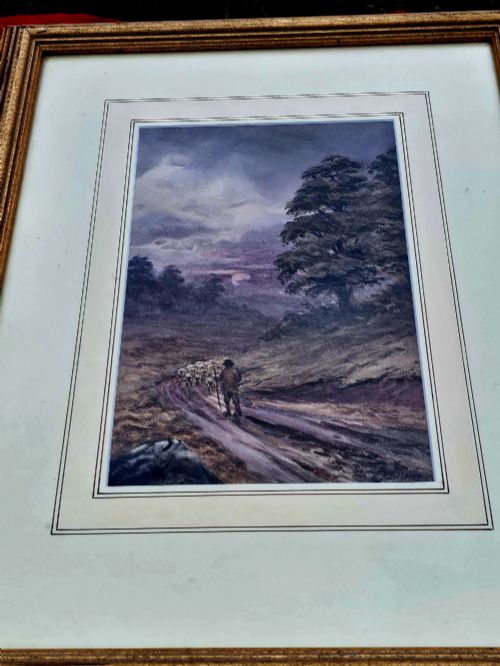
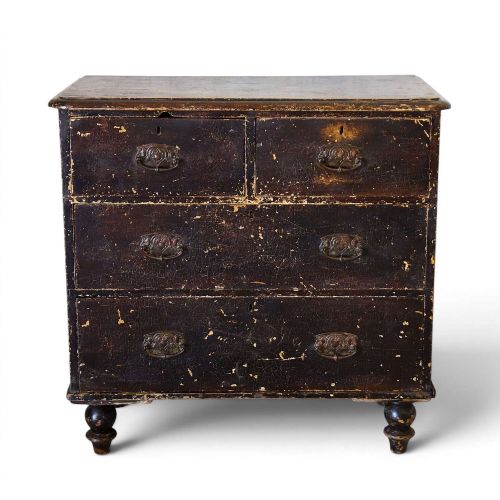
The paintings on offer include oil on canvas, oil on board and watercolour pigment depicting landscapes, maritime scenes, townscapes and portraits. Alongside fine art sit functional items such as pine chests of drawers, rocking chairs, occasional tables and rush-seated chairs retaining original paint.
Works on this page draw from distinct regional styles including British Impressionism, Edwardian Tonalism, the French Barbizon school and Art Nouveau design. These pieces reflect the aesthetic preoccupations of the Belle Epoque and the broader Arts and Crafts movement.
Materials and construction methods
Works on paper utilise watercolour pigment, charcoal and ink applied to support sheets, while paintings employ oil on canvas or oil on board. Wooden furniture pieces incorporate pine, oak and ebonised timber, often finished with original scumble paint, rush seating or leather upholstery.
Frames and structural elements make use of traditional joinery alongside glass protection for works on paper and brass fittings for decorative furniture items. Surfaces display hand-applied pigments and patinated finishes that record the age and handling of each object.
Listings feature paper, oil on canvas, glass, brass, paint, watercolour pigment, gilt wood and wood across Victorian and Edwardian periods.
Factors determining quality
Quality in these works rests upon the handled skill of the draughtsman or painter, evident in brushwork control, compositional balance and atmospheric depth. Signed pieces by documented artists carry stronger attribution value than anonymous works from the same period.
For furniture and decorative objects, the preservation of original paint finishes, scumble layers and rush seats dictates the desirability of the piece. Items that retain their structural integrity alongside untouched surface decoration sit at the upper end of the range.
G. J. S. Bary·EJ Letheren·Alfred George Morgan·Edward Matthew Elliott·Charles James Lauder·Edward Henry Eugene Fletcher·Morris and Co·Jules Evarist van Biesbroeck·Frederick William Booty·Fernand Toussaint·Albert de Belleroche·Edwin Bagshaw·Gaston Bouy·George Henry Walton·Carlo Bugatti·Eduard Veith
The Original Turn of Century Art Glossary
- Scumble paint
- A translucent layer of oil or distemper paint dragged over an opaque base colour to create broken colour effects. This technique appears on period pine furniture.
- Tonalism
- An artistic style where painters focus on shadow, atmosphere and a restricted colour palette rather than sharp delineation. It is seen in British landscapes from nineteen hundred.
- Rush seat
- A seating surface woven from dried marsh rushes, commonly found on nineteenth century chairs. These seats require careful preservation to maintain their original tension.
- Barbizon style
- A French school of landscape painting characterised by naturalistic observation, earthy tones and pastoral subjects. Works in this mode emphasise mood and weather.
Original Turn of Century Art: Frequently Asked Questions
What periods define original turn of century art?
The pieces span the late nineteenth century, the Victorian era, the Edwardian period and the early nineteen hundreds. Most items cluster tightly around the year nineteen hundred.
Styles range from traditional British landscape painting to Art Nouveau furniture and the French Barbizon movement.
How should I care for oil paintings from nineteen hundred?
Keep paintings away from direct sunlight, high humidity and dramatic temperature fluctuations to protect the canvas and oil pigments. Dust surfaces gently with a soft, dry brush without applying pressure.
Avoid using water or chemical cleaning agents on the painted surface or original frames.
Are these watercolours framed in original glass?
Many works on paper retain their period framing, which may include old glass and timber moulding. These components contribute to the historical character of the artwork.
Handle framed watercolours with care to protect the delicate paper support and pigment layers from moisture.
What is scumble paint on period furniture?
Scumble paint is a decorative surface treatment applied to pine furniture around nineteen hundred to simulate finer wood grains or create mottled textures. It involves dragging a darker translucent glaze over a lighter base coat.
Original scumble paint survives as an untouched layer that records the decorative preferences of early twentieth century workshops.