


Original Paint Drawers
Original paint drawers bring surface history directly into a room, offering untouched colour from Victorian, Georgian, and Regency workshops.
Original Paint Drawers
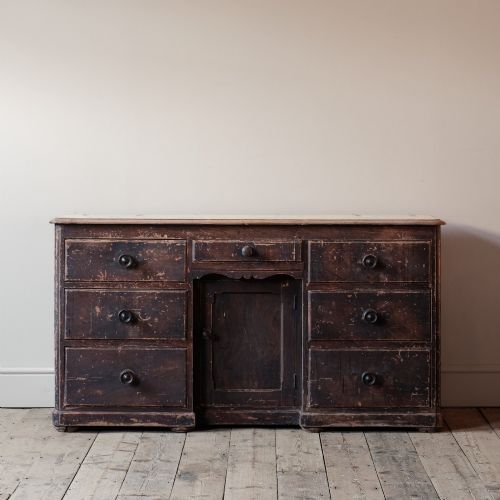
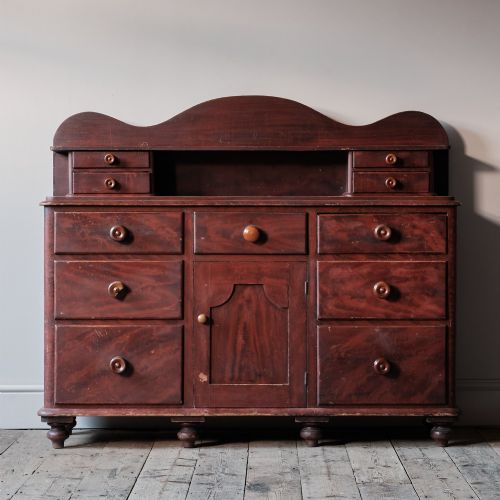
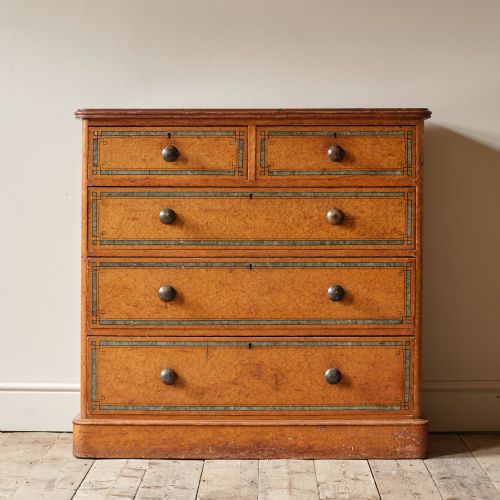
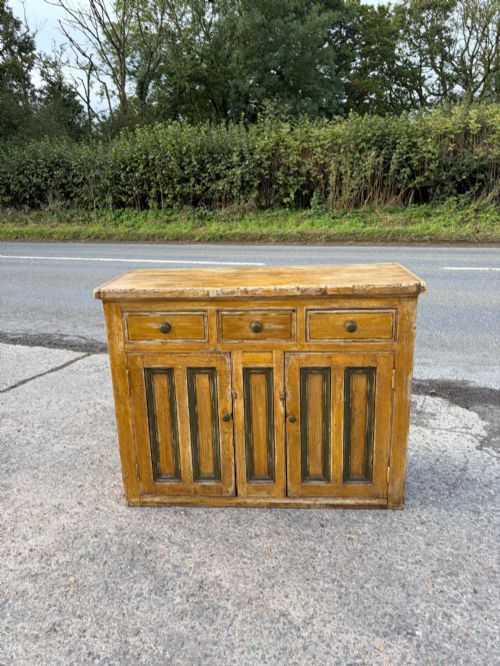
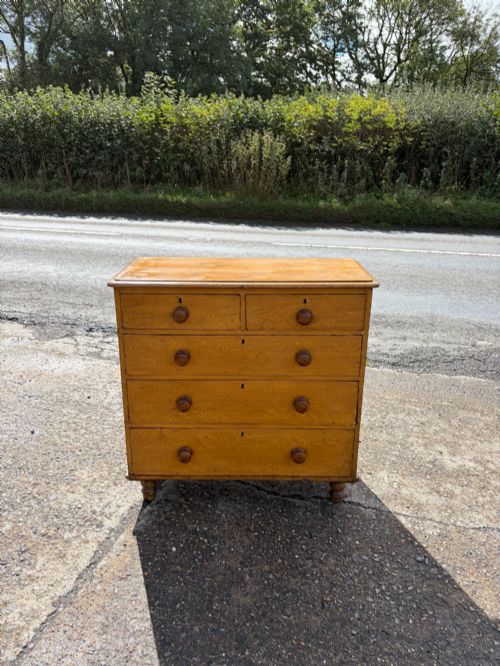
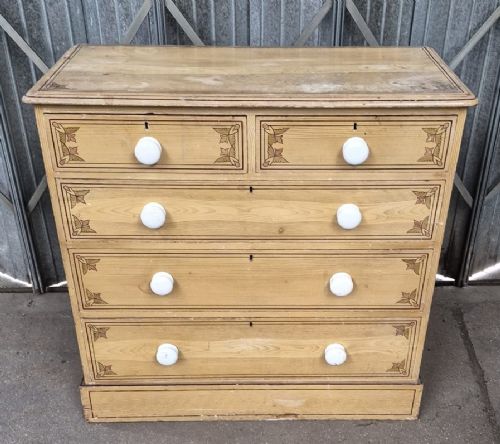
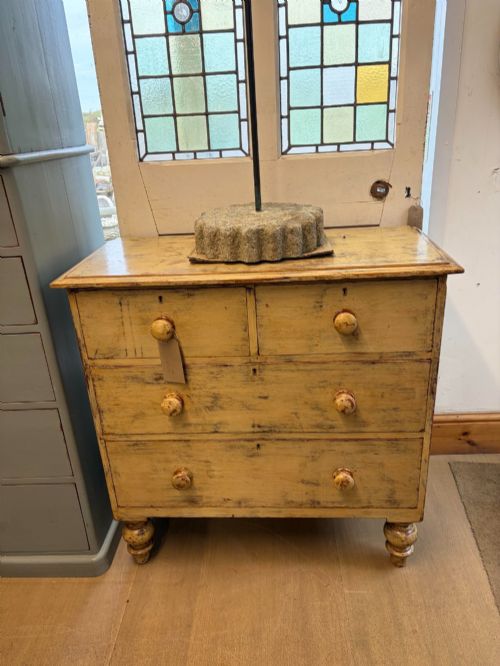
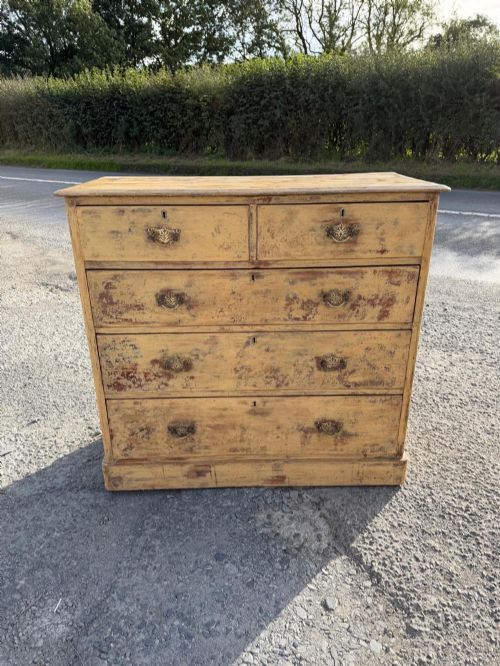
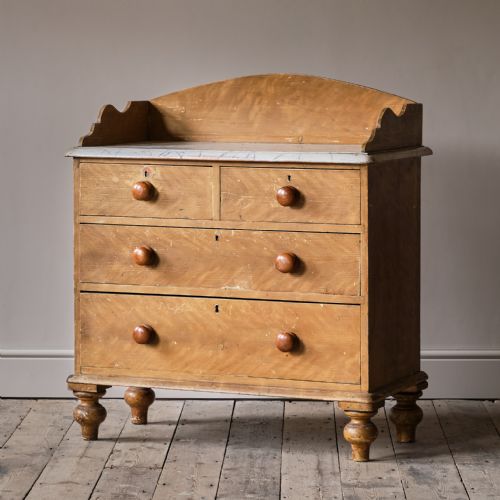
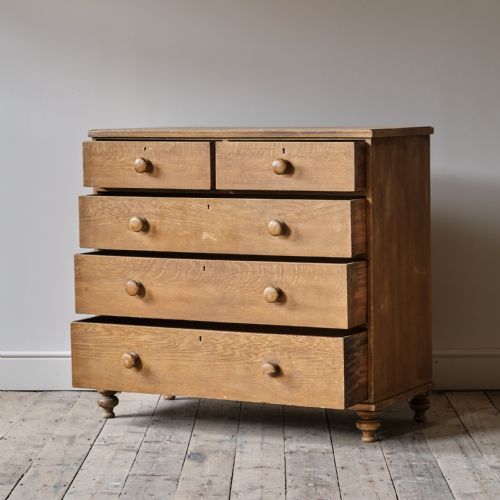
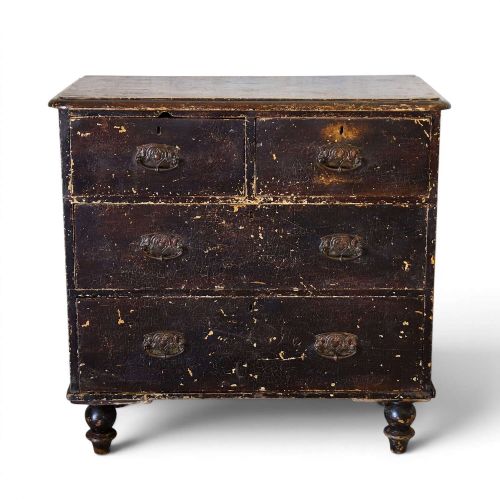
Original paint drawers encompass chest of drawers forms alongside sideboards, dressers, and commodes originating from Victorian and Georgian periods. These pieces display surface finishes applied during their initial manufacture or early use rather than later modern decoration.
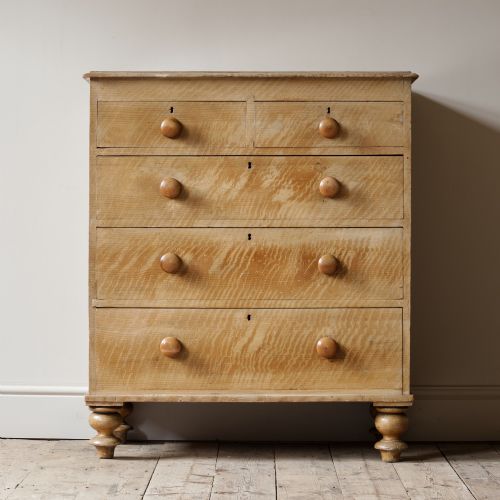
Pine forms the dominant structural wood across the pieces found here, often built in regional British styles or European workshops. Chests with two over three drawer arrangements and larger shop fittings appear frequently alongside smaller commodes and tables.
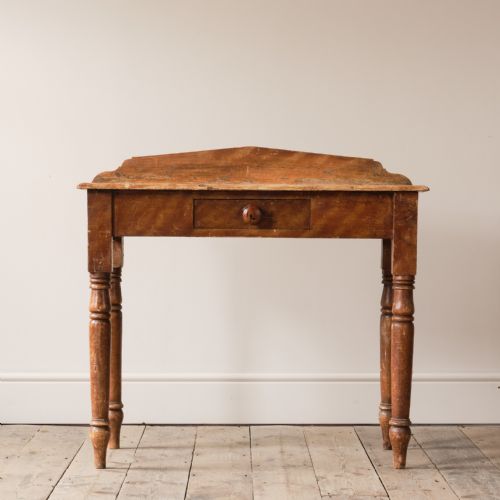
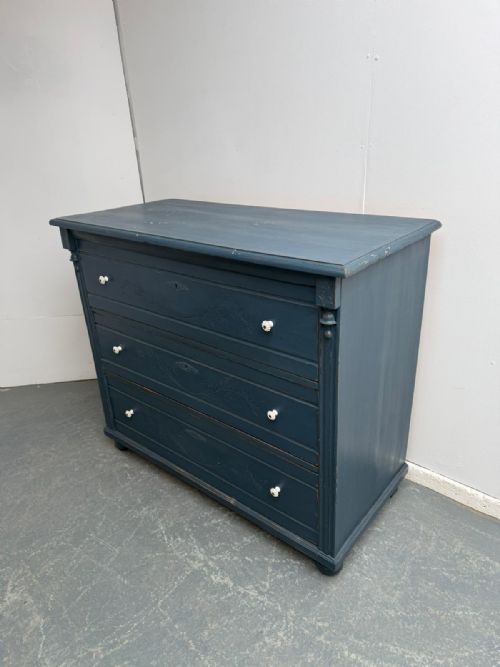
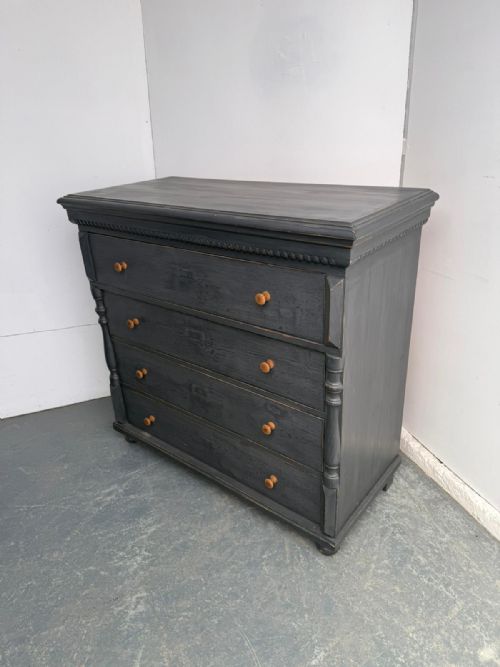
Buyers encounter surfaces finished in scumble paint, graining, or solid coats of green, blue, grey, and black. Each piece retains the marks of decades of domestic or commercial use beneath its original coating.
How they were made
Makers constructed these carcasses primarily from solid pine, utilising dovetail joints for drawer construction and brass or iron hardware for handles and escutcheons. Regional carpenters shaped secondary timbers for drawer linings and backboards.
Surfaces received decorative treatments including scumble glaze dragged across a lighter ground to imitate finer timbers, or flat oil-based paints in specific regional hues. Potters and metalworkers supplied ceramic knobs and brass drop handles that completed each piece.
Original Paint Drawers Retail Price Guide 2026
Typical asking prices for original paint drawers among the pieces listed under this phrase on Sellingantiques today, from the lower quarter to the upper quarter. They describe what is for sale here now, not the wider market.
Current selections span 18th-century Georgian pieces through to 1900 Art Nouveau items, built from pine and finished in painted or scumbled surfaces.
What varies in quality
Quality rests in the survival and integrity of the surface coating, where undisturbed layers of early paint distinguish superior examples. Pieces maintaining their original decorative scumble or graining without extensive overpainting command greater interest.
Construction methods determine durability, seen in the tightness of hand-cut dovetails and the smooth action of individual drawers within their frames. Proportion and regional character also separate standard utility furniture from more finely detailed workshop production.
The Original Paint Drawers Glossary
- Scumble paint
- A translucent dark glaze dragged or combed over a lighter base colour to simulate the grain of expensive timbers like oak or walnut. This decorative technique became widespread during the Victorian era.
- Graining
- The deliberate manipulation of wet paint using combs, feathers, or rags to mimic natural wood patterns. Craftsmen utilised this method to elevate humble pine furniture.
- Commode
- A low cabinet or chest featuring drawers and cupboards, originating from continental Europe. Italian and Austrian examples frequently exhibit sophisticated painted decorations.
- Dovetail
- A traditional interlocking joint utilised in drawer construction where trapezoidal pins fit securely into matching tails. Hand-cut versions indicate earlier craftsmanship.
- Dresser base
- The lower section of a kitchen dresser featuring cupboards and drawers without the upper plate rack. These sturdy pieces served utilitarian roles in country houses.
Original Paint Drawers: Frequently Asked Questions
How do I clean original paint surfaces?
Dust gently with a dry microfibre cloth to remove loose particles without disturbing the underlying finish. Avoid modern chemical sprays and abrasive polishes that strip fragile historic pigment.
Test any minimal moisture on a hidden area first, as old water-based binders can lift easily from the wood substrate.
What is scumble paint?
Scumble paint involves applying a tinted translucent glaze over a pale base coat and dragging tools through it to create faux wood patterns. Victorian decorators applied this finish widely on pine furniture.
Over decades, this technique developed a distinct aged patina that collectors prize for its depth of texture.
Are these drawers suitable for daily use?
Solid pine construction and sturdy internal framing allow these chests to function reliably for modern storage needs. Drawers slide within traditional runners that benefit from occasional waxing.
Placing items away from direct heat sources prevents the historic wood and paint layers from drying out or cracking.
How can I tell the period?
Georgian examples often display finer proportions and hand-wrought iron or brass hardware reflecting 18th-century cabinetmaking standards. Victorian pieces frequently feature bolder scumble finishes, ceramic handles, and standardised drawer configurations.
Construction details like square nails and the style of dovetailing provide additional clues to the decade of manufacture.