
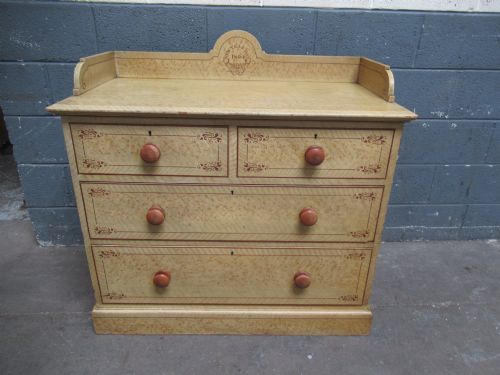
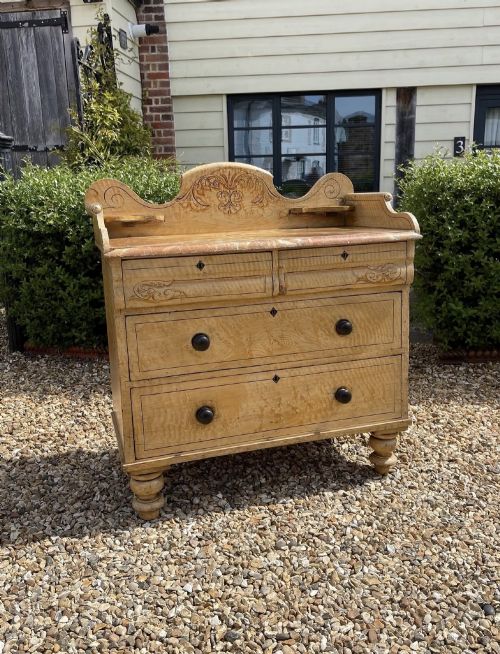
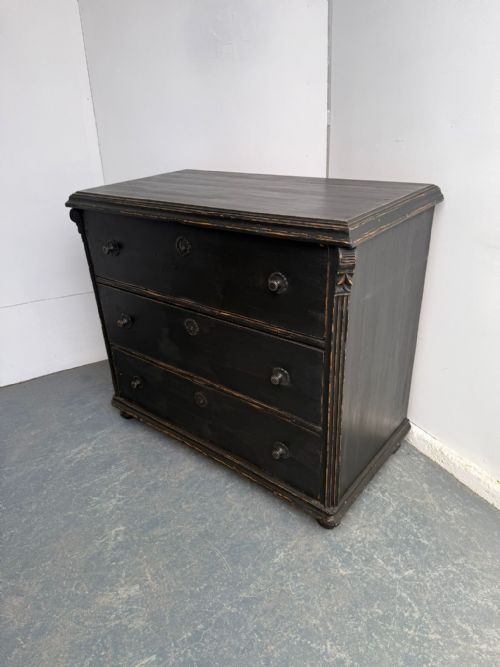
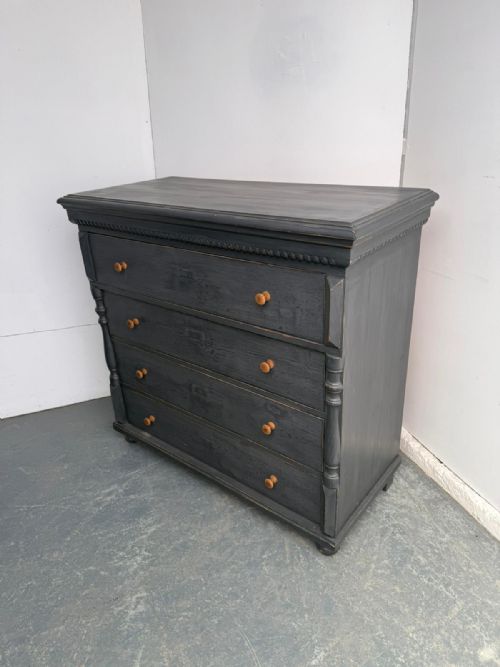


Original Paint Commode
An original paint commode carries the honest, weathered surface history leaves behind, offering storage with genuine decorative character.
Original Paint Commode
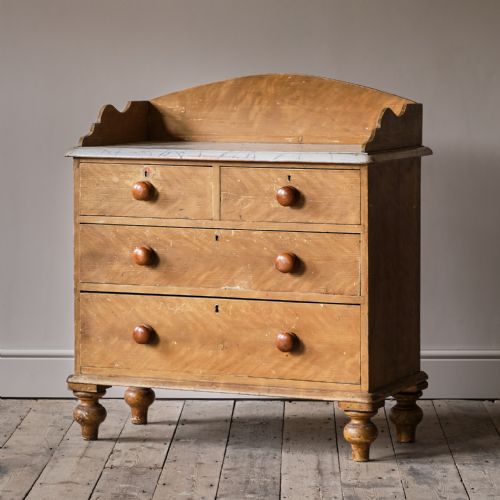
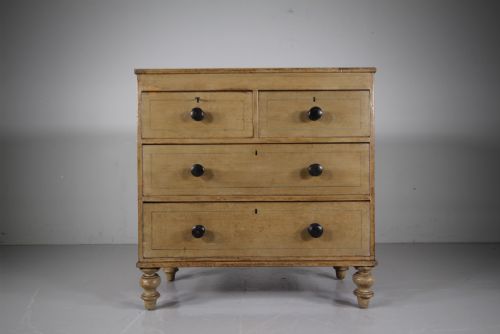
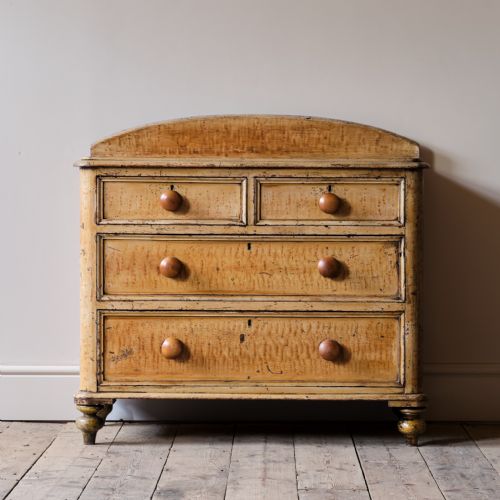
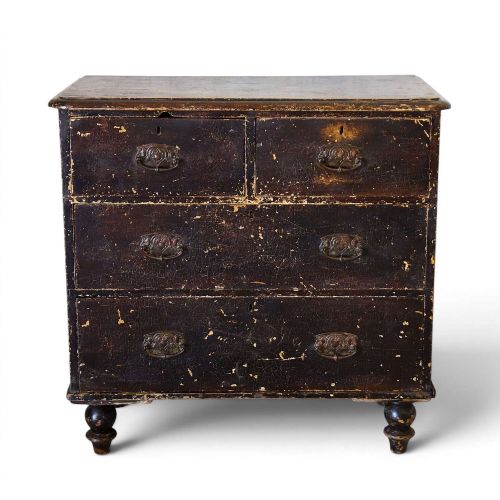
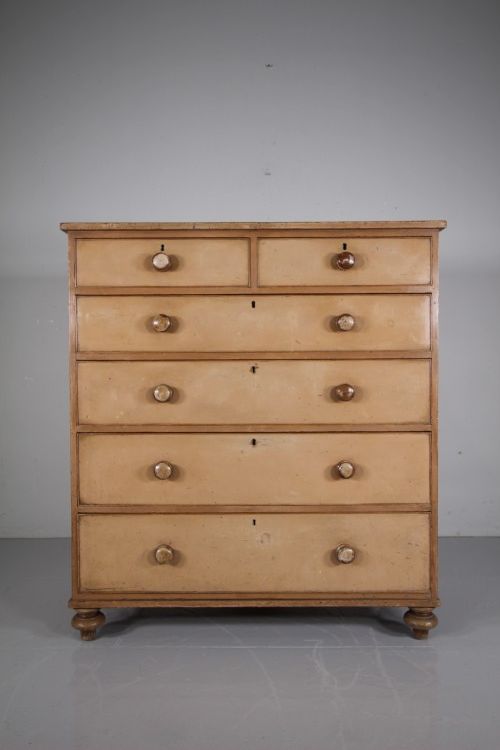
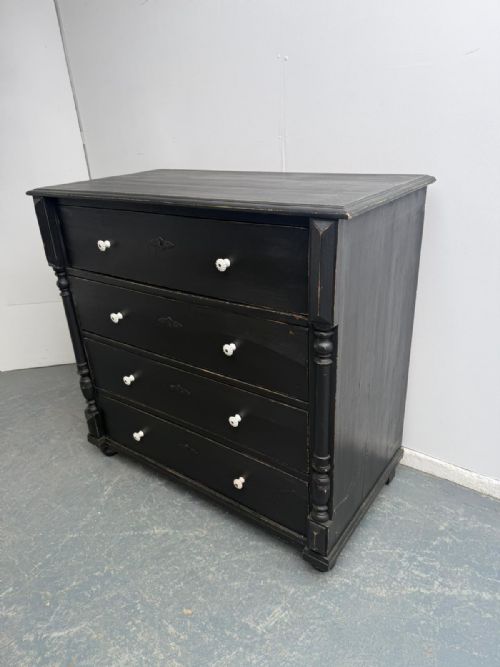
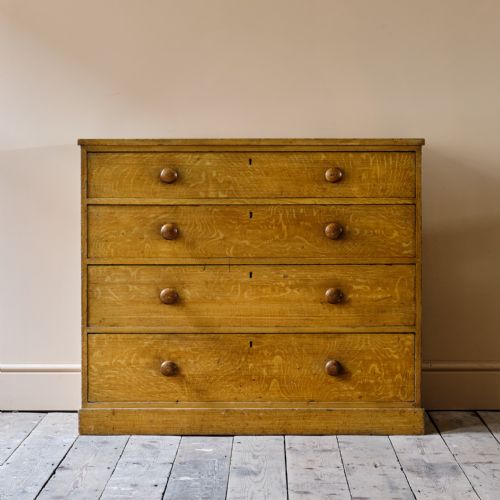
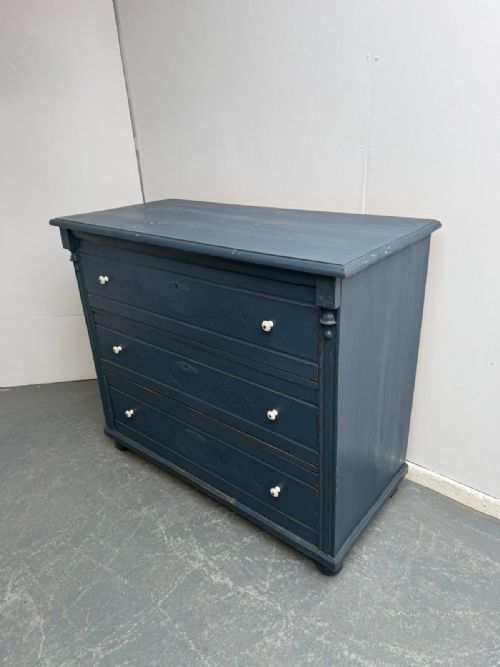
An original paint commode is a case piece, taking the form of a chest of drawers or a cupboard, preserved with its early surface rather than stripped back to bare timber. When buyers search for an original paint commode, they find pieces ranging from English country pine to continental European examples from the eighteenth and nineteenth centuries.
The selection includes regional chests from Britain, Hungary, Sweden and Austria, alongside formal Italian and French commodes. These items provide practical drawer or cupboard storage while serving as strong visual anchors in a room through their surviving decorative finishes.
How they were made
Carpenters typically constructed these pieces in solid pine or other timbers, utilising traditional joinery such as dovetail drawers and panelled doors. Iron and brass hardware, including drop handles and keyplates, secure the functional elements of the cabinetry.
Surface decoration involved applying layers of paint, often scumbled, scraped or finished in tones such as grey, black, blue or natural wood hues. This protective and decorative coating was applied by hand during manufacture or in subsequent regional workshops.
Listings feature eighteenth and nineteenth century periods, utilising pine and wood materials shaped into chests of drawers and cupboards.
What varies in quality
The primary distinction lies in the integrity of the surface, separating untouched historic pigment from later overpainting or heavy intervention. Original surfaces retain their genuine patina, showing the soft wear of decades.
Construction quality depends on the robustness of the carcase and the retention of original brass or iron fittings. Pieces that maintain their structural stability alongside untouched decorative schemes command greater appreciation from collectors.
The Original Paint Commode Glossary
- Commode
- A low chest of drawers or cabinet, originating in France during the seventeenth century. The term applies broadly to decorative drawer units across various European traditions.
- Scumble
- A translucent layer of darker paint manipulated over a lighter base colour to simulate wood grain or create mottled texture. Artisans used this technique widely on nineteenth-century pine furniture.
- Patina
- The surface sheen and softening of colour developed through age, light and handling. It serves as a key indicator of authenticity on painted furniture.
- Carcase
- The main structural body or frame of a cabinet or chest of drawers, excluding doors and drawers. Its construction reveals the underlying skill of the maker.
Original Paint Commode: Frequently Asked Questions
How do I clean an original painted surface?
Dust gently with a dry, soft cloth to remove everyday particles.
Avoid liquid cleaners, waxes containing solvents, or abrasive cloths that might lift the historic pigment.
Are these pieces suitable for daily bedroom use?
Most chests and commodes offer deep, functional drawers that handle modern clothing storage with ease.
Ensure drawers run smoothly and the interior remains clean before loading them with garments.
What does scumbled paint mean?
Scumbling involves dragging or stippling a translucent glaze over an opaque base coat to create movement and depth.
This technique often mimics more expensive timbers or adds rich texture to simple pine furniture.
How can I tell if the paint is original?
Look for micro-craking, natural wear around handles, and consistent ageing across the entire carcase.
Under magnification, genuine early paint shows integration with the timber rather than a flat, modern emulsion finish.