


Original Ink Wash Painting
Original ink wash painting offers fluid monochrome mastery on paper, capturing light and mood through subtle dilution.
Original Ink Wash Painting
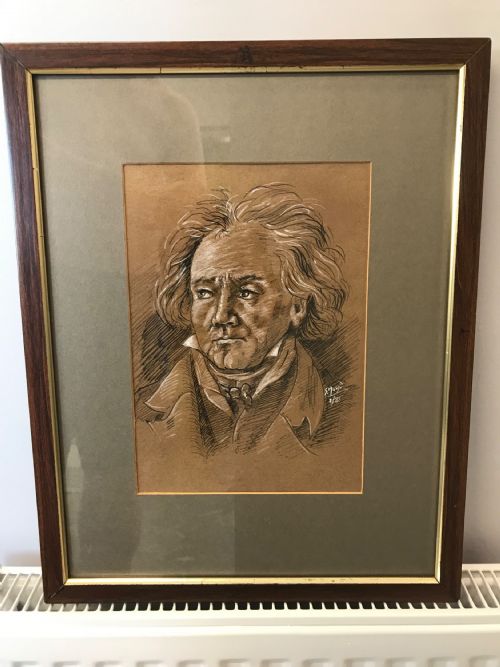
An original ink wash painting brings together delicate brushwork and fluid application on paper, capturing scenes from architectural townscapes to intimate portraits. When you examine original ink wash painting selections, you encounter works spanning the eighteenth century through the mid twentieth century. These pieces encompass diverse regional traditions, including British landscapes, Irish compositions, and French views, framed in wood under glass.
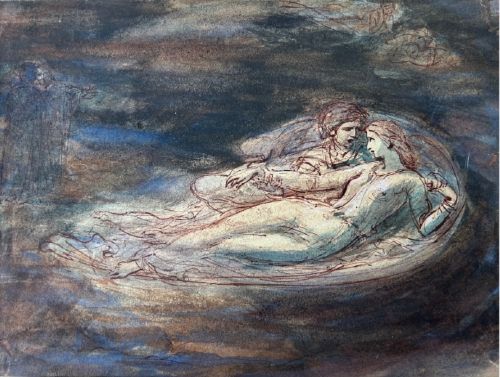
The assortment on this page ranges from early Georgian topographical sketches to mid twentieth century studies by named artists such as Fred Lawson. You find pastoral landscapes, literary narratives like Dante scenes, and coastal townscapes executed with ink, watercolour, and gouache. Each work relies on paper supports, preserving the spontaneous marks of the hand that created them.
Materials and technique
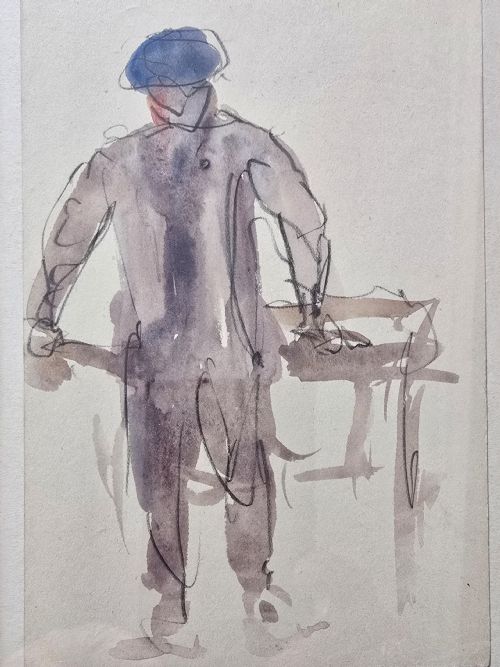
Makers of these works utilised diluted black or coloured ink applied to paper surfaces with fine brushes, often combining the medium with watercolour or gouache highlights. The technique relies on varying the water content to create subtle tonal gradations, producing shadows and depth without heavy pigments.
Finished works frequently feature protective wood frames and glass glazing to safeguard the delicate paper from atmospheric damage. Line drawings in ink provide the structural framework, while washes of diluted pigment establish the atmospheric light across landscapes and portraits.
Artists occasionally initialled their sepia landscapes in pairs, leaving future collectors to ponder weather conditions in seventeen thirty.
What separates the finest works
Quality in an original ink wash painting depends on the confidence of the brushwork and the precision of the underlying line drawing. Superior examples demonstrate a secure command of tone, where diluted washes create convincing space and atmosphere with minimal hesitation.
The preservation of the paper support and the clarity of the ink lines further distinguish exceptional pieces from routine examples. Works attributed to known hands or bearing clear signatures also carry distinct qualities of composition and historical context.
Michael Healy·Stanley Orchart·Edward Dayes·YA MING·Fred Lawson·Thomas Rowlandson
The Original Ink Wash Painting Glossary
- Wash
- A technique where ink or watercolour is diluted with water to create a semi transparent layer of colour or tone. This method establishes shadow and depth across the paper.
- Gouache
- An opaque water based paint used alongside ink to add highlights and solid colour to a composition. It provides denser coverage than standard watercolour.
- Pre Raphaelite
- An artistic style and movement associated with detailed observation and intense colour, appearing in nineteenth century narrative works. It emphasises intricate draughtsmanship.
- Topographical
- A genre of art focused on the accurate depiction of specific places, buildings, or landscapes. These works often serve as historical records of towns and countryside.
- Support
- The physical material upon which the artwork is created, which for these pieces is invariably paper. The condition of this surface is central to the piece.
Original Ink Wash Painting: Frequently Asked Questions
How should I frame an ink wash painting?
Protect works on paper by using conservation grade mounts and framing them behind glass to filter harmful ultraviolet light.
Keep the paper from touching the glass directly by using a mat board spacer to prevent moisture damage over time.
How do I identify the period of a work?
Examine the paper type, framing materials, and stylistic markers such as Georgian costume or twentieth century townscape subjects.
Signatures, inscriptions, and artist attributions recorded on the reverse or front also help establish the date of creation.
What is the difference between ink and watercolour?
Ink relies on pigments or dyes that create fluid line work and monochrome tonal washes, while watercolour offers transparent chromatic hues.
Many pieces on this page combine both mediums, using ink for structure and watercolour or gouache for supplementary colour.
How do I care for works on paper?
Display your artwork away from direct sunlight to prevent the ink and paper from fading or discolouring permanently.
Maintain stable humidity levels in the room to protect the paper support and wooden frame from warping or foxing.