


Original Georgian Portrait Painting
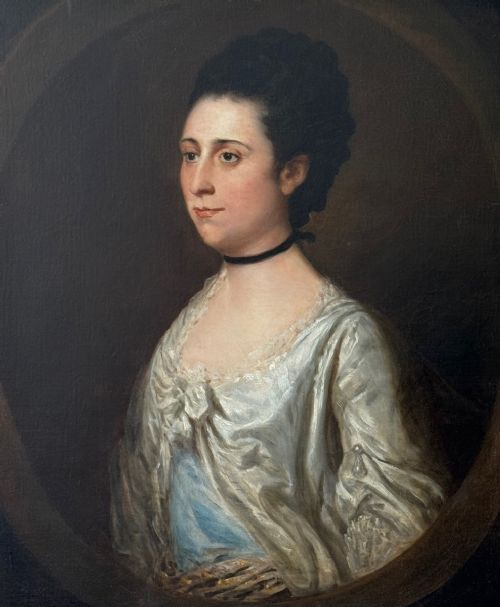
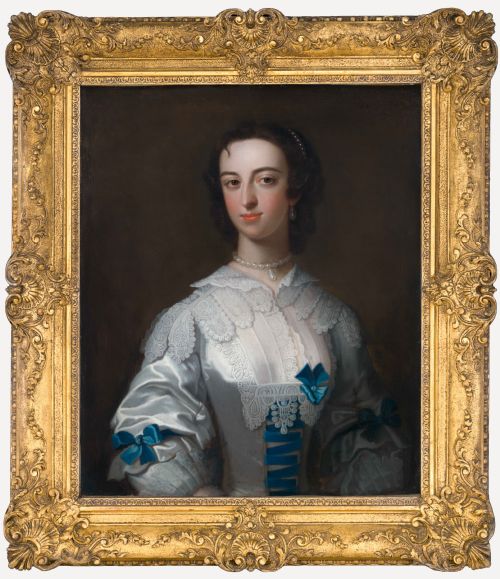
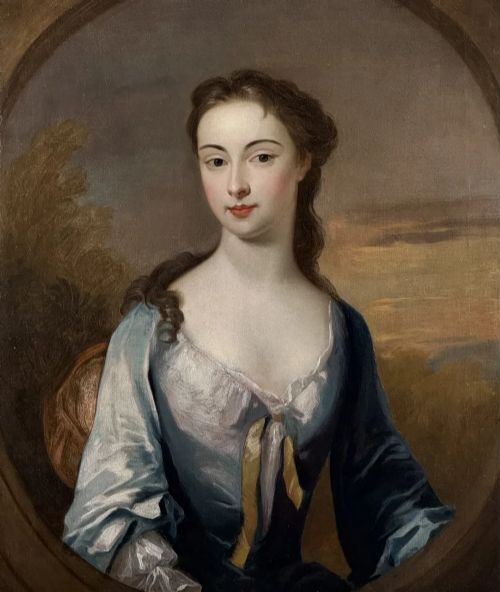
An original georgian portrait painting captures the likenesses of merchants, physicians, and gentlefolk from the eighteenth and early nineteenth centuries.
Original Georgian Portrait Painting
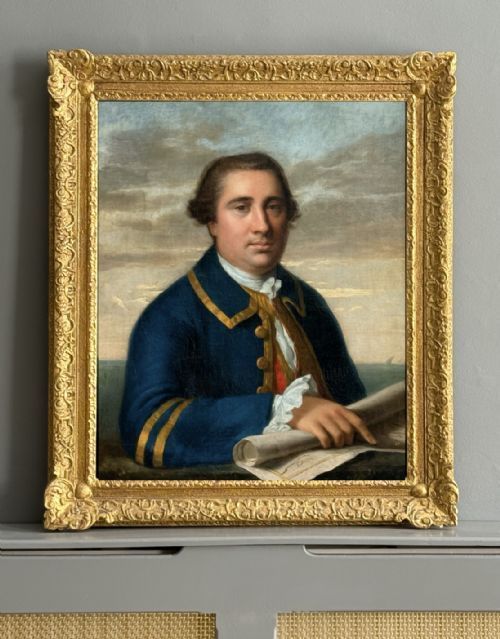
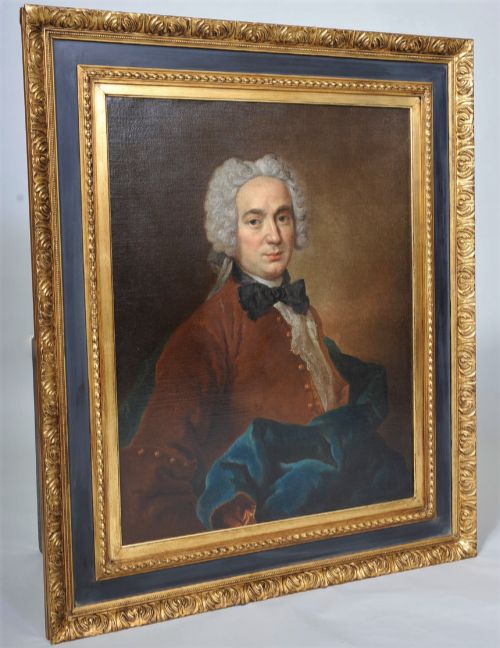
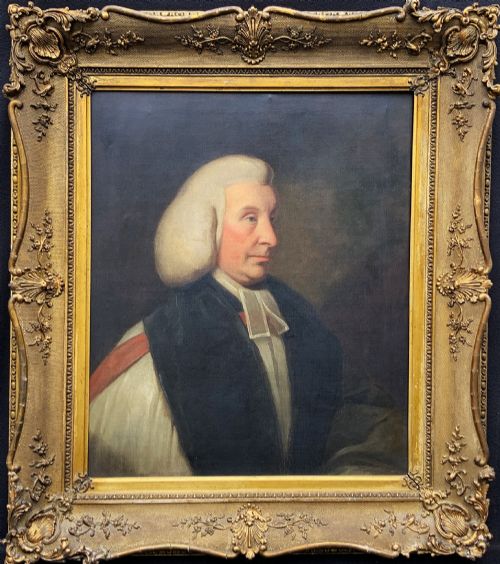
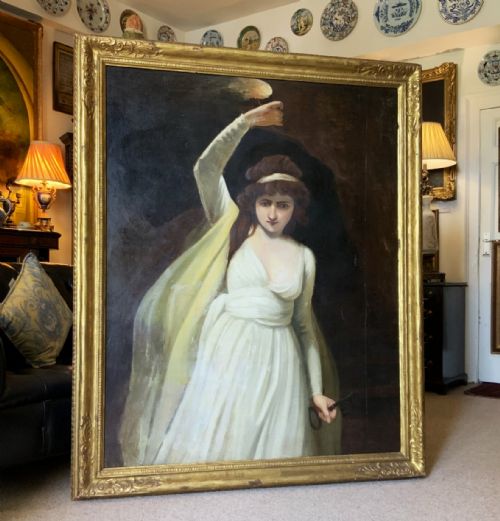
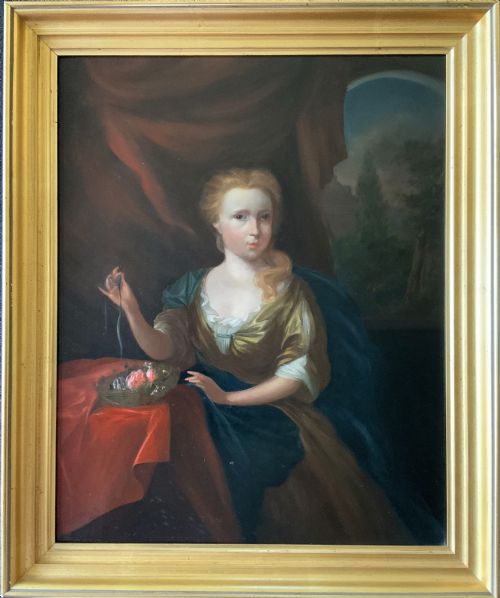
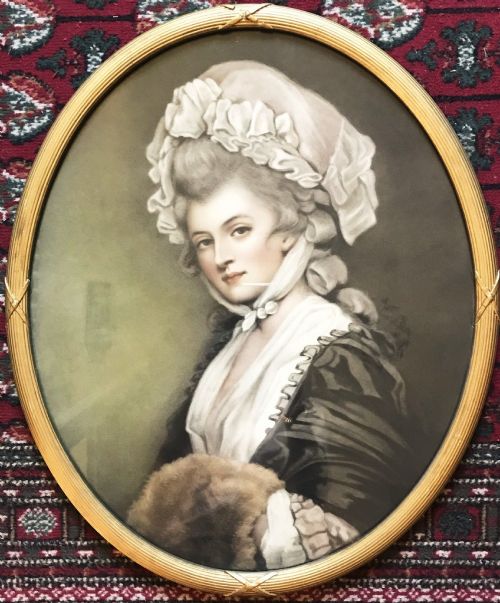
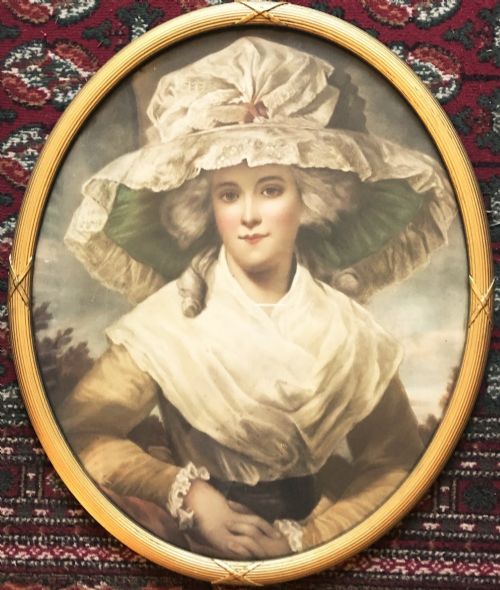
An original georgian portrait painting represents the human likeness rendered during the eighteenth and early nineteenth centuries, encompassing the Georgian, Regency, and William IV periods. These artworks range from grand oil paintings on canvas depicting military captains and clergymen to intimate miniatures executed in watercolour on paper or ivory. The pieces most commonly found include half-length oil portraits in period frames, alongside delicate paper works showing country gentlemen and young ladies.
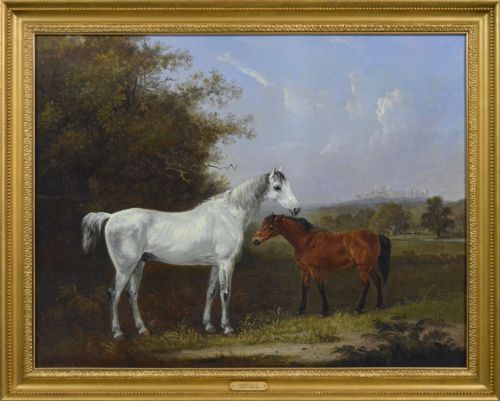
The subjects of these portraits span distinct social strata, featuring named sitters alongside naive depictions of anonymous sitters with items such as books, hats, or animals. Works emerge from established British schools and continental makers, reflecting the artistic tastes stretching from the eighteenth century into the nineteenth century. Buyers encounter both large-scale canvases meant for stately walls and small framed pieces intended for personal collection.
Framing plays an integral part in these works, with surviving pieces often retained in original gilt wood, maple, ebonised, or stepped oak frames. Certain examples include secondary documentation such as presentation plaques or tooled leather carrying cases. The variety extends to silhouettes, reverse paintings on glass, and grisaille watercolours alongside full-colour oil paintings.
Materials and Techniques
Artists of this era primarily worked in oil paint upon prepared canvas, sometimes laid onto wood panels or board for added stability. Watercolours and gouache on paper or ivory formed the basis for smaller, portable miniature portraits intended to be kept close. Pigments were applied with brushes to build form, capturing textiles like blue gowns and merchant uniforms with layered brushwork.
Substrates varied according to the scale and purpose of the commission, utilising woven canvas, stretched paper, and occasionally glass for reverse paintings. Frames were constructed from timber such as oak and maple, then finished with gilding or ebonising to house the artwork securely.
Listings feature works spanning the eighteenth century through the nineteenth century, executed in oil paint, watercolour, and gouache.
Markers of Quality
The distinction between tiers of work rests upon the anatomical precision and psychological depth achieved by the hand of the painter. Accomplished works by named artists display confident brushwork in the rendering of facial expressions and fabrics, whereas simpler naive pieces prioritize charming directness over strict proportion. The preservation of the paint surface and the originality of the mounting also influence the standing of a piece.
Material integrity contributes heavily to the overall standard, notably the survival of untouched paint layers free from extensive re-touching. The quality of the accompanying original frame - whether carved gilt wood or polished ebonised wood - adds to the historical completeness of the artwork.
Charles Jervas·Lemuel Francis Abbott·John Opie RA·Thomas Beach·George Hayter·Tilly Kettle·Henry Singleton RA·Richard Cosway RA·Michael Dahl·John Russell RA
The Original Georgian Portrait Painting Glossary
- Oil on Canvas
- A traditional painting medium where coloured pigments are suspended in a drying oil and applied to a woven fabric support. This combination allowed artists to achieve rich colour depth and smooth tonal gradations.
- Miniature Watercolour
- A small-scale painting executed in water-soluble pigments, frequently detailed on ivory, paper, or vellum. These portable portraits were often housed in protective cases or specialised frames.
- Grisaille
- A painting technique executed entirely in shades of grey, monochrome, or neutral grey-blue. This method was often employed to imitate sculptural reliefs or as a preliminary underpainting.
- Regency
- A stylistic period spanning the early nineteenth century, marked by neoclassical influences in British art and furnishings. Portraits from this era often feature distinct clothing styles, such as high-waisted gowns and tailored coats.
- Naive Art
- A genre of visual art created by individuals without formal academic training. These works are characterised by a flat perspective and a direct, unpretentious approach to human representation.
Original Georgian Portrait Painting: Frequently Asked Questions
How do I date an old portrait?
Dating relies heavily on the sitter's costume, hair styling, and any accompanying inscriptions or labels on the reverse of the canvas. Fashions in dress shifted noticeably between the mid-eighteenth century and the Regency era.
The framing materials and stretcher construction also provide physical clues to the period of creation. Archival records and artist signatures further narrow down the exact decade.
What is a portrait miniature?
A portrait miniature is a small, highly detailed painting designed for private viewing or portability. These were commonly created using watercolour on ivory or vellum during the Georgian and Regency periods.
Subjects often carried these small tokens of affection in pockets, wore them as lockets, or stored them in leather cases. Their compact scale required immense skill from the artist to capture lifelike detail.
Are original frames important?
Original frames contribute significantly to the historical integrity and visual harmony of an antique painting. Finding a portrait retained in its period gilt wood or maple frame is a desirable attribute for collectors.
Frames often bear maker's stamps, dealer labels, or presentation plaques that trace the history of the object. Alterations or replacements to the framing can alter the overall presentation.
What is a naive portrait?
A naive portrait is an artwork produced outside the academic traditions of proportion and perspective. These pieces possess a charming, straightforward aesthetic created by regional or self-taught painters.
Far from lacking skill, these works capture personality and character with direct honesty. They offer a distinct window into historical communities beyond elite portraiture.