




Original Castle Artwork
Original castle artwork captures centuries of British heritage in oil on canvas and delicate watercolour, bringing historic fortresses directly into your home.
Original Castle Artwork
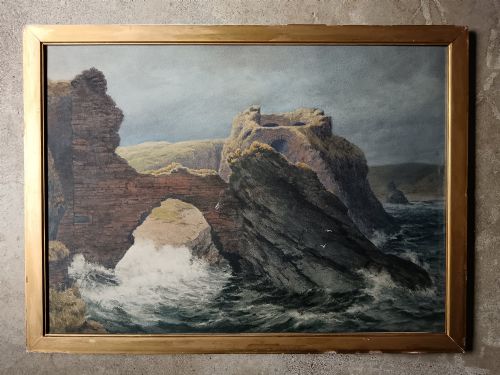
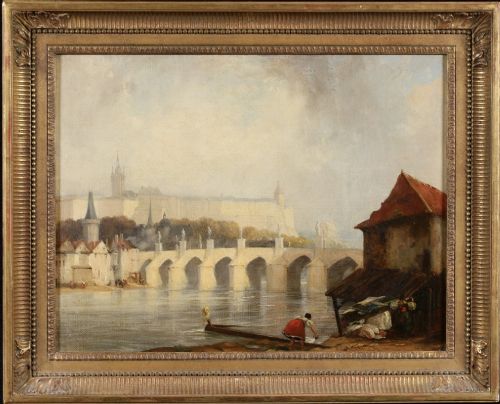
Original castle artwork encompasses paintings and drawings depicting historic fortresses, coastal ruins, and royal estates across Britain and Europe. When you search for original castle artwork, you encounter picturesque watercolours and robust oil paintings spanning the Victorian era through the mid-twentieth century.
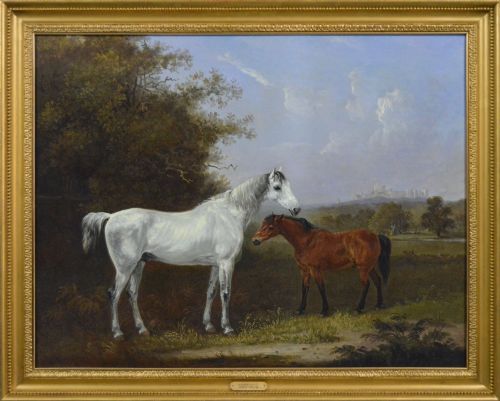
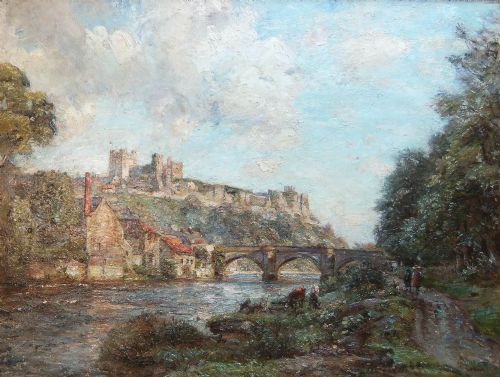
The most common subjects met on this page are northern English strongholds like Bolton Castle and Richmond Castle, alongside royal landmarks such as Windsor Castle. These pieces capture specific topographical views, often framed by surrounding rivers, valleys, and winter landscapes.
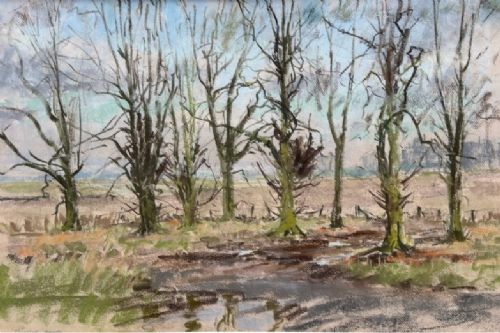
Works range from detailed late nineteenth-century watercolours on paper to bold twentieth-century oil paintings on canvas. Artists recorded these ancient sites using ink, pastel, and pigment, preserving both the architectural detail and the changing moods of the British countryside.
Materials and Technique
Artists relied primarily on watercolour pigment on paper or oil paint on canvas to render these stone facades and surrounding terrains. Watercolours offered a fluid medium for capturing coastal mists and river reflections around ruins, whilst oil on canvas permitted heavier layering to describe the dense masonry of ancient walls.
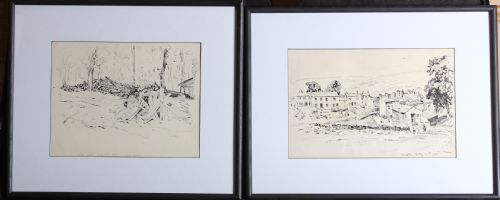
Support materials include traditional stretched canvas, heavy art paper, and occasionally wood panels, often housed within period giltwood frames under glass. Drawings frequently incorporate ink lines to define stonework before applying washes of colour or sepia tones.
Original Castle Artwork Retail Price Guide 2026
Typical asking prices for original castle artwork among the pieces listed under this phrase on Sellingantiques today, from the lower quarter to the upper quarter. They describe what is for sale here now, not the wider market.
Listings feature works executed on paper, canvas, and wood, utilising watercolour pigment, oil paint, and ink across several British art periods.
Judging Quality and Execution
Quality in these paintings rests upon the artist's command of perspective, light, and atmospheric depth when rendering massive stone structures. A superior piece captures the heavy mass of a fortress while maintaining delicate relationships between the architecture, water, and sky.
The handling of the medium distinguishes standard topographical records from masterful artistic interpretations. Skilled brushwork in oils or precise control of pigment washes creates convincing textures on ancient stone and natural foliage.
Fred Lawson·Edmund Bristow·James Orrock·William Mellor·Samuel Sidley
The Original Castle Artwork Glossary
- Watercolour
- A paint consisting of a pigment suspended in a water-soluble vehicle, typically applied to paper to create translucent washes.
- Oil on Canvas
- A painting technique where pigmented oil is applied to a woven fabric stretched across a wooden frame, allowing rich colour saturation and texture.
- Giltwood
- Wood that has been covered with a thin layer of gold leaf or gold paint, frequently used for traditional picture frames.
- Topographical
- A genre of art focused on the accurate depiction of specific places, buildings, and landscapes.
- Sepia
- A reddish-brown monochrome pigment derived from the ink sac of the cuttlefish, often used for atmospheric drawings.
Original Castle Artwork: Frequently Asked Questions
What periods do these castle paintings represent?
The selection spans from the Georgian era and Victorian period through the Edwardian years and into the mid-twentieth century. Most pieces reflect nineteenth-century romanticism and early twentieth-century British landscape traditions.
Artists during these decades regularly toured historical sites, producing topographical watercolours and oils that documented changing rural and urban surroundings.
How were these castle artworks displayed historically?
Such paintings were traditionally framed in decorative giltwood and hung within domestic reception rooms, libraries, and studies. They served both as reminders of travels to historic British landmarks and as expressions of national heritage.
Many works retain their original framing materials, which help indicate their period of creation and initial presentation.
How do I care for antique watercolours?
Watercolour paintings on paper require protection from direct sunlight to prevent fading of the pigments. Keeping them behind glass in stable indoor environments helps preserve the paper support.
Avoid hanging these delicate works in rooms with high humidity, such as kitchens or unventilated bathrooms.
How can I tell a watercolour from an oil painting?
Watercolours are painted on paper, usually displayed under glass, and feature translucent washes where the white of the paper illuminates the colour. Oil paintings are executed on canvas or wood, presenting a textured surface with opaque layers of pigment.
Oils rarely require glass for protection, whereas works on paper need physical barriers against dust and moisture.