




Orientalist Lighting
Orientalist lighting captures the romance of distant lands through glowing lanterns, pierced metals, and figural lamps that transform a room.
Orientalist Lighting
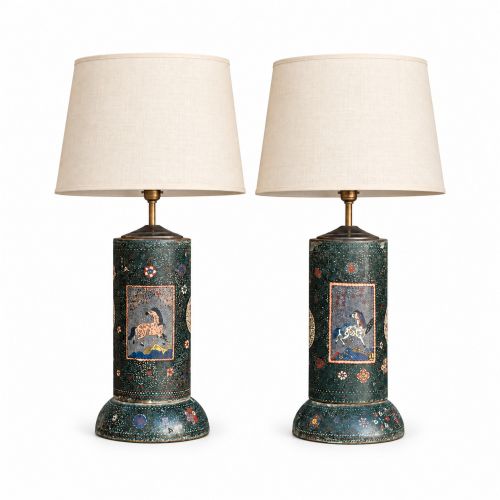
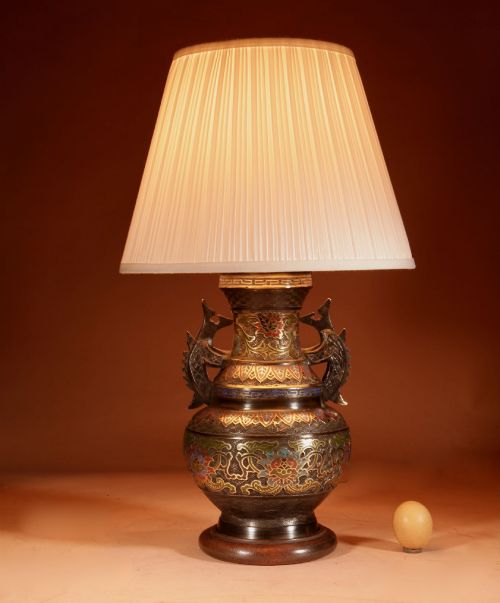
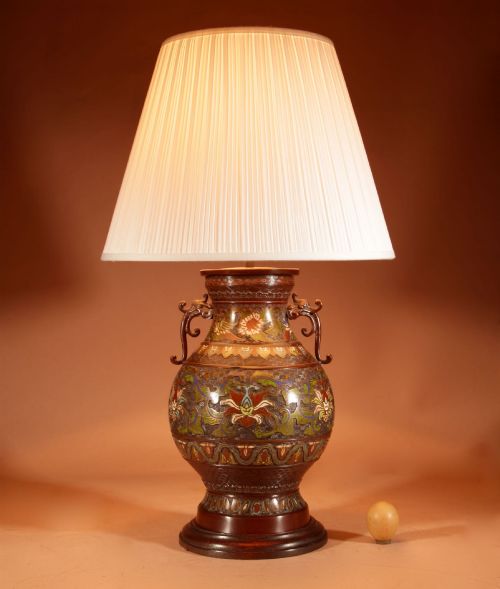
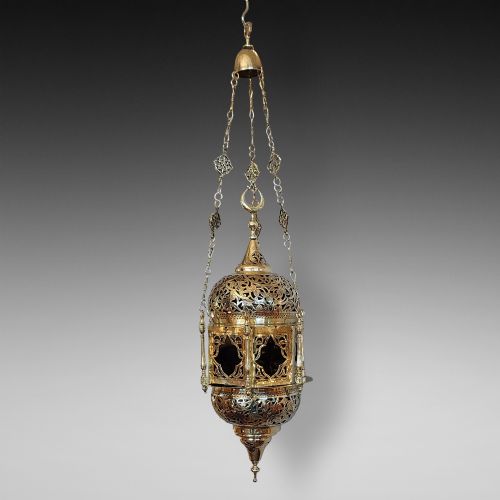
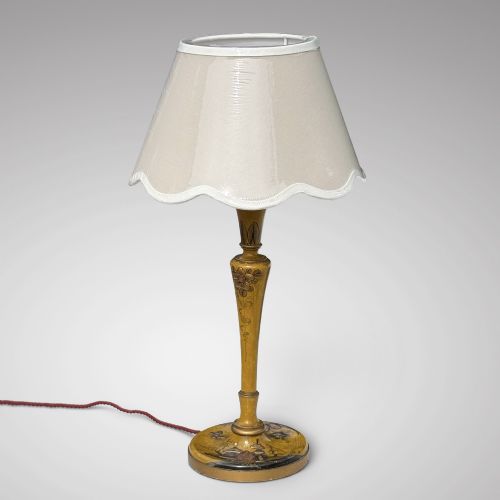
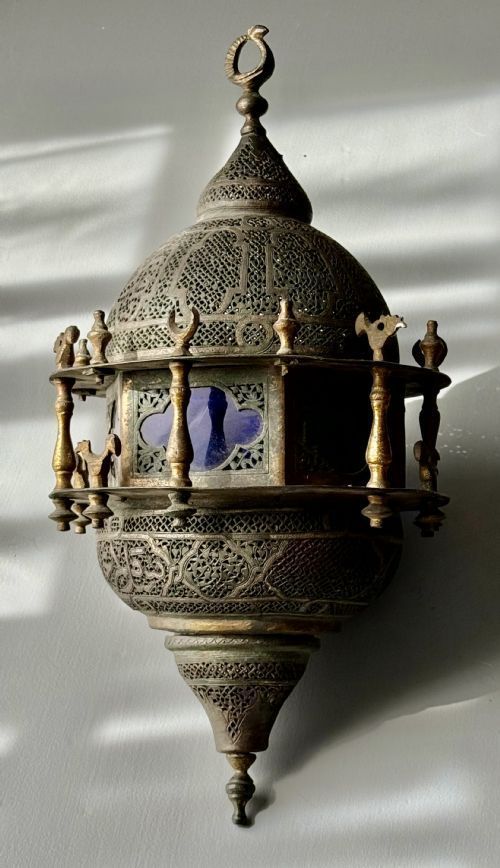
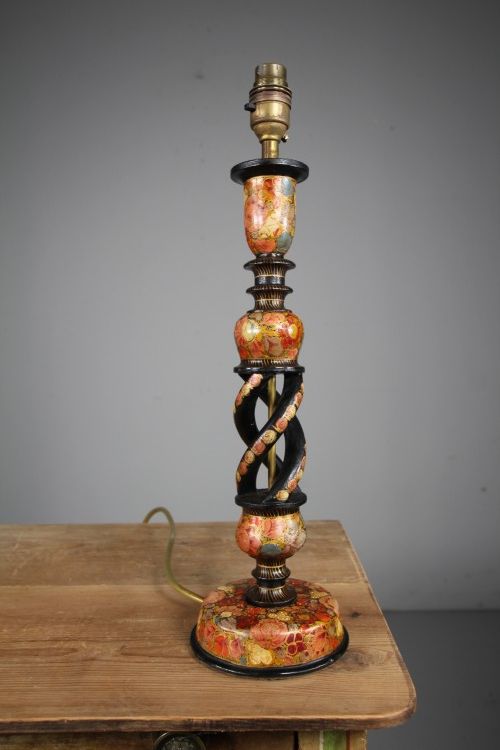
Orientalist lighting encompasses decorative lamps, lanterns, and candelabra that draw inspiration from Middle Eastern, North African, and Asian aesthetics. These pieces range from hanging lanterns in Moroccan and Moorish styles to table lamps utilising Chinoiserie lacquer and Kashmiri motifs.
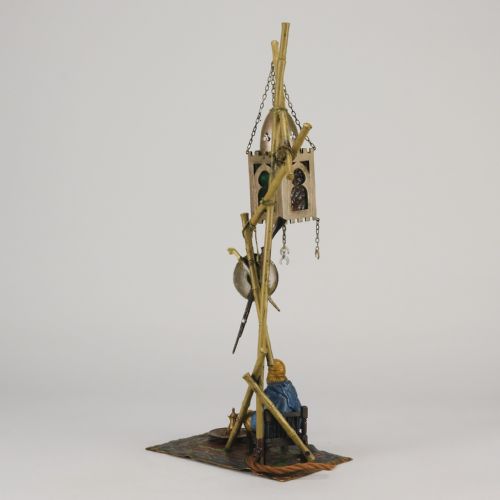
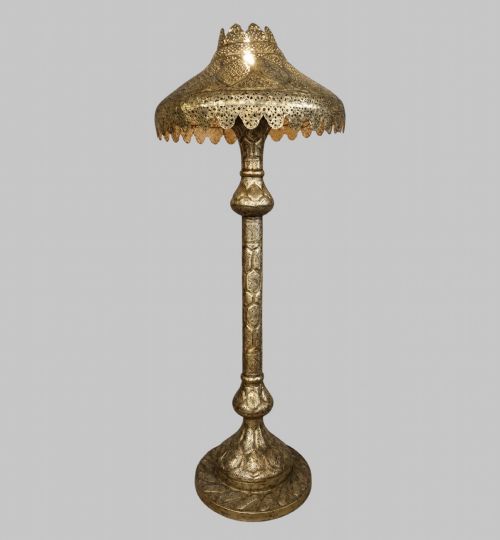
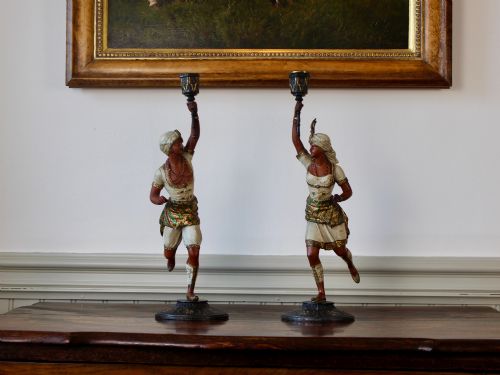
Forms vary from floor-standing models and wall-lights to figural pieces depicting historical figures or exotic scenes. Each object reflects European fascination with Eastern design traditions adapted for Western interiors of the period.
Materials and construction techniques
Brass serves as the primary structural metal, frequently pierced, hand-engraved, or cold-painted to achieve intricate patterns. Artisans also utilised bronze, copper, silver-plating, and white metal, alongside specialised techniques like champlevé enamel and cloisonné.
Glass panels in coloured or stained varieties diffuse light through pierced metalwork, creating atmospheric shadows. Other pieces incorporate lacquer, painted fabric, papier-mâché, and porcelain to realise distinct styles from Japanese aesthetics to French Art Deco.
Orientalist Lighting Retail Price Guide 2026
Typical asking prices for orientalist lighting among the pieces listed under this phrase on Sellingantiques today, from the lower quarter to the upper quarter. They describe what is for sale here now, not the wider market.
The inventory spans the nineteenth century through the Art Deco era, encompassing Edwardian styles and the 1920s.
Distinctions in craftsmanship and design
Quality rests in the crispness of the hand-engraving, the depth of the metalwork piercing, and the integrity of the original patination. Pieces featuring signed foundry work or detailed cold-painting display superior artistry compared to mass-produced alternatives.
The weight of the cast brass or bronze, the preservation of coloured glass and enamel, and the complexity of the figural casting distinguish standard domestic items from exceptional works intended for specific markets.
Franz Bergman·Bruno Zach·Argilor
The Orientalist Lighting Glossary
- Cairoware
- Brass metalwork inlaid with silver or copper, originating from Cairo and popular in the late nineteenth and early twentieth centuries. These items were widely collected by European travellers.
- Champlevé
- An enamelling technique where troughs are sunk into a metal surface and filled with vitreous enamel before firing. This method creates rich colour panels on nineteenth-century candelabra and lamps.
- Cold-painted
- A process where bronze or spelter sculptures were painted with oil-based colours without subsequent kiln firing. This delicate finish is typical of figural lamps from the early twentieth century.
- Veilleuse
- A small ceramic or porcelain night-light designed to burn slowly through the night. French examples often take whimsical figural forms.
- Chinoiserie
- A European style reflecting Chinese artistic influences, utilised in lacquerwork and decorative table lamps. It blends Asian motifs with Western furniture forms.
Orientalist Lighting: Frequently Asked Questions
Are these lamps rewired for modern use?
Many antique lamps require rewiring to meet contemporary safety standards and fit modern plug sockets.
A specialist lighting restorer can update the internal wiring while preserving the original historical exterior.
How do I clean pierced brass safely?
Dust intricate pierced metalwork gently with a soft brush rather than using harsh chemical polishes that strip patination.
Preserving the aged surface texture maintains the historical character and visual depth of the metal.
What is the difference between Moorish and Chinoiserie lighting?
Moorish lighting relies on pierced brass, geometric patterns, and coloured glass to create warm, ambient shadows.
Chinoiserie pieces utilise lacquered surfaces, painted motifs, and porcelain to evoke East Asian design traditions.