





Oriental Vanity Mirror
These oriental vanity mirror pieces range from Kashmiri brass inlay to Chinese export lacquer, offering distinctive dressing items for your home.
Oriental Vanity Mirror
When you search for an oriental vanity mirror, you encounter dressing mirrors, wall mirrors, and table mirrors spanning the eighteenth, nineteenth, and twentieth centuries. These pieces cross various traditions, including Chinese export, Qing Dynasty, and Anglo-Indian designs.
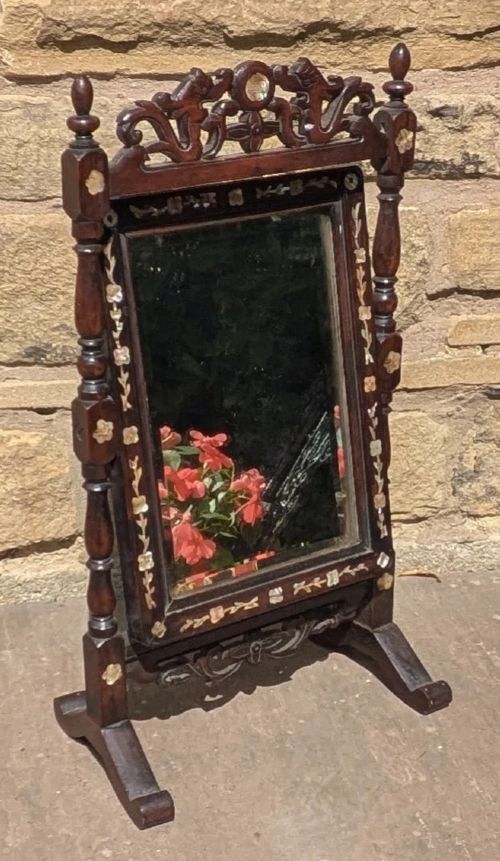
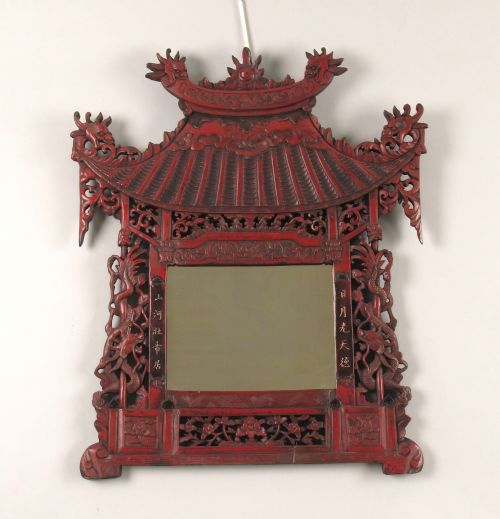
The version you are most likely to meet on this page is a nineteenth-century or circa nineteen-hundred table mirror, dressing mirror, or wall mirror. They incorporate diverse forms such as pagoda wall mirrors, cheval mirrors, and pierced-edge frames.
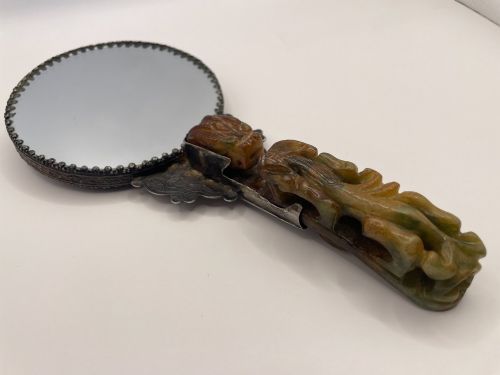
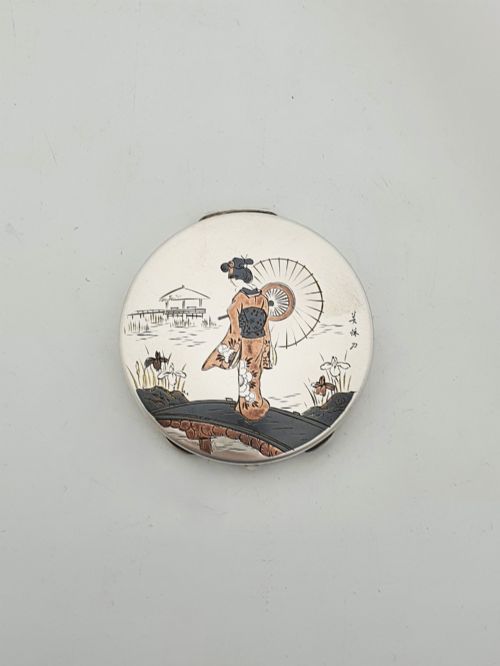
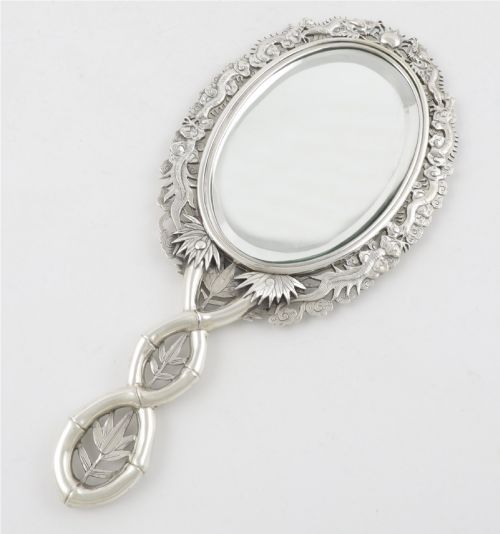
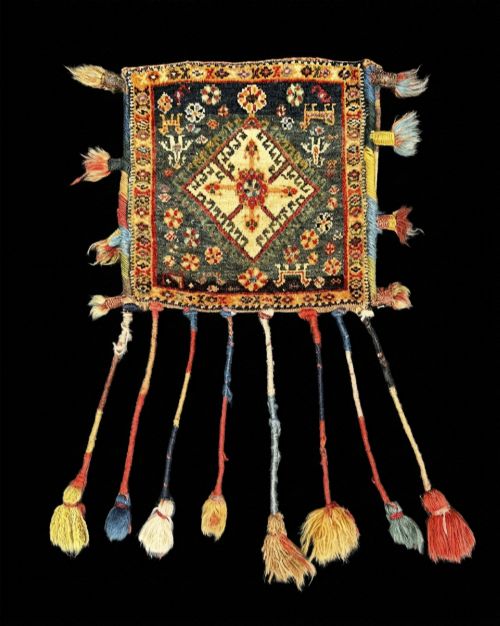
Certain objects in this category extend beyond glass and wood into related domestic and personal accessories. You may find items such as Chinese silver compacts, hand mirrors, and even tribal bags alongside the core mirror selections.
Materials and construction
Makers utilised a variety of woods including hardwood, cherrywood, and ebonised timber for the frames. These wooden structures frequently featured intricate carvings, red lacquer finishes, or Chinoiserie decoration.
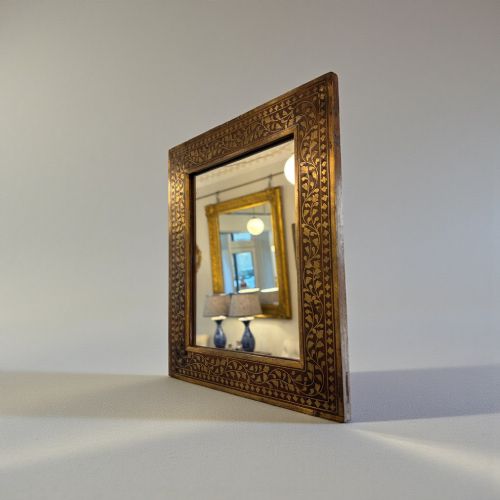
Metalwork and inlay played a major role in the construction of many pieces. Kashmiri items employ brass inlay on wood, while Chinese export pieces incorporate mother of pearl or fine silver work.
Oriental Vanity Mirror Retail Price Guide 2026
Typical asking prices for oriental vanity mirror among the pieces listed under this phrase on Sellingantiques today, from the lower quarter to the upper quarter. They describe what is for sale here now, not the wider market.
Assessing quality
Quality rests in the precision of the carving, the complexity of the inlay, and the preservation of the surface finish. Pieces featuring detailed mother of pearl work or intricate brass inlay demonstrate superior craftsmanship compared to simpler designs.
The integrity of the materials, whether the depth of the red lacquer or the weight of the Chinese silver, dictates the standard of the piece. Authentic period execution in styles such as Qing Dynasty or Anglo-Indian Hoshiarpur work marks the upper tier.
The Oriental Vanity Mirror Glossary
- Cheval mirror
- A freestanding mirror supported on a frame with vertical pivots allowing the glass to tilt. This form permits a full-length view.
- Chinese export
- Goods manufactured in China specifically for Western markets from the eighteenth century onwards. These items blend Eastern techniques with Western forms.
- Lacquer
- A durable finish applied to wooden objects, often built up in multiple coats and carved. Red lacquer is particularly prominent in certain decorative traditions.
- Mother of pearl
- An iridescent inner layer of certain mollusc shells used for inlay work. It creates striking decorative patterns on wood.
Oriental Vanity Mirror: Frequently Asked Questions
What is an oriental vanity mirror?
These items are dressing, wall, or table mirrors reflecting Asian and Anglo-Indian decorative traditions from the eighteenth to the early twentieth century.
They encompass a range of styles including Qing Dynasty works, Chinese export pieces, and Kashmiri brass-inlaid items.
How were these mirrors used?
Owners placed them upon dressing tables or hung them on walls for personal grooming and to reflect light within interior spaces.
Smaller pieces like hand mirrors and silver compacts served personal vanity needs on dressing tables.
What materials are common?
Frames are constructed from various woods, including cherrywood, hardwood, and ebonised timber.
Decoration frequently includes brass inlay, mother of pearl, red lacquer, and solid Chinese silver.
How do styles differ?
Styles range from the carved cherrywood and red lacquer pagoda designs of China to the brass-inlaid woodwork of Kashmir and Hoshiarpur.
Victorian Chinoiserie interpretations offer a European take on Eastern motifs distinct from direct export pieces.