

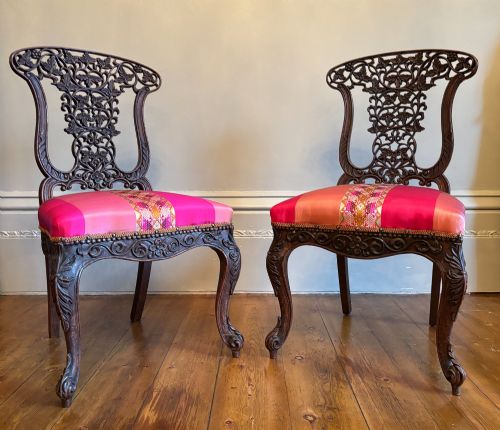
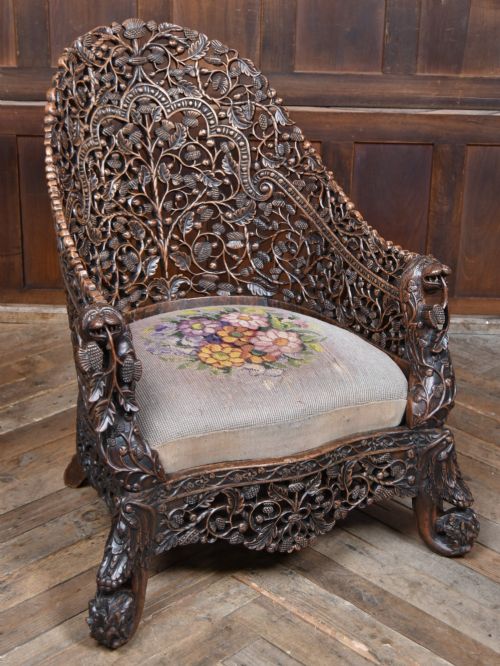
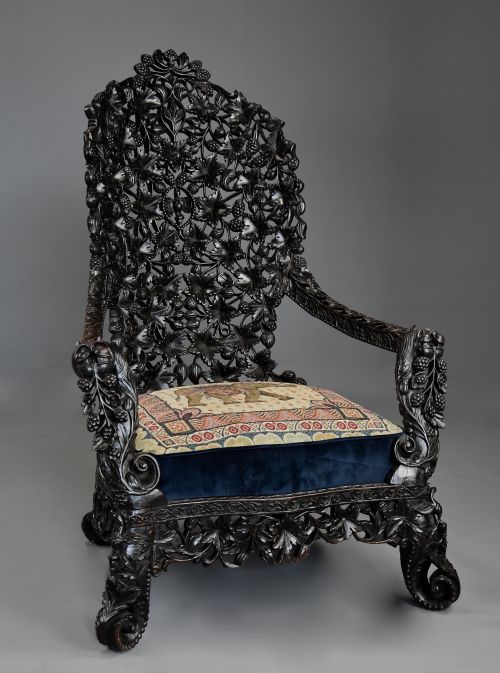
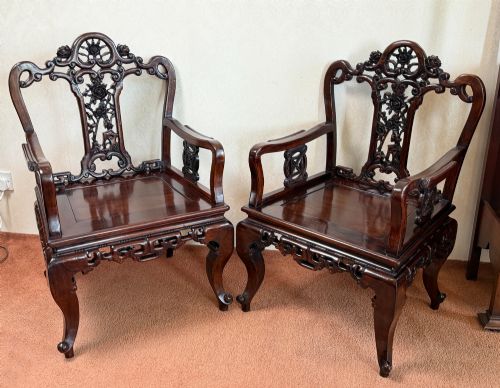
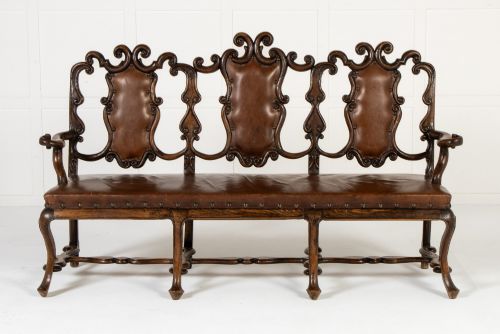


Openwork Carved Chair
These openwork carved chairs combine structural timber with intricate pierced detailing, offering robust seating with rich ornamentation.
Openwork Carved Chair
How they were made
Maker workshops utilised dense hardwoods such as mahogany, walnut, rosewood, padouk, and hongmu to ensure the timber could support deep piercing without splintering. Craftsmen carved intricate motifs directly into the structural grain, creating perforated panels and scrollwork across the backs and frames.
Upholstered elements incorporated traditional materials like velvet, tapestry, and heavy fabric fixed to sprung or padded seats. Pitch pine and blackwood also served as primary structural woods in specific regional workshops during the Victorian and Qing periods.
Openwork Carved Chair Retail Price Guide 2026
Typical asking prices for openwork carved chair among the pieces listed under this phrase on Sellingantiques today, from the lower quarter to the upper quarter. They describe what is for sale here now, not the wider market.
Some nineteenth century harpist chairs were engineered with unusual ergonomic angles specifically to accommodate musicians performing with large stringed instruments.
What varies in quality
The depth and crispness of the pierced carving separate standard production pieces from exceptional examples. Finer seating displays meticulously finished interior edges within the openwork pattern rather than superficial surface incisions.
Timber selection dictates overall structural integrity and visual weight, with dense tropical hardwoods and figured walnuts holding crisper architectural details than softer regional pines.
The Openwork Carved Chair Glossary
- Openwork
- Woodwork that has been pierced or cut through to create a pattern where the background shows entirely through the material. This technique lightens heavy timber frames while adding decorative complexity.
- Hongmu
- A traditional Chinese term denoting dense, dark hardwoods used for fine furniture construction. It translates literally as red wood and includes dense timbers capable of holding sharp carved details.
- Padouk
- A durable tropical timber known for its stability and rich reddish-brown colour. It provides a robust framework for intricate pierced carving.
- Scroll carved
- Timber decoration featuring spiralling, ornamental bands resembling rolled paper or parchment. This motif frequently appears along the top rails and armrests of Victorian seating.
Openwork Carved Chair: Frequently Asked Questions
How do I clean openwork carved wood?
Dust intricate carved channels regularly using a soft-bristled brush to prevent particulate buildup in the pierced recesses.
Apply a microcrystalline wax sparingly with a clean cloth to nourish the timber without filling the openwork details.
Can these chairs be used daily?
Most nineteenth century examples tolerate normal seating use provided the joinery remains tight and stable.
Heavily pierced backrests require care to prevent impact damage to slender wooden struts during relocation.
What periods do these chairs represent?
The available selection spans the nineteenth century, encompassing Victorian revival pieces and Qing dynasty Chinese craftsmanship.
Specific production dates cluster around the Victorian era and the late nineteenth century.
How do I identify Chinese hongmu chairs?
Chinese hongmu chairs feature dense, heavy tropical hardwoods finished with traditional joinery rather than metal fixings.
The carved openwork typically incorporates classical Qing dynasty motifs and formal symmetry.