

Open Shelf Bookcases
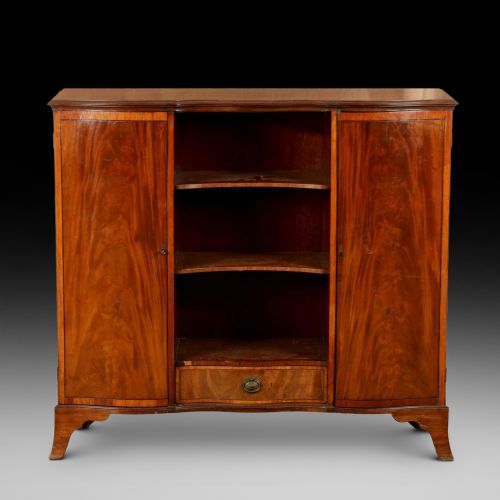
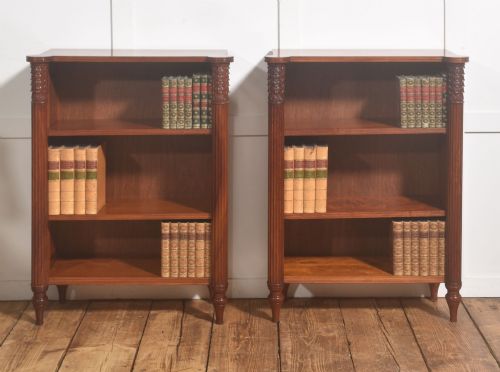
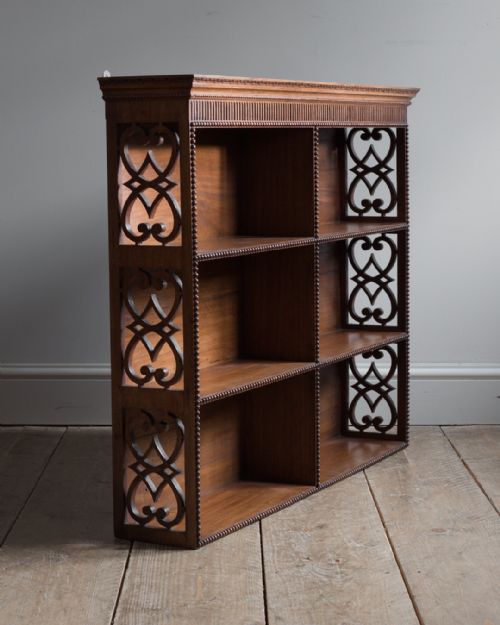
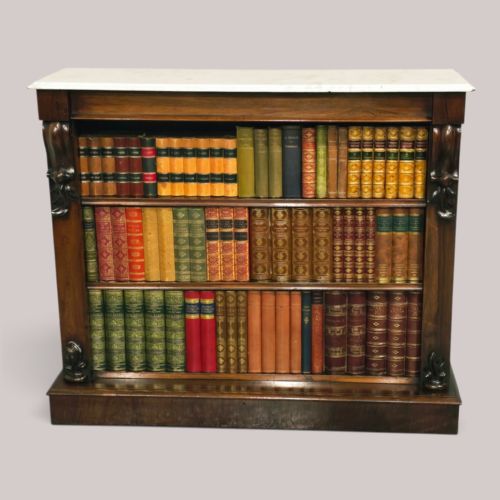
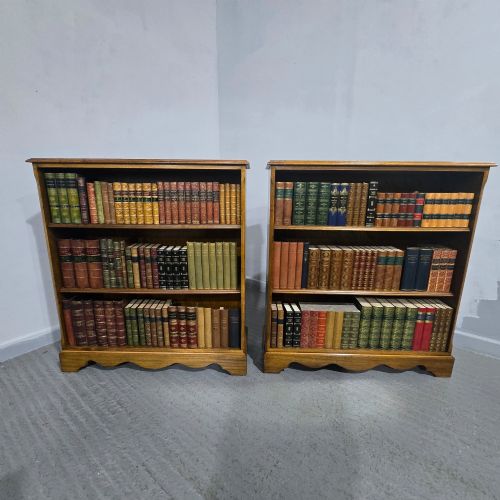
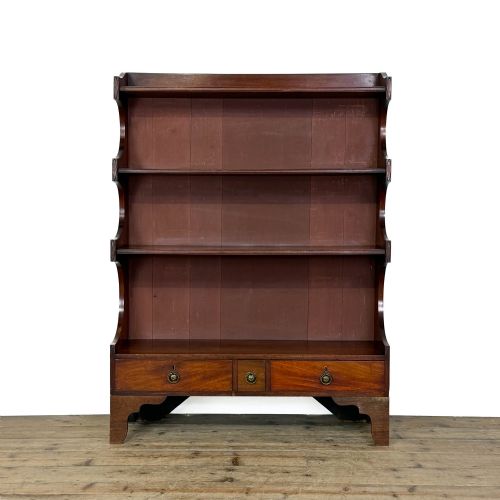
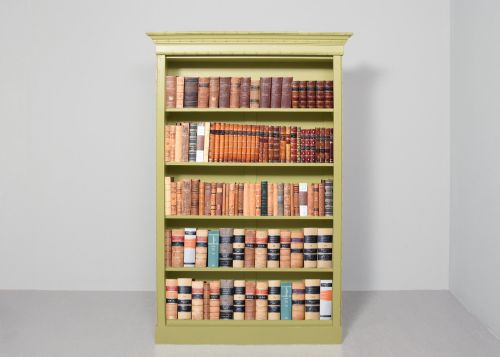
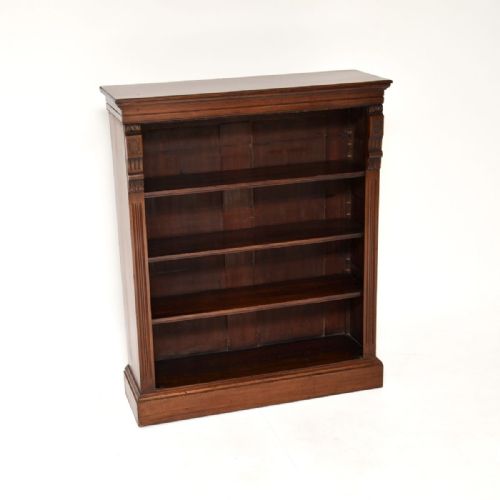
Open shelf bookcases bring immediate display space and accessible storage to a room, ranging from compact Victorian pine to large mahogany library pieces.
Open Shelf Bookcases
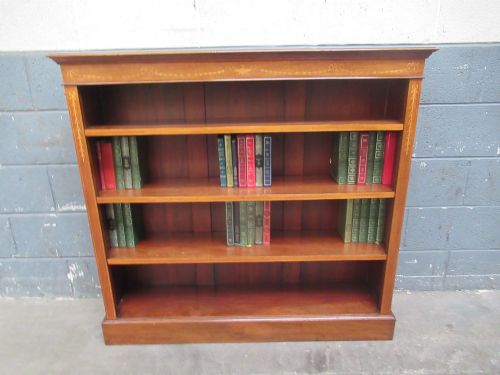
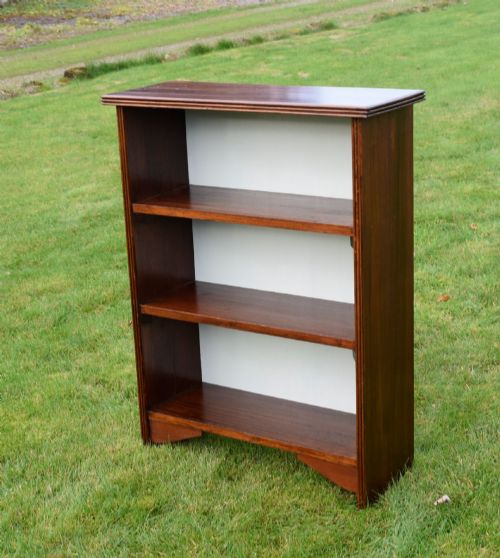
Open shelf bookcases serve rooms needing accessible storage and display, appearing frequently in Victorian mahogany, Edwardian timber, and sturdy oak forms. Buyers seeking these items encounter formats ranging from compact wall shelves to tall, multi-tier library units designed for daily utility.
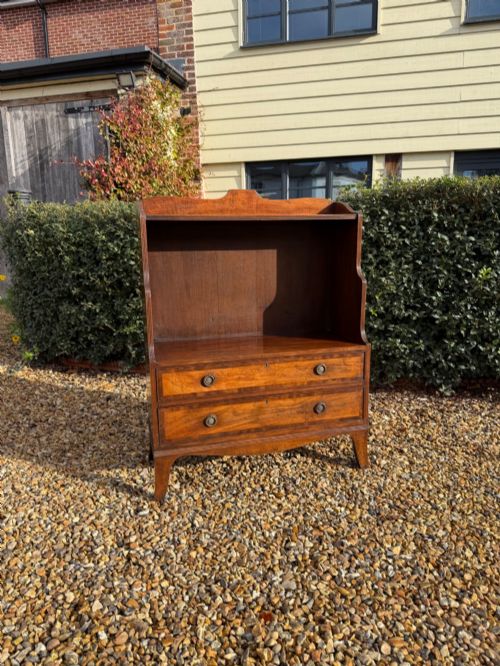
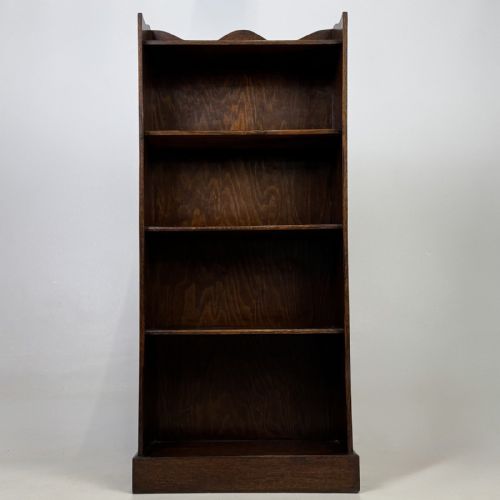
The selection includes specialised variations such as narrow Arts and Crafts designs with shaped galleries, waterfall silhouettes, and occasional corner cabinets. Many examples incorporate adjustable shelves, reflecting the practical demands placed on domestic furniture across the nineteenth and early twentieth centuries.
Materials and construction
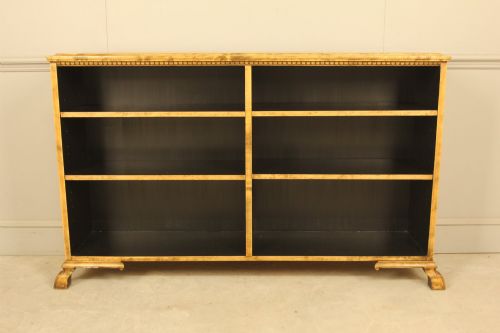
Cabinetmakers relied on dense hardwoods like mahogany, walnut, oak, and flame birch for structural integrity, often enhancing surfaces with satinwood inlay or brass mounts. Pine served as a reliable secondary timber for interiors and less prominent framing.
Joinery methods prioritized weight support and durability, visible in fixed uprights and routed channels for adjustable shelving. Surface finishes range from polished French polishes to painted faux bamboo and bleached treatments.
Open Shelf Bookcases Retail Price Guide 2026
Typical asking prices for open shelf bookcases among the pieces listed under this phrase on Sellingantiques today, from the lower quarter to the upper quarter. They describe what is for sale here now, not the wider market.
Some nineteenth-century makers applied painted faux bamboo to pine, proving Victorians loved an exotic look on a domestic budget.
Distinctions in craftsmanship
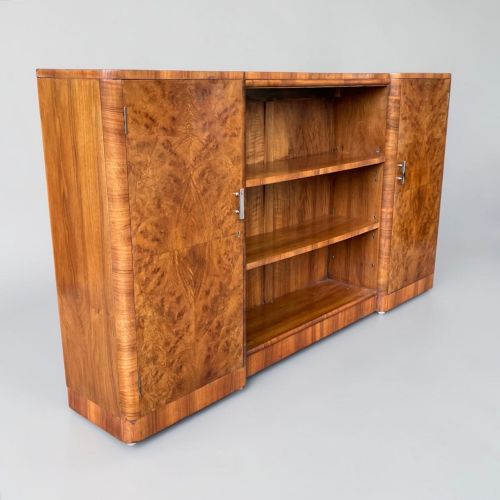
Quality separates mass commercial production from bespoke cabinetwork through timber selection, figure consistency in veneers like flame birch, and the refinement of applied mouldings. Superior pieces display thoughtful proportions, such as narrow depths matched to balanced heights.
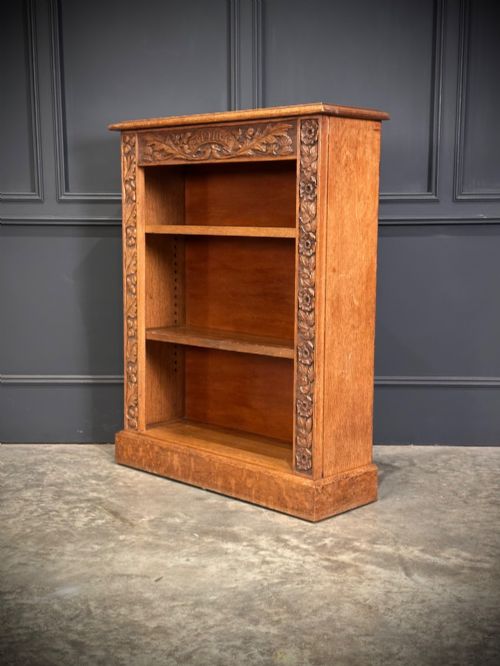
Details such as carved galleries, integrated brass fittings, and cleanly executed adjustable shelving mechanisms elevate certain items above standard utility furniture. The integrity of the original wood finish and the crispness of carved oak or inlay work further distinguish the range.
Krieger Paris
The Open Shelf Bookcases Glossary
- Waterfall bookcase
- A graduated set of open shelves where each tier is narrower than the one below, creating a cascading silhouette popular in the nineteenth century.
- Adjustable shelves
- Movable horizontal boards supported by pins, ratchets, or side grooves, allowing interior heights to change according to book sizes.
- Gallery
- A low decorative railing or shaped wooden upstand placed along the top edge of a piece to prevent items from sliding off.
- Flame birch
- A decorative timber cut to reveal a distinctive undulating flame pattern, utilised in high-end cabinet facades.
- Arts and Crafts
- A design movement emphasising honest construction, simple oak forms, and minimal applied decoration, prevalent around the turn of the twentieth century.
Open Shelf Bookcases: Frequently Asked Questions
Where should an open shelf bookcase go?
These units suit studies, living rooms, and hallways where books or display objects require immediate visibility and reach.
Compact narrow versions fit smaller alcoves, while tall Victorian mahogany pieces anchor larger wall spaces.
How do I adjust the shelves?
Most antique adjustable versions use wooden support battens, brass studs, or vertical slots cut into the interior sides.
Shelves lift out manually and reposition into alternative slots to accommodate varying book heights.
Are these pieces suitable for heavy books?
Solid hardwood versions in oak or mahogany provide strong support for substantial volumes and reference sets.
Thicker timber boards resist sagging over long spans better than lighter secondary woods.
How do I identify the period?
Victorian and Edwardian examples often feature heavy mahogany or carved oak with traditional dark finishes, while Arts and Crafts pieces show plainer quarter-sawn oak.
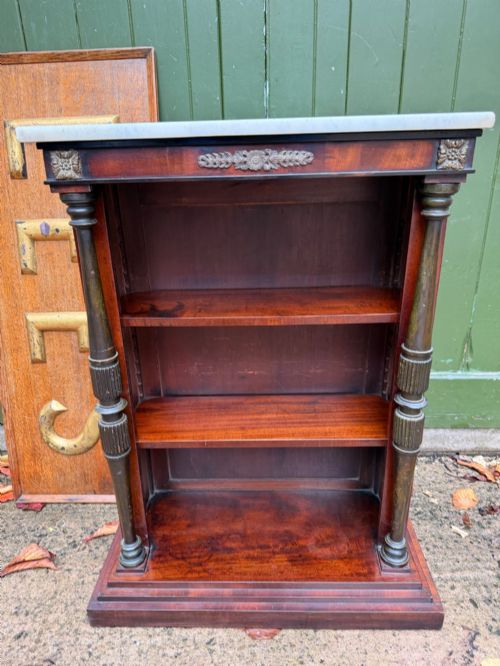
Earlier Regency styles incorporate brass mounts and refined ebony details.