
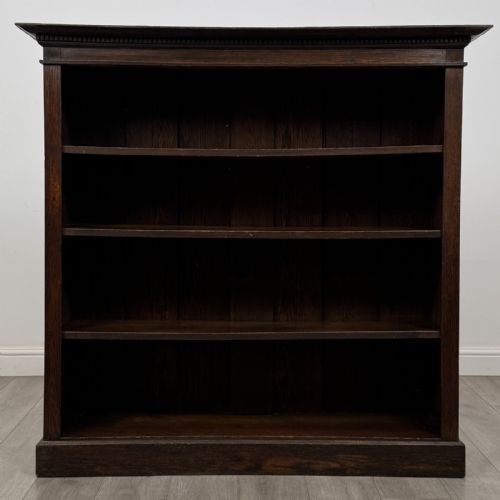
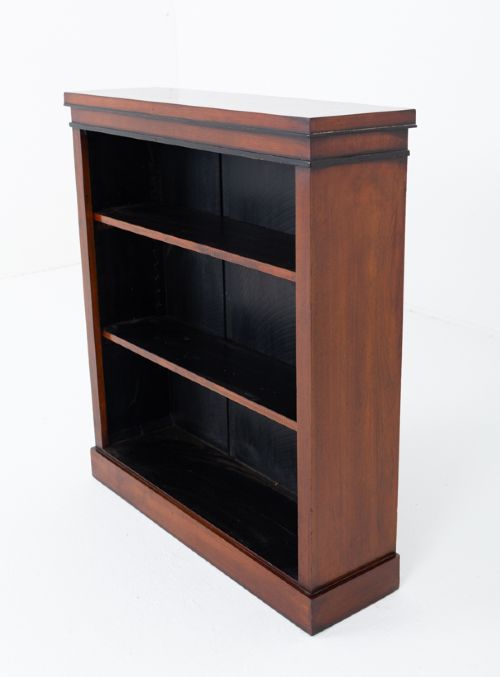
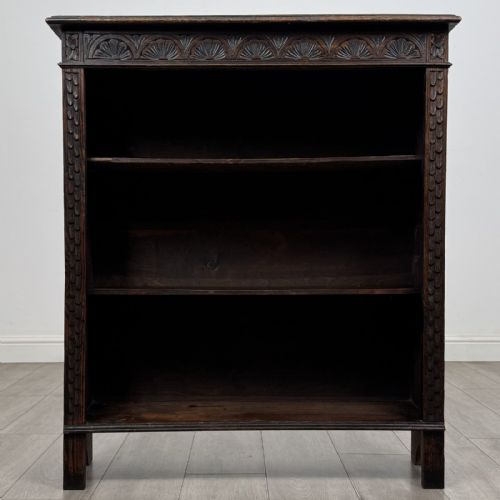
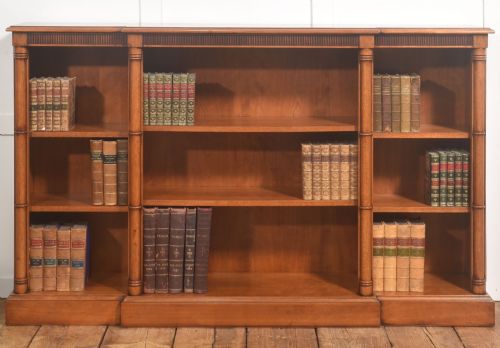
Open Book Display Unit
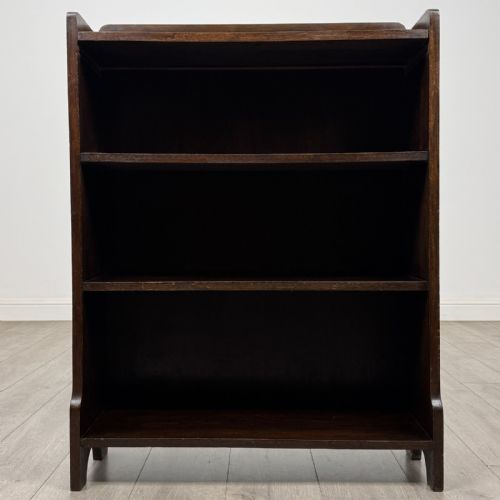
An open book display unit holds volumes without doors, presenting libraries to the room in Edwardian, Victorian, and later formats.
Open Book Display Unit
When searching for an open book display unit, a buyer encounters shelving furniture designed for immediate access to volumes rather than enclosed storage. These items appear across periods spanning the nineteenth century through the early twentieth century, including Victorian and Edwardian iterations.
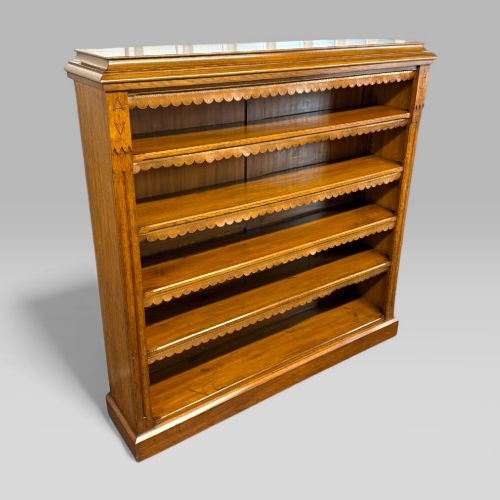
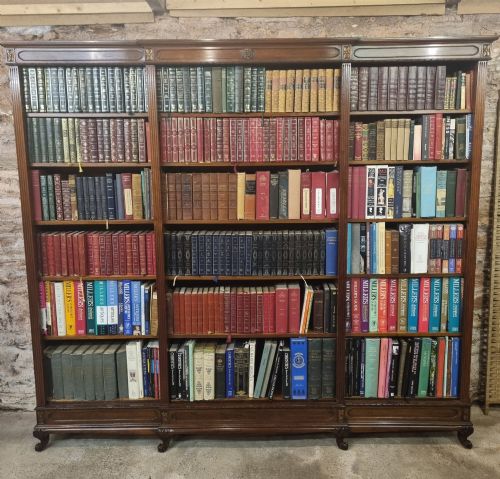
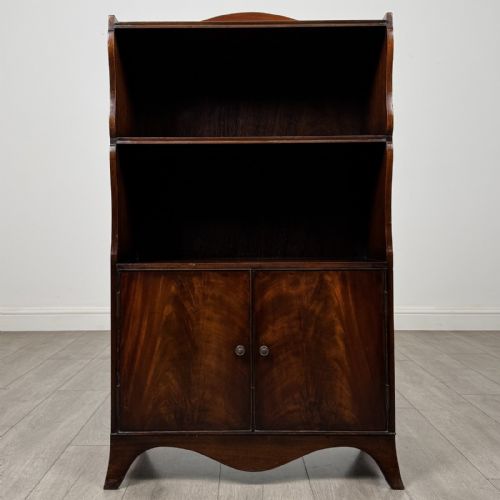
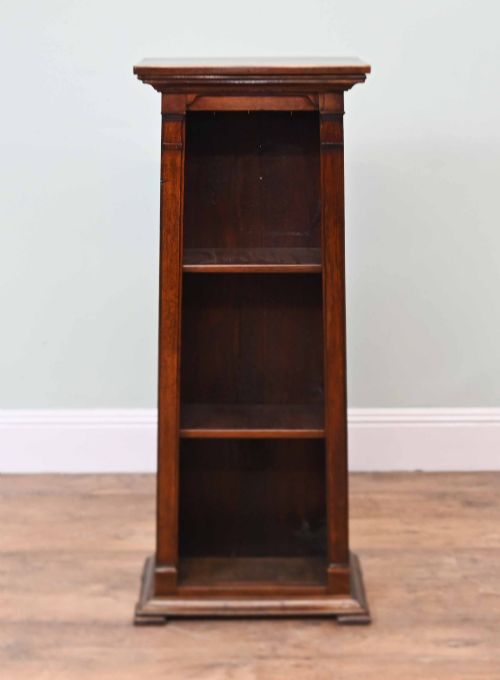
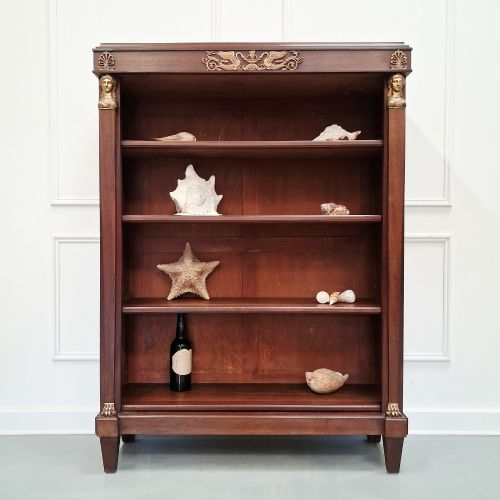
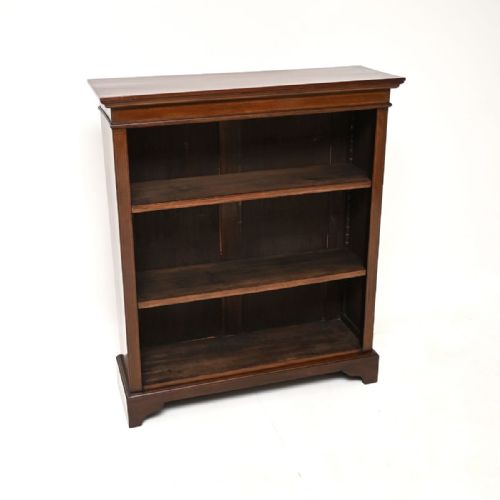
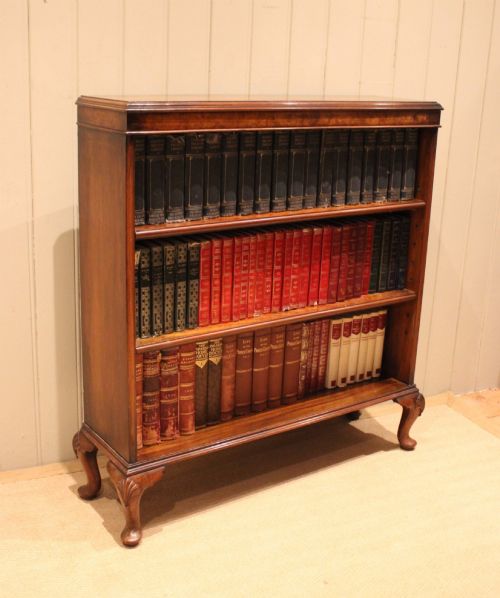
The format ranges from small mahogany or oak pieces with canted corners to large breakfront designs, wall shelves, and étagères. Edwardian oak examples with multiple or adjustable shelves dominate the selections met on this page.
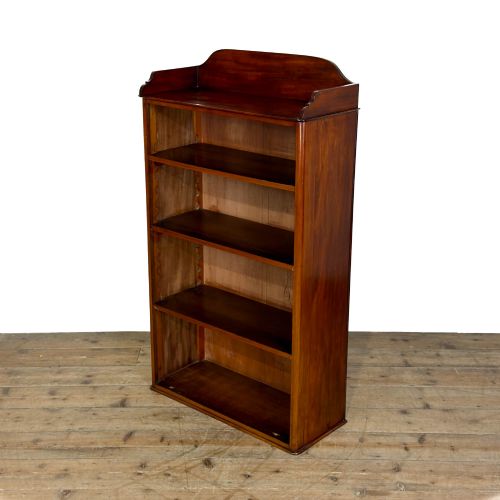
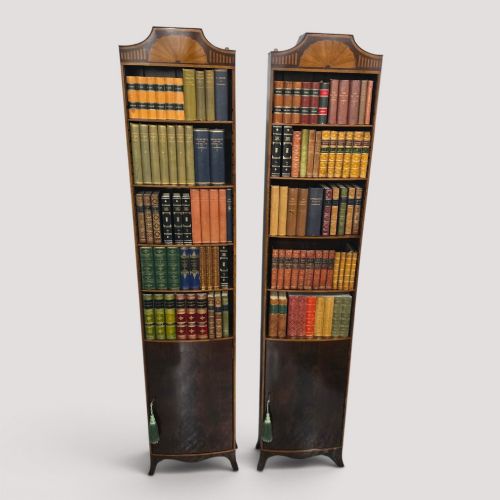
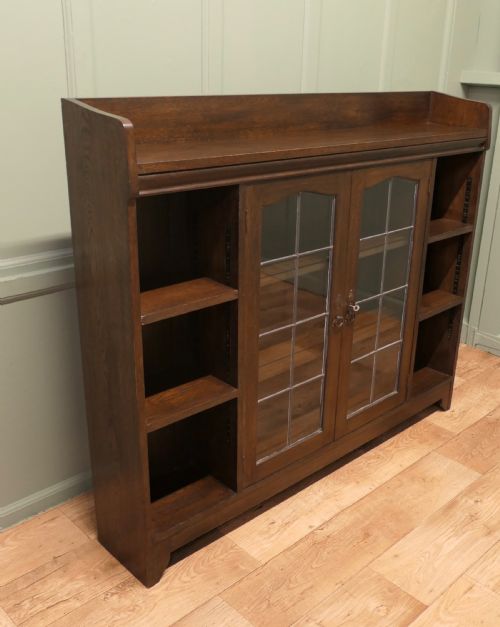
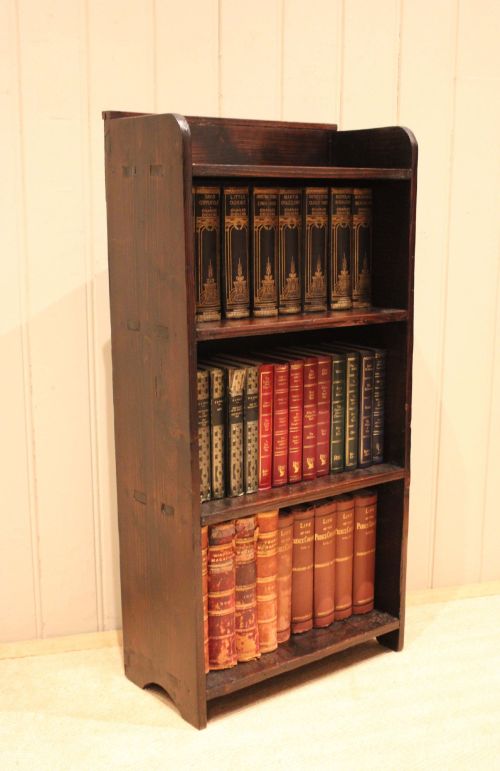
Variations include rustic pine versions, walnut breakfronts, and pieces featuring raised or carved galleries. Certain items incorporate cupboard doors beneath the open shelving or arrive as matched pairs.
Materials and construction
Cabinet makers utilised solid timbers such as oak, mahogany, walnut, pine, and rosewood to construct these display units. Flame mahogany veneer and brass hardware appear on select examples, while fabric occasionally surfaces within associated étagères.
Construction techniques include carved ornamentation on oak frameworks and inlaid detailing on Edwardian mahogany surfaces. Many pieces incorporate adjustable shelving systems or raised galleries to secure the contents.
Listings feature oak, mahogany, walnut, and pine across Victorian, Edwardian, and Art Deco periods.
Markers of quality
Quality rests in the selection of timber and the execution of carved or inlaid details upon the frame. Pieces utilising solid golden oak, burr walnut, or flame mahogany display greater depth of grain than plain utility variants.
Refinement shows in functional elements such as smoothly operating adjustable shelving mechanisms and sturdy gallery rails. The presence of breakfront proportions or matched pairs elevates the visual weight of the furniture.
The Open Book Display Unit Glossary
- Breakfront
- A piece of furniture where the centre section projects forward from the side sections. This configuration adds architectural depth to large bookcases.
- Étagère
- A piece of furniture consisting of a set of open shelves for displaying small objects. These often accompany bookcase selections.
- Canted corners
- Vertical edges that are bevelled or angled rather than square. This detail softens the silhouette of mahogany and oak units.
- Gallery
- A raised ornamental border along the top edge of a shelf or cabinet. It prevents displayed items from sliding off the surface.
- Adjustable shelves
- Shelves supported on pegs or racks allowing custom vertical spacing. This feature accommodates books of varying heights.
Open Book Display Unit: Frequently Asked Questions
What is an open book display unit?
An open book display unit is a piece of shelving furniture designed to hold books and decorative objects without glass or wooden doors. These items provide unobstructed access to the volumes stored within.
They appear in various formats including tall breakfronts, small bedside units, and wall-mounted shelves. The open design places the spines and bindings on direct display.
How do I date an antique bookcase?
Dating relies on identifying the prevailing timber choices, decorative styles, and construction markers associated with specific eras. Victorian pieces often display heavier carved oak or dark mahogany, while Edwardian examples favour lighter golden oak and delicate inlay.
Looking at the shelf adjustment mechanisms and backboards helps distinguish nineteenth-century examples from later twentieth-century productions.
What woods were used for bookcases?
Cabinet makers predominantly used oak, mahogany, and walnut for structural stability and rich grain patterns. Pine served for rustic or country pieces, and rosewood appeared on refined étagères.
veneers such as flame mahogany or burr walnut were applied to prominent surfaces to add visual texture.
How do I style an open bookcase?
Styling involves balancing rows of books with decorative objects, plants, or framed pieces across the available shelves. Grouping volumes by height or colour creates visual order within the open compartments.
Adjusting shelf heights allows for the inclusion of taller folios alongside standard octavo volumes.