



Opaline Globe Light
Opaline globe light fixtures diffuse light with a soft milky glow, bringing tactile warmth and classic character to domestic spaces.
Opaline Globe Light
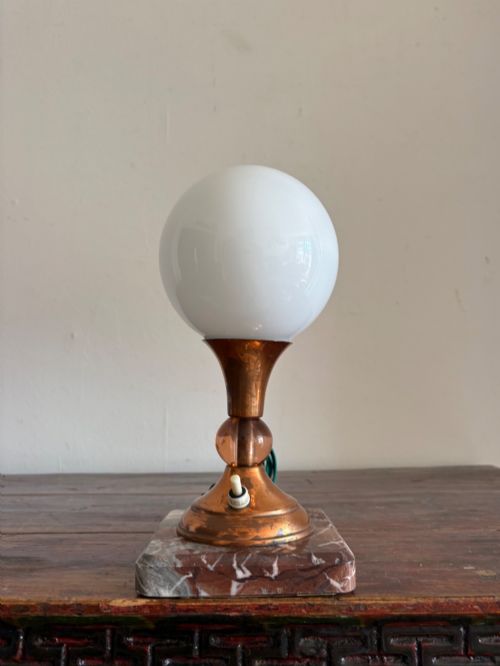
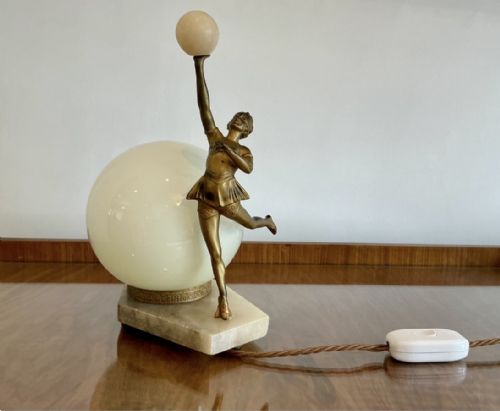
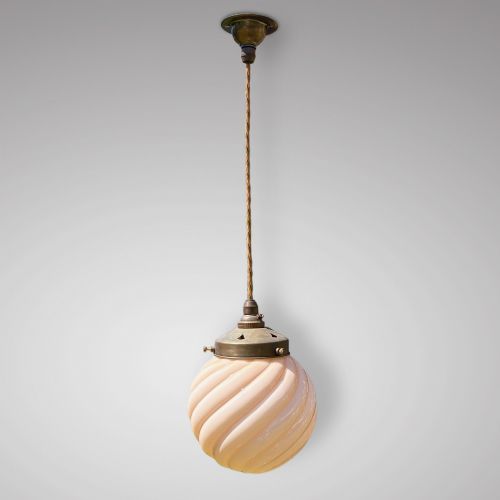
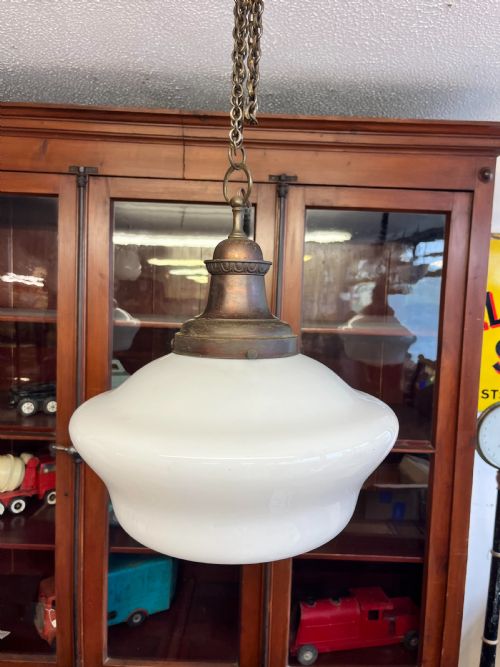
When you search for an opaline globe light, you encounter diverse lighting forms ranging from hanging pendants to converted oil lamps and table designs. The selections span several decades, encompassing Victorian, Edwardian, and Art Deco eras alongside mid-century examples.
The most common formats on this page include French Art Deco hanging pendant lights featuring spherical or half-globe shades. Alongside these pendants, you discover various table lamps, chapel lights, and converted oil lamps incorporating glass globes.
Makers and designers of the past utilised these globes across different settings, from grand halls to domestic rooms. Surviving pieces demonstrate the enduring popularity of milk glass and opaline glass within British and continental interiors.
How they were made
The primary material is opaline glass, sometimes referred to as milk glass, shaped into globes or shades to diffuse illumination evenly. Artisans combined this distinct glass with supportive metal elements such as brass, copper, spelter, and gilt bronze.
Many structural bases and fittings incorporate secondary materials including marble and granite to provide stability for table lamps and pricket designs. Electrical components like fabric flex frequently replace original oil mechanisms during period conversions.
Opaline Globe Light Retail Price Guide 2026
Typical asking prices for opaline globe light among the pieces listed under this phrase on Sellingantiques today, from the lower quarter to the upper quarter. They describe what is for sale here now, not the wider market.
Several lights incorporate maritime or chapel origins, bringing unexpected scale to domestic ceilings.
What varies in quality
The distinction between standard and superior pieces rests on the weight and depth of the opaline glass, together with the finesse of the metal galleries and mounts. Heavier glass displays a richer density of tone when illuminated.
Casting detail on brass, copper, and gilt bronze elements separates ordinary utilitarian fittings from more ambitious decorative examples. Original matched components indicate higher integrity than later assembled alternatives.
Perry & Co·Jefferson
The Opaline Globe Light Glossary
- Opaline glass
- A type of semi-translucent glass that appears milky white or tinted in pastel shades, developed to soften harsh illumination. It scatters light evenly across a room without creating sharp glares.
- Gallery
- The metal ring or collar that grips the top of a glass shade and connects it to the suspension cord or bracket. Galleries are frequently cast in brass or copper.
- Pricket lamp
- A candlestick or lamp style featuring a sharp metal spike upon which the candle or shade seating rests. This form appears on heavier table lamps.
- Spelter
- An alloy primarily composed of zinc, widely utilised as a cheaper alternative to bronze for casting decorative figures and bases. It is often painted or plated to resemble heavier metals.
Opaline Globe Light: Frequently Asked Questions
What is an opaline globe light?
An opaline globe light is a luminaire featuring a rounded shade made from translucent milk glass. This glass diffuses light evenly to create a soft, ambient glow.
Such fixtures appear as hanging pendants, ceiling lights, and table lamps across Victorian and Art Deco periods.
How do I date an opaline globe light?
Dating relies on examining the associated metalwork, wiring methods, and mounting styles. Art Deco examples often feature geometric brass or copper galleries, while Victorian pieces incorporate heavier cast bronze or converted oil burner mechanisms.
Material choices like marble bases and fabric flex also help contextualise the production era.
Were these always electric lights?
Many early examples began as oil lamps or burning lanterns before being adapted for electricity. Edwardian and Victorian pieces frequently show evidence of conversion from oil to electrical wiring.
Later twentieth-century productions were manufactured specifically for electrical illumination from the outset.
Where should I hang a pendant light?
Hanging pendants suit hallways, kitchens, and dining spaces where direct yet softened illumination is required. Large scale globes work effectively as central ceiling fixtures in rooms with adequate clearance.
Smaller half-globe or night light variations fit more compact areas.