



Opal Glass Table Lamp
An opal glass table lamp brings a soft, diffused glow to a room through its milky, translucent shade.
Opal Glass Table Lamp
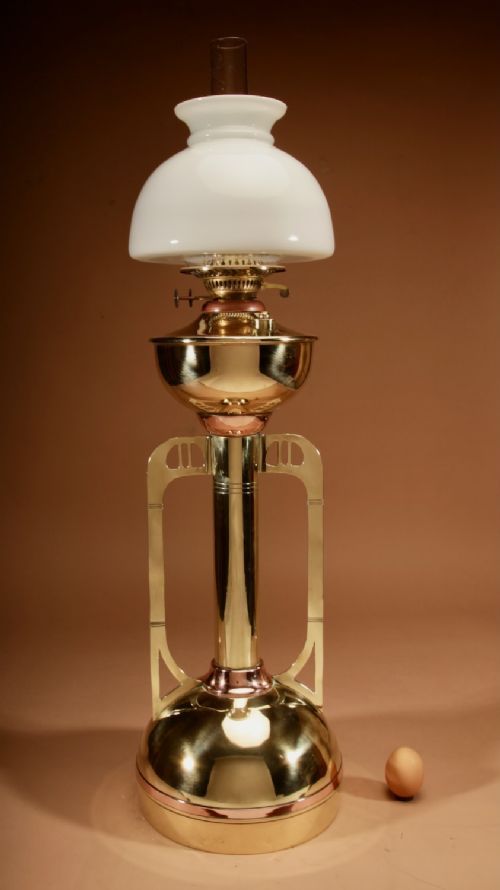
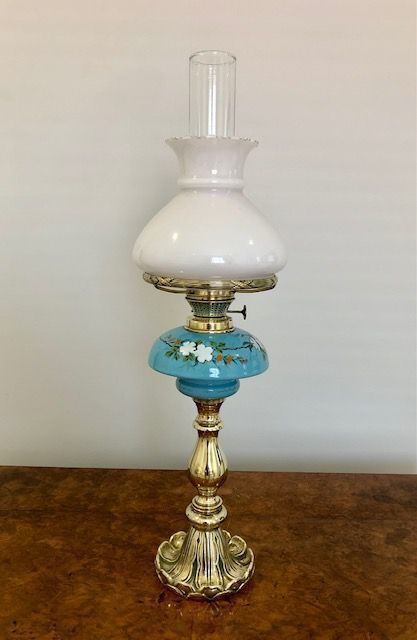
An opal glass table lamp spans functional Victorian oil lamps and electrified twentieth-century designs, featuring milky white or coloured glass elements paired with sturdy metal bases.
The pieces appearing most frequently on this page combine classic Victorian brass or oil lamp forms with later Art Deco chrome and modernist shapes from the early decades of the twentieth century.
Makers and designers from various European schools, including French workshops and Belgian creators like Gustave Serrurier Bovy, shaped these distinctive lighting forms using opaline and opal glass.
How they were made
Glassblowers formed the distinctive translucent shades and columns from opal or opaline glass, sometimes integrating ceramic or metal components for structural stability.
Metalworkers shaped heavy mounts, columns, and burners from brass, copper, chrome, and silver plating, often employing cast ornamentation and architectural column designs.
Conversion from early paraffin oil burning to electricity brought about later twentieth-century wiring alongside switch materials such as bakelite.
Opal Glass Table Lamp Retail Price Guide 2026
Typical asking prices for opal glass table lamp among the pieces listed under this phrase on Sellingantiques today, from the lower quarter to the upper quarter. They describe what is for sale here now, not the wider market.
Some lamps feature athletic figures holding balls or mythological characters like Bacchus, ensuring your desk lighting doubles as a spirited conversation starter.
What varies in quality
Material weight and solidity separate standard utilitarian lighting from finer examples, particularly in the gauge of the brass, copper, or chrome used for the base and mounts.
The distribution of colour and opacity within the glass shade dictates visual refinement, where even density without heavy streaks marks superior manufacture.
Sculptural detail on figural or architectural bases, such as classical column fluting or cast figures like athletes and Bacchus motifs, distinguishes standard pieces from exceptional ones.
Gustave Serrurier Bovy
The Opal Glass Table Lamp Glossary
- Opal glass
- A translucent, milky-white or coloured glass created by adding opacifying agents to the molten batch. It softens harsh bulb glare into an even, ambient glow.
- Opaline glass
- A slightly different French variant of translucent glass, often produced in soft pastel shades. It became immensely popular for nineteenth and early twentieth-century decorative lamps.
- Paraffin lamp
- An earlier lighting device that burned liquid paraffin or kerosene before conversion to electricity. Many surviving examples retain their original brass burners.
- Art Deco
- A prominent design style from the interwar decades characterised by geometric shapes, stylised figures, and modern industrial materials like chrome.
- Victorian
- A nineteenth-century period associated with ornate oil lamps featuring heavy brass mountings, coloured glass shades, and classical revival motifs.
Opal Glass Table Lamp: Frequently Asked Questions
Are these lamps converted from old oil lamps?
Many of the Victorian examples began life as paraffin or oil lamps before later conversion to electrical wiring.
Other twentieth-century pieces were manufactured specifically as electric lights from the outset.
How do I clean an opal glass shade?
Gentle washing with warm soapy water removes dust and surface grime without harming the delicate glass surface.
Avoid abrasive cloths or harsh chemical cleaners that can scratch vintage metal mounts or dull the glass.
What is the difference between opal and opaline glass?
Opal glass generally refers to dense, milky-white translucent glass used for functional light diffusion.
Opaline glass often encompasses French decorative wares produced in various soft pastel colours and white tones.
How can I tell Art Deco from Victorian lamps?
Victorian pieces typically display heavy brass, floral motifs, and oil lamp reservoirs.
Art Deco lamps favour streamlined chrome, geometric lines, and stylised figural elements.