

Omega Automatic
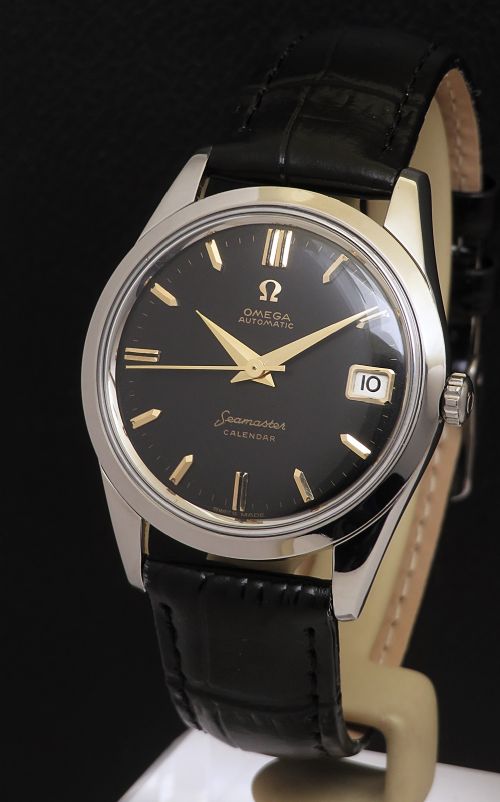
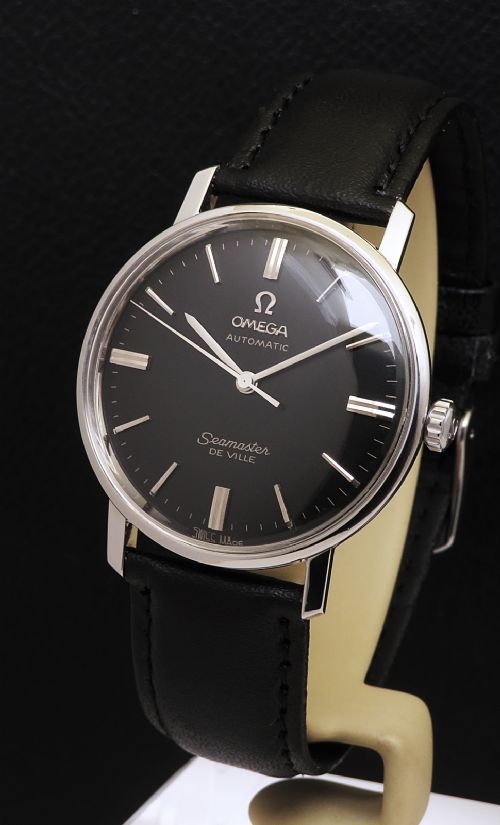
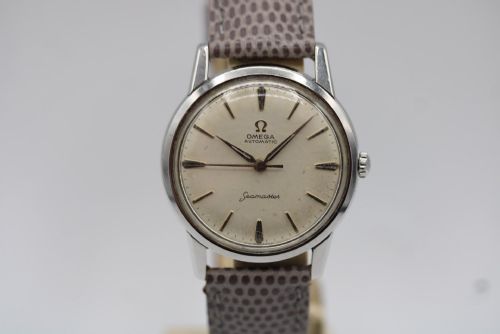
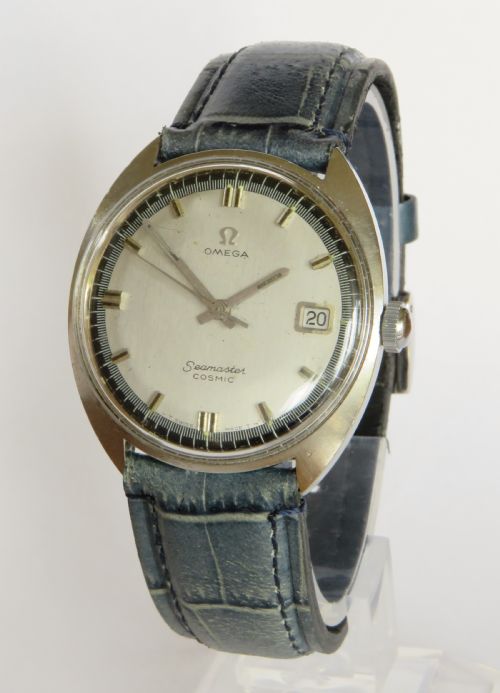
These omega automatic wristwatches from the mid-century decades offer precision Swiss engineering housed in classic steel and gold forms.
Omega Automatic
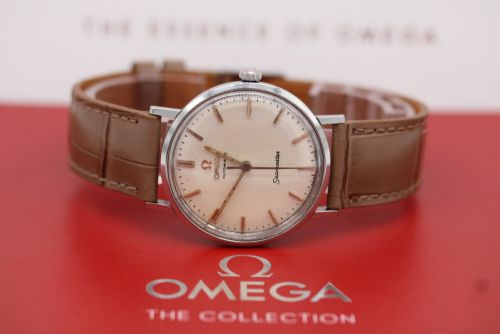
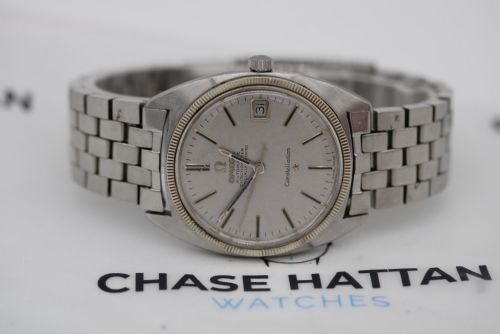
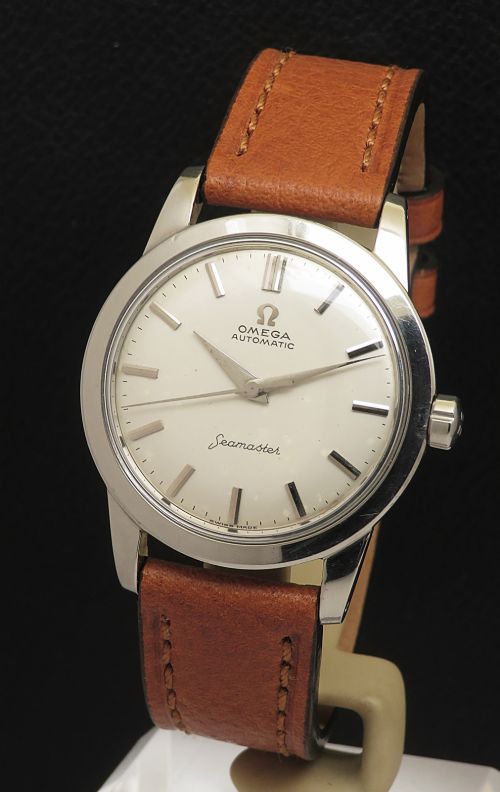
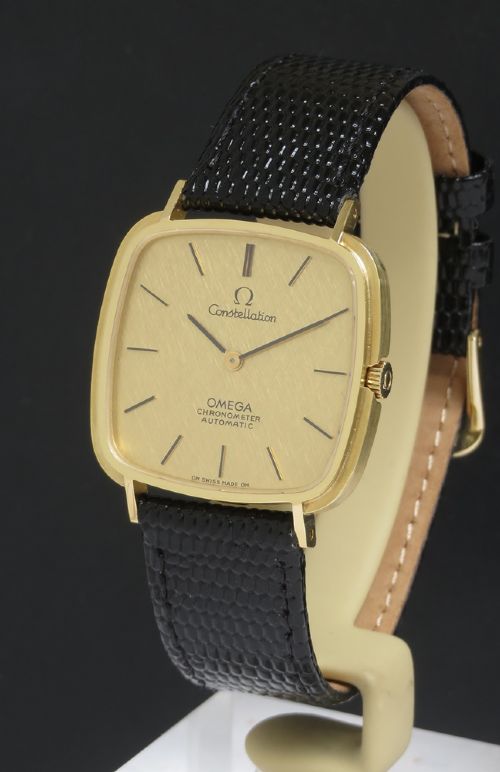
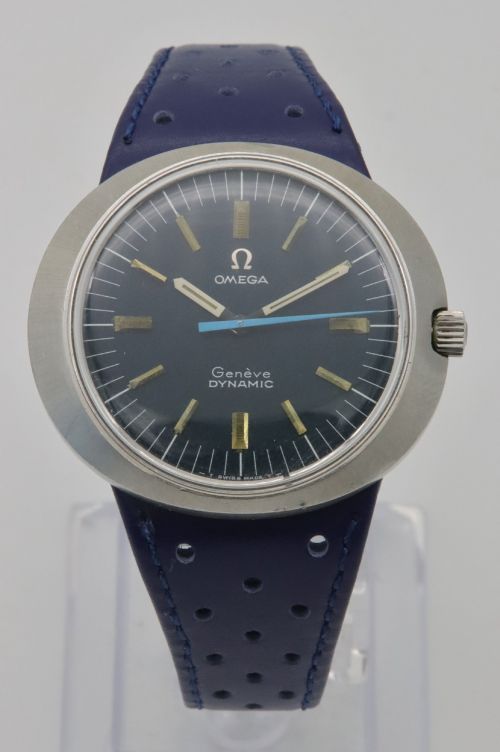
An omega automatic wristwatch represents a mid-century mechanical timepiece driven by the movement of the wearer's wrist rather than manual winding. These pieces span the 1950 and 1960 periods, capturing the evolution of post-war horology through iconic lines like the Seamaster, Constellation, and Geneve.
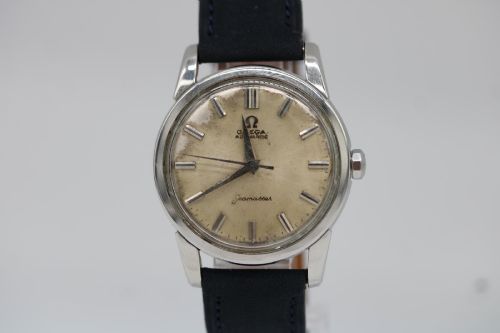
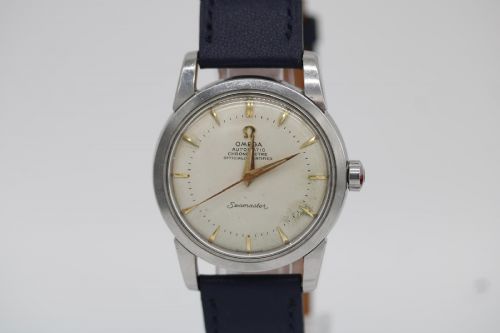
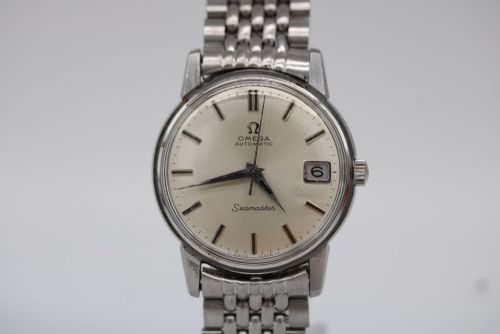
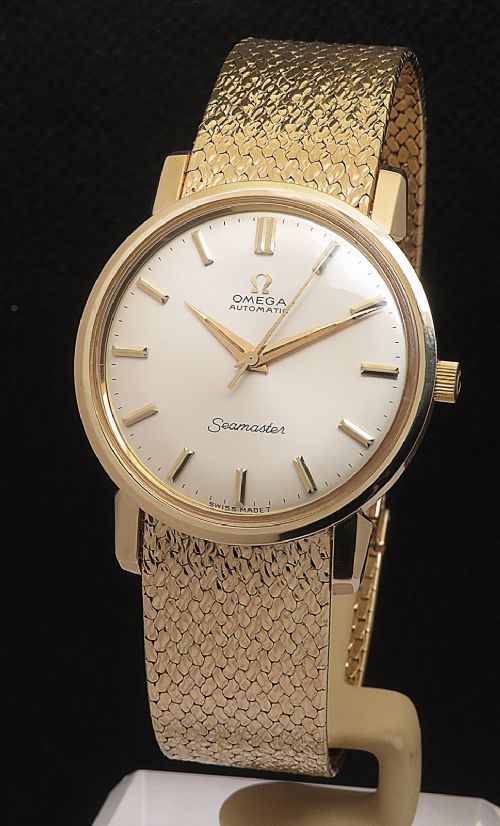
The version most commonly met on this page is the mid-century Seamaster wristwatch, appearing in forms ranging from robust stainless steel to solid 9ct and 18ct gold cases. Dials vary from clean minimalist layouts to textured honeycomb finishes, often paired with leather straps.
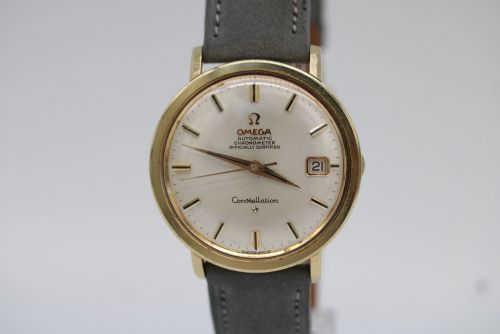
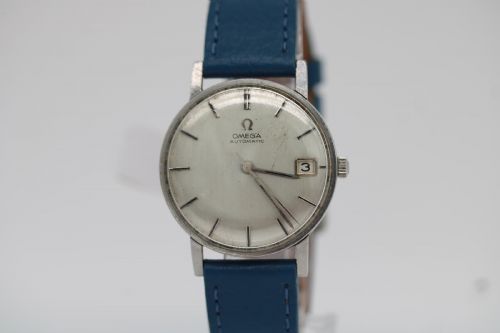
Collectors encounter specific sub-categories such as the calendar models, date displays, and chronometer-certified deluxe editions. The overarching style reflects Mid-Century Modern design aesthetics, balancing functional readability with refined elegance.
Materials and Construction
Cases utilise a combination of metals including stainless steel, gold plate, gold-filled layers, and solid 9ct or 18ct gold. Crystal covers protect the dial surfaces, employing both standard glass and acrylic glass configurations.
Internal movements rely on sophisticated automatic calibres, including early bumper automatic mechanisms that gently swing to wind the mainspring, alongside later rotor-based systems. Dials feature applied metal markers, intricate patination, and specialised textures like the honeycomb pattern.
Omega Automatic Retail Price Guide 2026
Typical asking prices for omega automatic among the pieces listed under this phrase on Sellingantiques today, from the lower quarter to the upper quarter. They describe what is for sale here now, not the wider market.
Listings span the 1950 and 1960 periods, predominantly featuring stainless steel, gold-plated, and solid 9ct or 18ct gold wristwatch forms.
Determinants of Quality
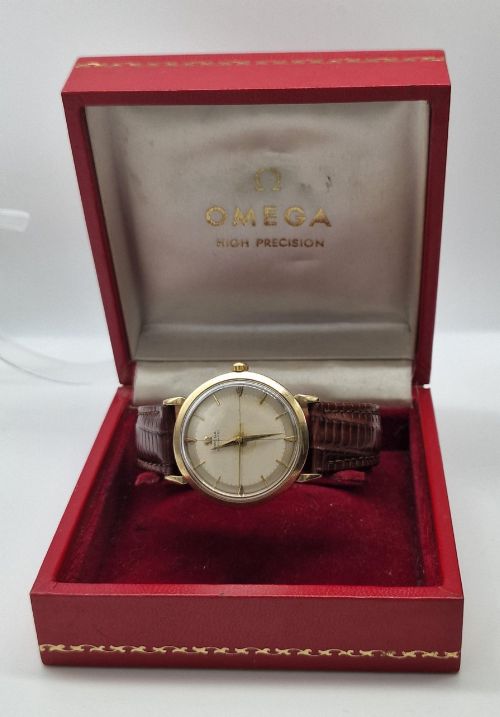
The calibre of metal used in the case construction dictates the primary tier, moving from gold-plated and steel variants up to heavy solid 18ct gold cases. Weight, hallmark clarity, and the presence of original boxes and papers elevate certain examples.
The integrity of the dial and the preservation of the movement separate standard production models from chronometer-grade pieces. Originality of components and professional restoration history govern the standing of each watch.
Omega
The Omega Automatic Glossary
- Bumper automatic
- An early self-winding movement where the rotor swings back and forth within a limited arc, striking internal springs that the wearer feels on the wrist. This mechanical approach defines many watches from the 1950 period.
- Chronometer
- A high-precision watch that has passed rigorous accuracy tests conducted by an official Swiss testing organisation. Such pieces often feature on deluxe models like the Constellation.
- Calibre
- The specific manufacturer's designation for the internal movement mechanism. Knowing the calibre number helps identify the exact period and technical specification of the watch.
- Honeycomb dial
- A decorative textured dial surface resembling the hexagonal structure of a bee's comb. This finish adds depth and visual interest to mid-century watch faces.
- Gold-plated
- A method where a thin layer of gold is bonded to a base metal core. It provides the appearance of solid gold at a different level of manufacture.
Omega Automatic: Frequently Asked Questions
What is a bumper automatic movement?
A bumper automatic utilises an oscillating weight that swings back and forth rather than rotating in a full circle, creating a distinct physical tap against internal springs as it winds.
This early self-winding technology was widely utilised during the 1950 period before full rotor mechanisms became standard.
How do I care for a vintage watch?
These mechanical timepieces require gentle handling, protection from moisture, and regular servicing by a qualified horologist to keep the internal gears functioning smoothly.
Avoid exposing older leather straps and acrylic glass to excessive water or extreme temperatures to preserve their original condition.
What distinguishes a Seamaster from a Geneve?
The Seamaster line originally focused on water-resistant sports and utility watches, whereas the Geneve collection typically offered refined dress watch aesthetics.
Both series share high-grade automatic movements, but their case designs and dial layouts reflect different intended uses.
How are gold cases marked?
Solid gold cases feature official hallmarks stamped into the metal, indicating the purity standard such as 9ct or 18ct gold.
Gold-plated and gold-filled versions use stamps or text references to denote the metal composition and thickness of the exterior gold layer.