



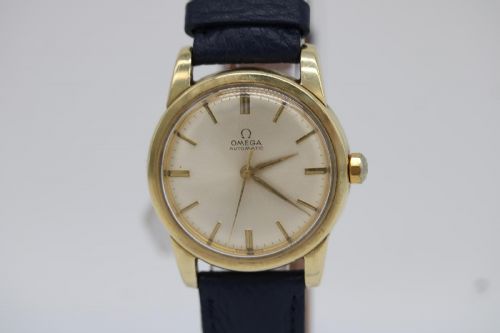
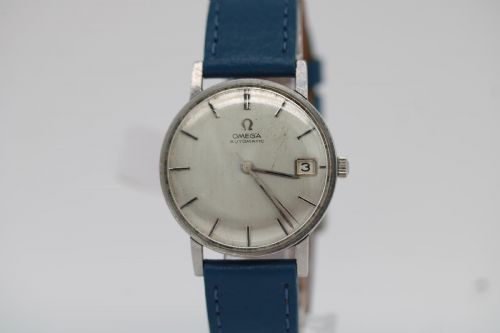
Omega Automatic Timepiece
An omega automatic timepiece offers mid-century mechanical precision and enduring design, making it a reliable daily wear for the discerning collector.
Omega Automatic Timepiece
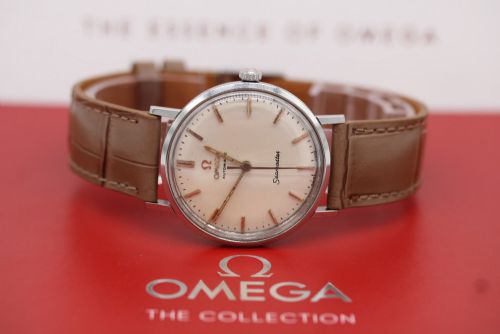
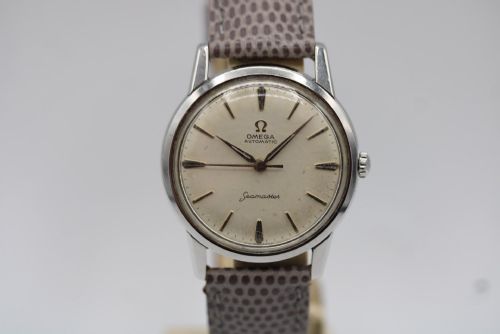
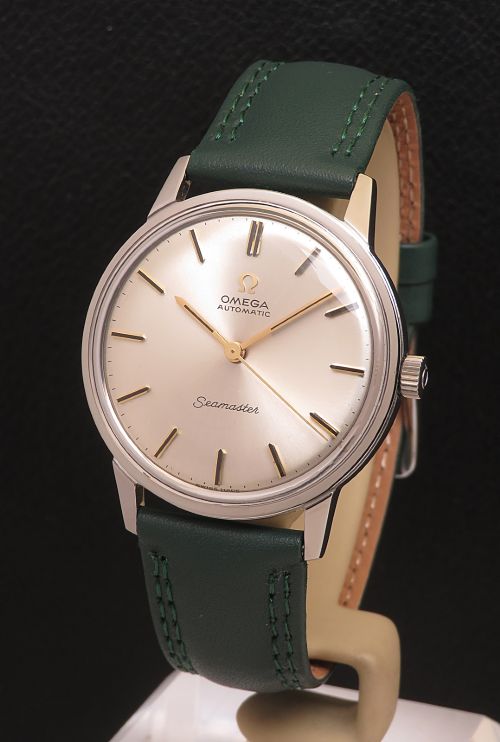
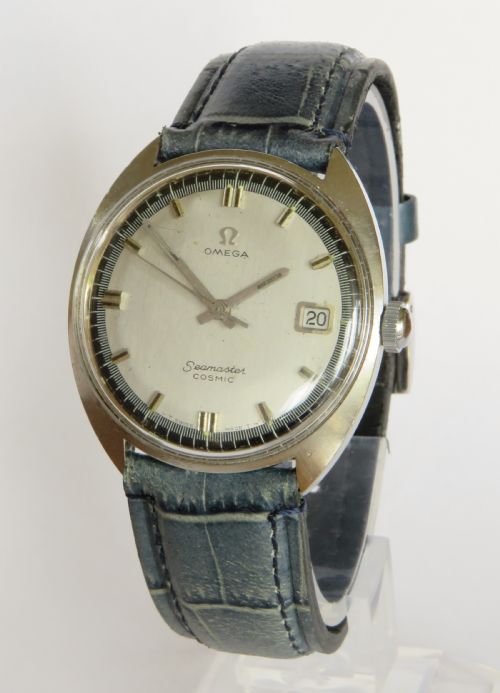
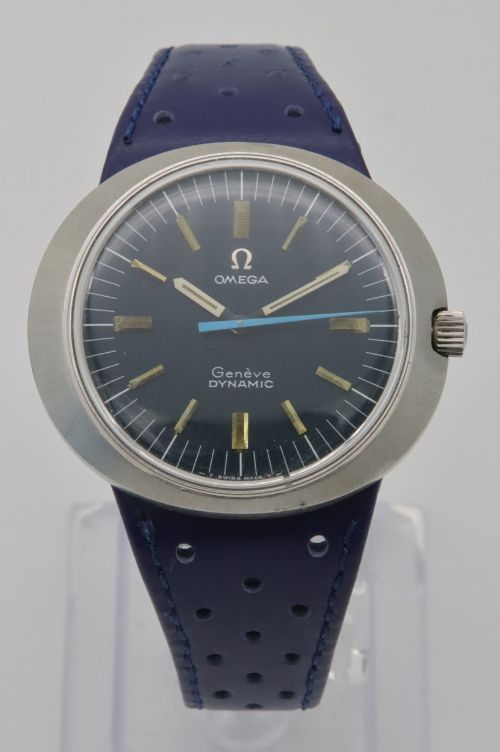
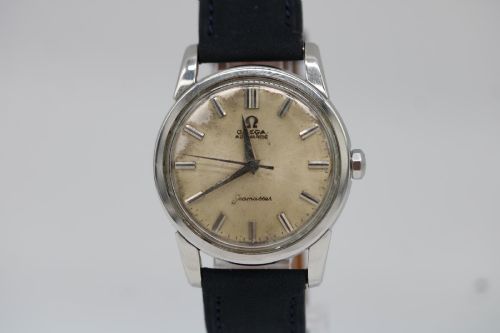
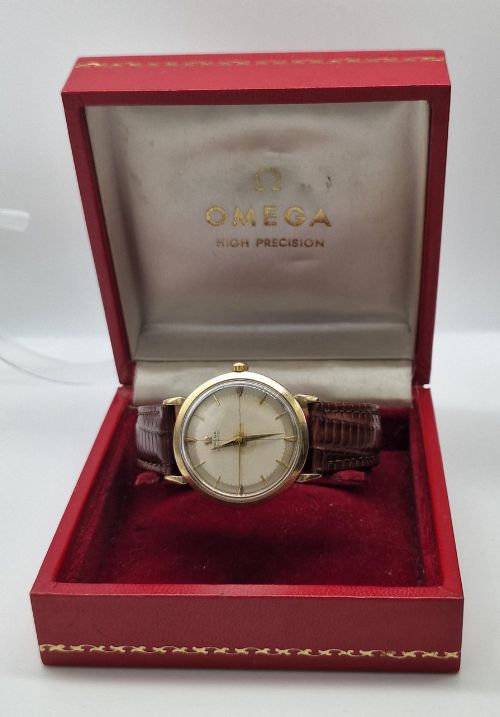
An omega automatic timepiece is a mechanical wristwatch driven by the movement of the wearer's wrist rather than manual winding. The pieces available here primarily date from the nineteen-fifties and nineteen-sixties, representing a definitive era of mid-century modern horology.
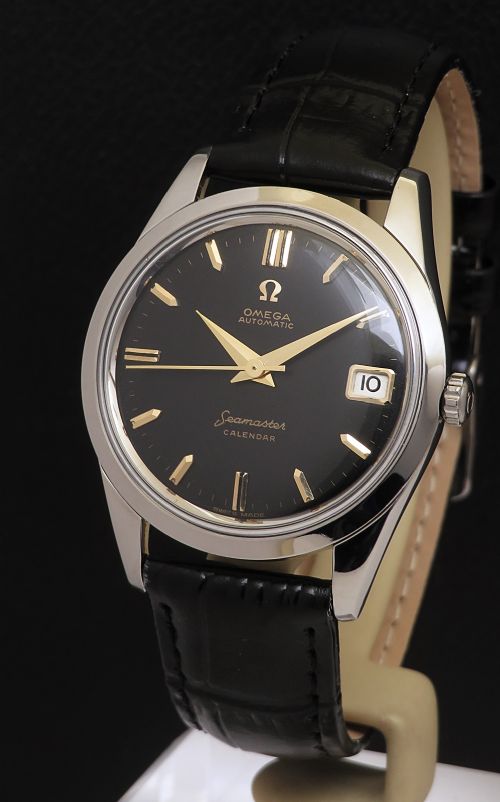
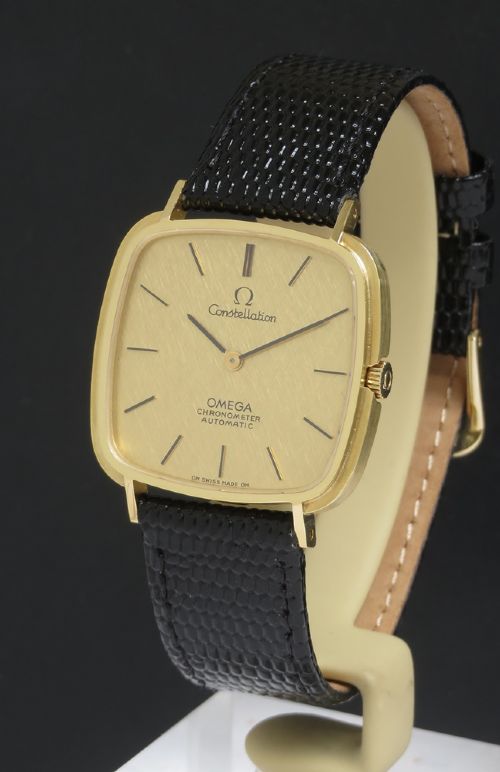
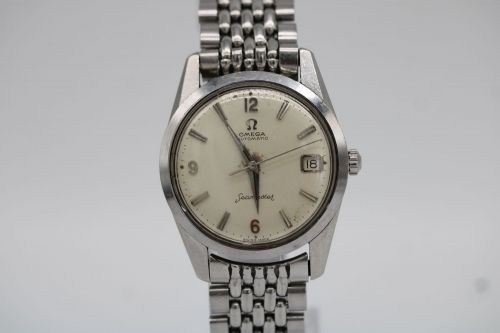
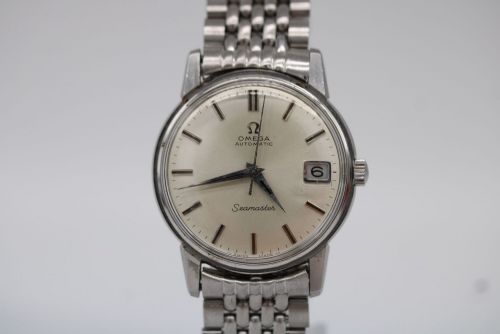
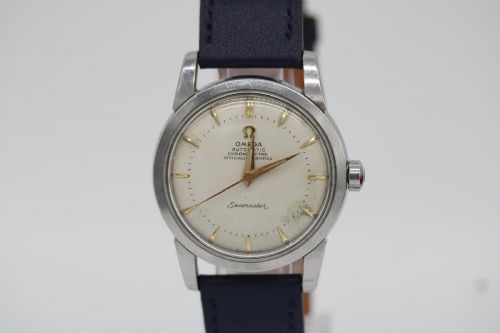
Buyers encounter iconic families such as the Seamaster, Geneve, Constellation, and DeVille. These wristwatches appear in stainless steel, gold plated finishes, solid nine-carat gold, and solid eighteen-carat gold.
The forms span dress watches and robust chronometers, often fitted with leather straps and protected by acrylic or acrylic glass. Each omega automatic timepiece reflects the distinct styling codes of nineteen-sixty and nineteen-fifty design.
How they were made
The construction of an omega automatic timepiece relies on precision metalworking, utilising stainless steel alongside solid nine-carat and eighteen-carat gold for the cases. Movements inside these watches employ mechanical self-winding mechanisms, including early bumper systems and later full-rotor calibres.
Dials feature applied markers, honeycomb textures, and patinated finishes, enclosed by fitted glass or acrylic crystals. Straps are typically fashioned from leather, completing the traditional assembly of the era.
Omega Automatic Timepiece Retail Price Guide 2026
Typical asking prices for omega automatic timepiece among the pieces listed under this phrase on Sellingantiques today, from the lower quarter to the upper quarter. They describe what is for sale here now, not the wider market.
Listings span nineteen-fifty to nineteen-sixty, featuring stainless steel, nine-carat gold, and eighteen-carat gold cases.
What varies in quality
The distinction between tiers of an omega automatic timepiece rests on the preciousness of the case metal and the preservation of original components. Solid gold variants and chronometer-grade movements sit at the upper end of the scale, contrasted with gold-plated or standard steel models.
Originality of the dial and case finish further defines the standing of an omega automatic timepiece. Untouched examples with distinct textures or original boxes retain a higher degree of historical integrity compared to heavily restored pieces.
Omega
The Omega Automatic Timepiece Glossary
- Automatic
- A self-winding mechanical movement that uses a rotating weight to tension the mainspring as the wearer moves. This system removes the need for daily manual winding.
- Chronometer
- A high-precision watch that has been tested and certified to meet strict accuracy standards over several positions and temperatures. These movements represent the upper tier of mechanical performance.
- Calibre
- The specific internal mechanical movement manufactured to drive the watch hands and complications. Each movement design carries a numerical reference designation.
- Bumper movement
- An early type of automatic winding mechanism where the weighted rotor swings back and forth within a limited arc, cushioned by springs. This creates a distinct physical pulse felt on the wrist.
- Honeycomb dial
- A textured dial face featuring a raised grid pattern resembling a honeycomb. This decorative finish adds depth and complexity to the watch face.
Omega Automatic Timepiece: Frequently Asked Questions
How do I wind an automatic watch?
An automatic watch winds itself through the natural motion of your wrist during daily wear. If the watch has stopped completely, you can give the crown a few manual turns to jump-start the movement before putting it on.
Once the watch is on your wrist, the internal rotor continues to tension the mainspring automatically. Regular daily wear keeps the mechanism running without further intervention.
What is the difference between Seamaster and Geneve?
The Seamaster line originated as a water-resistant sports and utility watch, evolving into a diverse range of robust everyday models. These pieces often feature heavier case construction and distinct bezel designs.
In contrast, the Geneve range typically encompasses dressier, understated wristwatches intended for formal or daily wear. Both lines share the same high-grade automatic movements but serve different aesthetic preferences.
Can I wear my vintage watch daily?
These vintage timepieces are built with robust mechanical movements suited for regular use. Many owners wear them daily as a reliable and stylish accessory.
However, because these watches date from the mid-century, they lack modern water resistance seals. It is wise to keep them away from water and heavy impacts to preserve their mechanical health.