

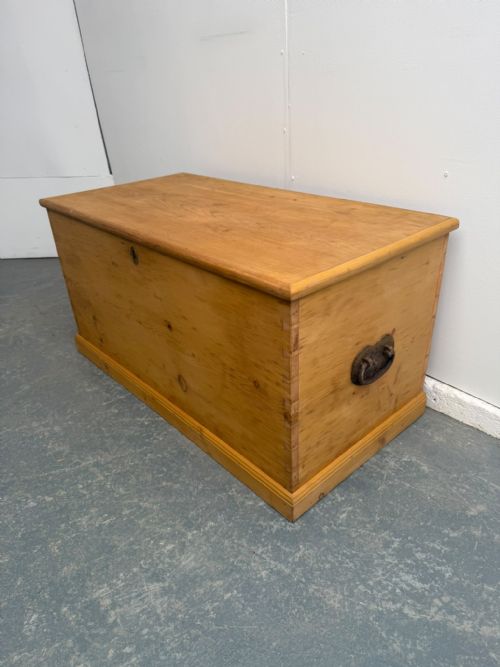
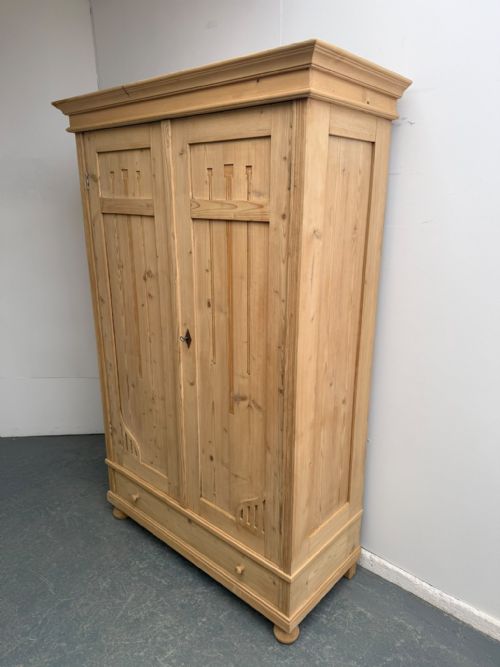
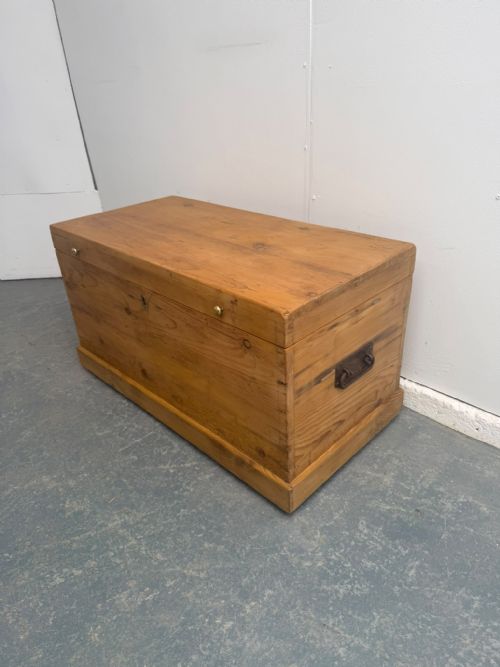
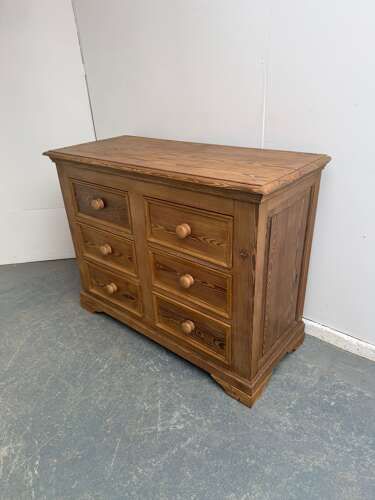




Old Wooden Storage
Old wooden storage encompasses functional timber furnishings from various past eras designed to hold household goods.
Old Wooden Storage
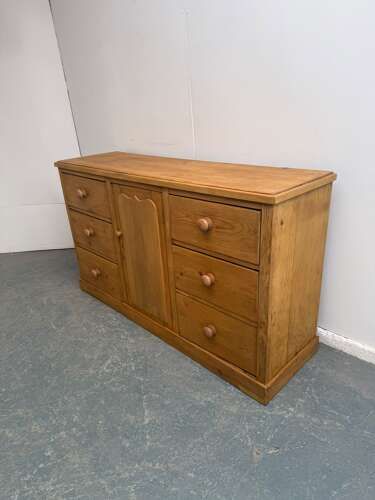
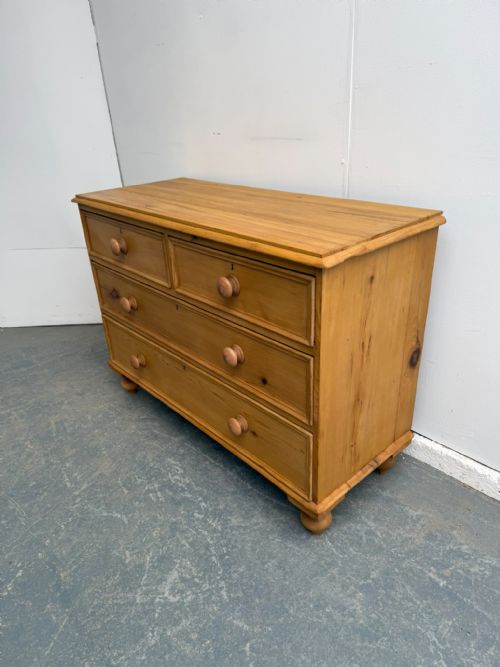
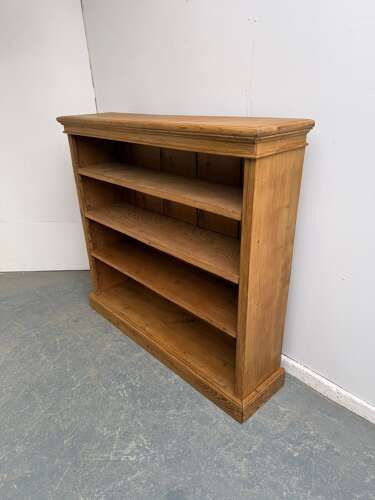
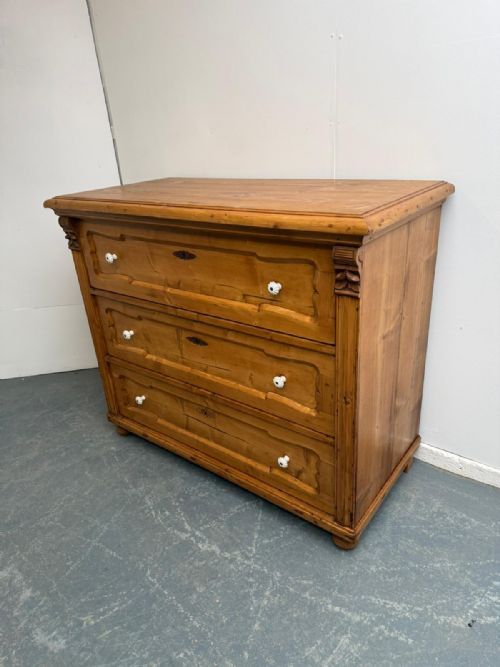
Old wooden storage items span several historical periods including Georgian, Regency, Victorian, and early twentieth-century eras like nineteen-ten and nineteen-hundred. Buyers browsing this selection will find robust pieces designed for utility, ranging from multi-drawer chests to substantial wardrobes and linen presses.
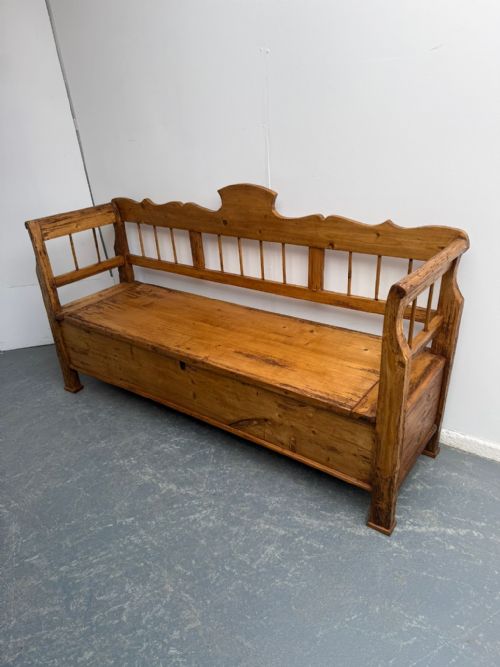
Seating with integrated storage also appears frequently, including box settles and benches designed with hinged lids. These items combine everyday domestic seating with concealed compartments for household items.
How they were made
Construction relies predominantly on solid pine timbers, often worked by hand into substantial panels, frames, and drawers. Joinery methods suit utilitarian furniture, allowing items like large wardrobes and knockdown cupboards to be assembled and disassembled.
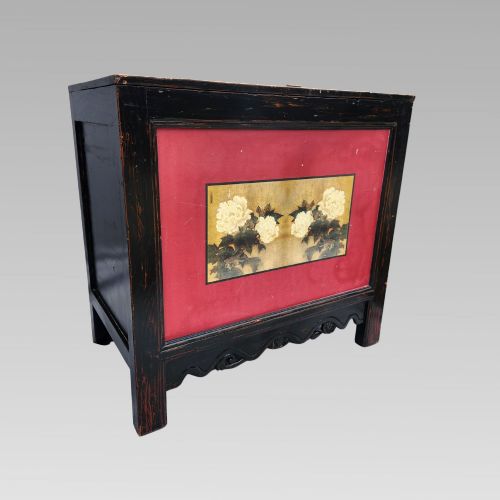
Surface treatments vary between clear wax finishes that highlight the natural grain and historic painted coats in grey, black, or other colours. Iron and brass hardware such as hinges, handles, and locks provide functional reinforcement to lids and doors.
Old Wooden Storage Retail Price Guide 2026
Typical asking prices for old wooden storage among the pieces listed under this phrase on Sellingantiques today, from the lower quarter to the upper quarter. They describe what is for sale here now, not the wider market.
One stubborn Hungarian box still carries the ghost of an early grey coat beneath generations of wax.
What varies in quality
Design complexity and scale separate standard utilitarian boxes from finer architectural pieces like multi-piece linen presses and panelled wardrobes. The integrity of original surface treatments, whether aged wax or historic paint layers, significantly influences the character of a piece.
Proportion and regional carpentry distinguish standard domestic items from substantial Hungarian and English country furniture. Original hardware, intact internal shelving, and functional locking mechanisms elevate the standing of individual items.
The Old Wooden Storage Glossary
- Mule chest
- A traditional storage chest featuring one or more drawers built into the base beneath the main compartment. This form bridges the gap between a simple blanket chest and a chest of drawers.
- Linen press
- A tall cupboard traditionally used for storing textiles, typically featuring upper shelving enclosed by doors and lower drawers. Larger examples are often constructed in two separate modular sections.
- Box settle
- A wooden bench featuring a high back and a concealed storage compartment beneath the hinged seat. These items served multiple domestic functions in traditional hallways and kitchens.
- Knockdown wardrobe
- A large wardrobe designed with pegged or bolted joints that allow the entire structure to be disassembled for transport. This technique was essential for moving bulky furniture between rooms or properties.
Old Wooden Storage: Frequently Asked Questions
What periods do these pieces date from?
The selection includes items originating from the Georgian and Regency periods, alongside numerous Victorian examples. Twentieth-century pieces from nineteen-hundred and nineteen-ten also feature.
Specific stylistic influences range from classical English designs to European country and arts and crafts traditions.
Which timber is most common?
Solid pine is the primary material used across the vast majority of these chests, cupboards, and wardrobes. It was favoured for its strength and availability in domestic workshop production.
Secondary materials include iron and brass for structural hardware, alongside historic layers of paint or wax.
How were box settles used?
Box settles served as dual-purpose seating and concealment for household goods in historical homes. The high timber backs protected occupants from draughts while the internal compartment held blankets or clothing.
They were placed in hallways, kitchens, and living spaces for everyday accessibility.
Are finishes original?
Surfaces include both traditional clear wax finishes and historic painted treatments in colours such as grey and black. Many pieces retain their original patination acquired through decades of domestic use.
Some items are listed in bare timber or with instructions indicating they can be waxed or painted to suit modern interiors.