


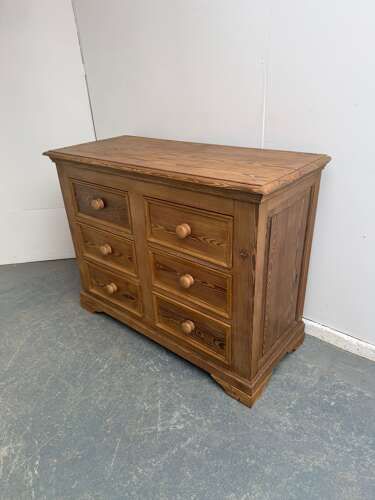


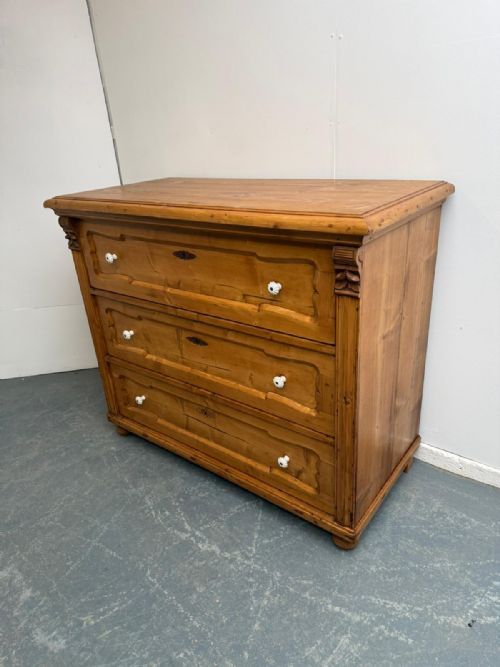

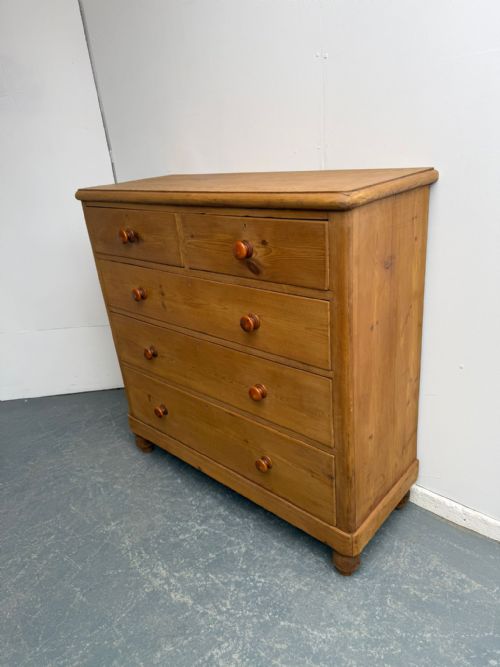


Old Wooden Storage Chest
An old wooden storage chest provides robust utility, coming to you in solid pine, oak, and painted finishes from the Georgian and Victorian eras.
Old Wooden Storage Chest
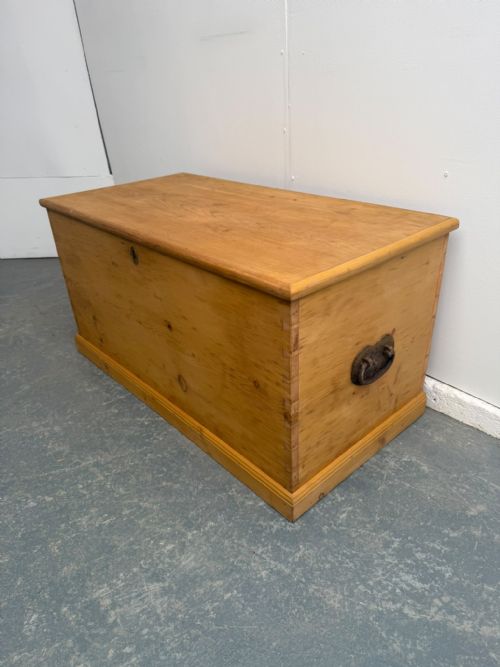
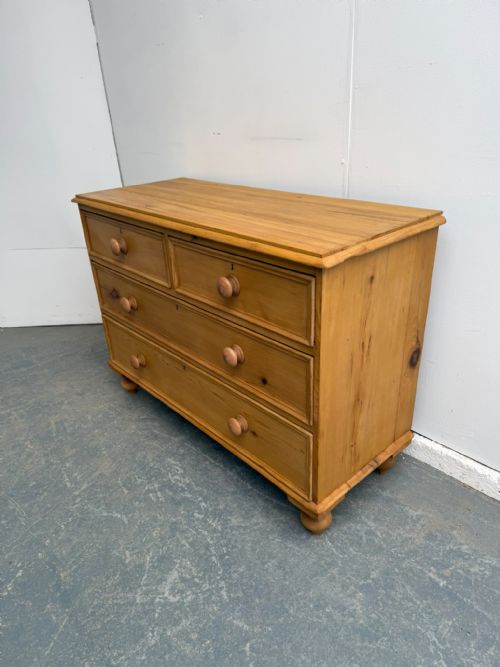
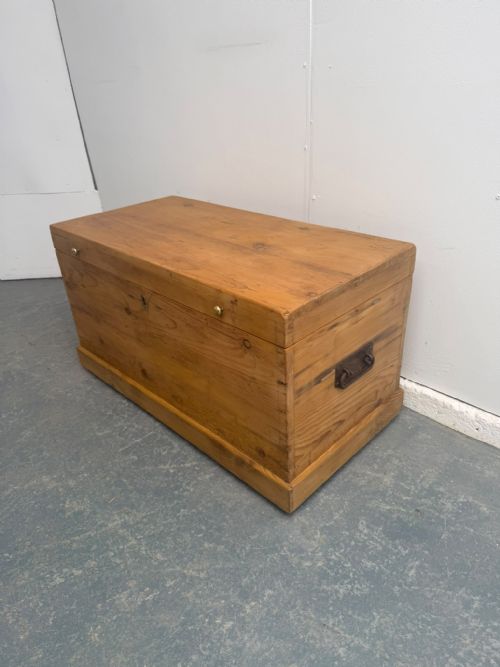
An old wooden storage chest spans several forms including mule chests, blanket boxes, dome top trunks, and multi-drawer chests of drawers from the Victorian and Georgian periods. These pieces serve as practical household furniture designed originally for linen, garments, and general domestic possessions.
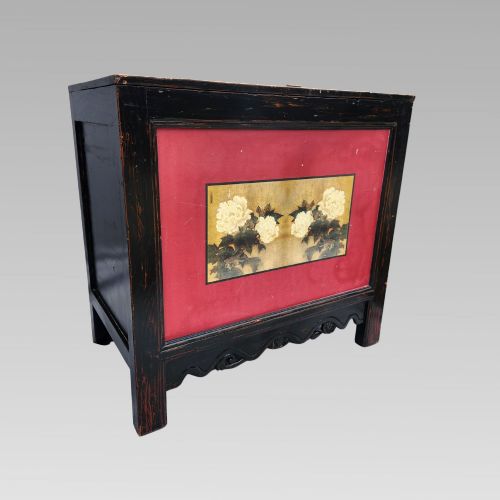
Pine is the predominant timber found in these listings, appearing alongside oak and incorporating iron and brass hardware. Pieces originate from English, Irish, Hungarian, and Chinese workshops, displaying styles from traditional country to folk art and chinoiserie.
The most common formats on this page are sturdy pine drawer chests and lidded boxes finished with wax, paint, or natural wood surfaces. Buyers select them for functional bedroom and living space storage that carries centuries of domestic history.
How they were made
Construction relies heavily on solid pine and oak, joined by hand to form durable boxes, mule chests, and drawer carcasses. Timber thickness provides the structural strength required for heavy household storage.
Hardware elements in iron and brass function as hinges, handles, and locks on lids and drawers. Surface finishes involve traditional wax applications to nourish the grain or original paintwork reflecting folk art traditions.
Old Wooden Storage Chest Retail Price Guide 2026
Typical asking prices for old wooden storage chest among the pieces listed under this phrase on Sellingantiques today, from the lower quarter to the upper quarter. They describe what is for sale here now, not the wider market.
Materials documented across the inventory include solid pine, oak, iron, brass, ceramic, and original paint and wax finishes.
What varies in quality
Quality depends on the integrity of the timber construction and the survival of original surface treatments such as early paint or warm wax patination. Retaining original brass or iron hardware elevates a piece above standard utility items.
The Old Wooden Storage Chest Glossary
- Mule chest
- A traditional storage chest featuring one or more drawers beneath the main lidded compartment. This form bridges the gap between the trunk and the modern chest of drawers.
- Blanket box
- A large lidded chest historically used for storing bedding and textiles. These pieces often feature simple hinged tops and solid wooden construction.
- Linen press
- A tall piece of furniture combining upper storage doors with lower drawers for linen. Victorian examples often divide into two separable sections for transport.
- Collectors chest
- A specialised cabinet fitted with multiple shallow drawers designed for organising small specimens or items. They offer refined drawer construction and compact proportions.
- Chinoiserie
- European decorative style reflecting Chinese artistic motifs. Pieces often feature black lacquer grounds and painted floral scenes.
Old Wooden Storage Chest: Frequently Asked Questions
What is the difference between a trunk and a chest?
A trunk generally refers to a lidded box designed for travel or heavy storage, often featuring a dome top for water runoff. A chest is typically a stationary household furniture piece with a flat top or multiple internal drawers.
Trunks rely on sturdy exterior handles and iron or brass hardware for transport, whereas chests focus on domestic integration and drawer accessibility within rooms.
How were old pine chests finished?
Many pine pieces receive a traditional wax coating that deepens the tone of the wood and highlights the natural grain over decades of handling. Other examples retain their original paint finish, particularly pieces originating from Hungarian folk art traditions.
Surface treatments vary from simple scrubbed pine to rich dark wax or decorative folk painting applied during the Georgian and Victorian periods.
Can I use a chest as a coffee table?
Low and wide chests or lidded boxes function effectively as coffee tables while providing hidden interior storage for living room items. Their sturdy wooden construction easily supports everyday items placed on top.
Buyers often select low proportions specifically to combine surface utility with practical blanket or linen storage in modern reception rooms.
How do I date an antique wooden chest?
Dating relies on construction methods, timber choice, hardware styles, and stylistic markers associated with periods like the Georgian or Victorian eras. Dovetail joints, handmade fixings, and original painted decoration provide key chronological indicators.
Documentation of regional variations, such as Chinese lacquer work or Hungarian folk art, further helps place pieces within specific historical decades.